Fruits
University Extension experts give an update of the destruction, potential for smoke taint in wine.
Researchers find ‘organic’ and ‘non-GM’ terms are thought as one in the same.
Biological control — whether you’re talking about biochemicals, microbial products, beneficials, or even the relatively new category of […]
New hire to help guide company’s new growth.
Looming La Niña could mean colder and wetter than normal in the northern U.S. and drier than usual in the south.
Four-legged customs agents are the first line of defense in protecting the crops you grow against the next invasive pest finding its way into the U.S.
It’s an opportunity to fine-tune your operation and maximize profits, but it also brings obligations.
With billions of dollars lost to Irma, financial assistance will be crucial for many.
California Land Use Viewer can help growers determine if they can adopt groundwater recharge practices on their own operations.
Use cool tools to find out how your production methods may change in the future, how much your area is at risk, and how to limit your own impact on the climate.
Operators in designated counties eligible for emergency assistance.
Honor was presented during society’s annual meeting.
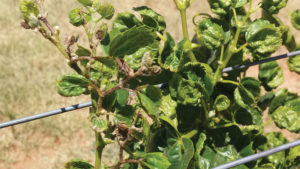
With reports of dicamba injuries in tomatoes, peaches, grapes, and other crops, the agency works to reduce the impact of spray drift on vulnerable crops.

Grapple herbicide works on pre- and post-emergent weeds in orchards and vineyards.
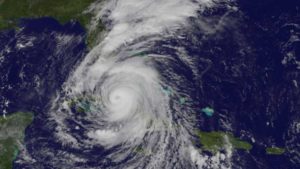
Report says storm dropped enough gallons of water on Florida’s St. Johns River Water Management District to swamp 6.7 million football fields.
SCRI grants to total $48 million for 2018 fiscal year.
Gallo will contribute $1 million to fire recovery effort and will match employee donations two-for-one.
California Gov. Jerry Brown declares state of emergency for northern counties impacted by flames.
Striking images from the field reveal not only the storm’s destructive nature, but also paths to recovery and reconstruction.