Fruits
The California Association of Winegrape Growers (CAWG) has elected five new officers and three new members to its […]
After two consecutive harsh winters, grapevine freeze protection is top of mind for many Eastern and Midwestern growers. […]
Contribution is part of a five-year pledge to support research at the Center for Produce Safety.
There are many factors to get right in order to deliver a delicious peach.
An old tradition gone by the wayside is new again when it comes to vineyard winterization in the Great Lakes region.
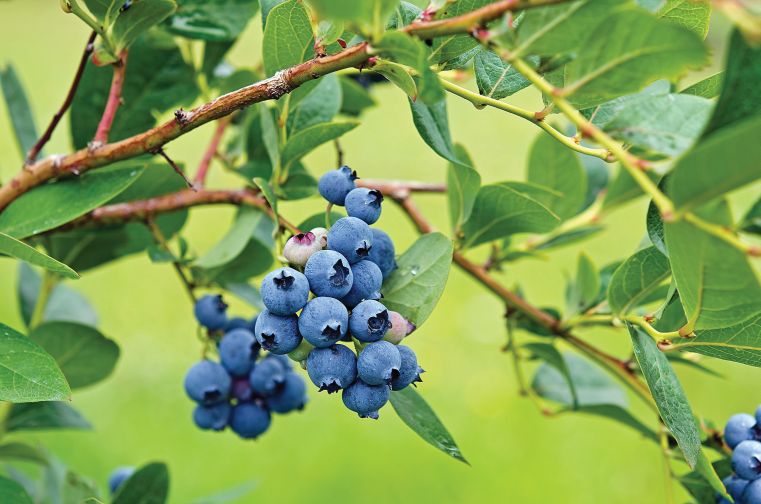
Removing old blueberry pruning stumps will help you extend the life of your berry plantings and hopefully make your job a little easier.
Whether you’re at the dusk or dawn of your career in agriculture, it’s important to pay attention to the Young Growers Success Act.
New technology developed at Washington State University can help growers access in-demand rootstocks.
The product is USDA certified organic and is expected to be used in commercial flumes and rinse tanks that wash fresh produce.
These days, far too often, elected representatives of the people are abdicating their responsibilities to federal agencies. The result is rules like WOTUS.
Grants awarded to California State University, Fresno for sanitizing research and consumer education.
Bud dissection can help growers predict yield variation and adjust the number of spurs left when pruning. Buds […]
Plant scientists have discovered an enzyme that appears to play a big role in the leaf scorch that accompanies Pierce’s disease. The discovery could lead to new tools to combat the disease.
NASA, NOAA analyses reveal record-shattering statistics regarding global temperatures this past year.
UF/IFAS study confirms how paying attention to the 10-day forecast can affect a farmer’s bottom line.
Crops include stone fruit, pome fruit, grapes, tree nuts, and olives.
Trees in dormancy have a specific chilling requirement to meet.
Notorious wood borer hitched a ride in a container of cucumbers arriving from Costa Rica.
Following monthly samplings, survey finds more than 99% of products sampled fall below EPA tolerances for pesticide residues.