Fruits
Since its establishment in 1963, IR-4 has championed specialty crop growers by facilitating the registration of safe, effective pest management solutions to meet their unique needs.
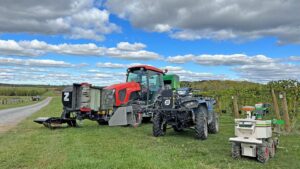
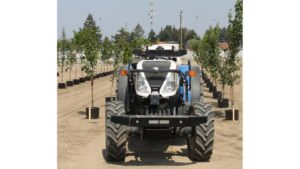
Vision-guided spraying fares well against grape suckers; herbicide use diminished.
USDA-APHIS is applying safeguarding measures and restrictions on the interstate movement of regulated plants and produce.
The current extension of the 2018 Farm Bill aside, American Farm Bureau Federation is urging new and more modern legislation be created now.
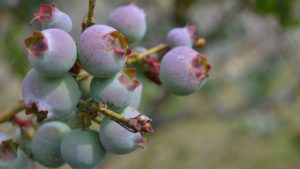
Learn how a $3.95 million grant from USDA is being used to develop effective management strategies for blueberry fruit rot.
Double A Vineyards looks in all directions from New York state to supply growers with disease-resistant, clean plants.
Two new studies can help Central California Coast growers estimate costs and potential returns for organic and conventional apples for processing.
While there is no simple solution to improving uptake of the nutrient, ‘Honeycrisp’ growers have various options.
Labor, weather, crop protection, and interest rate challenges aside, there are exciting opportunities for specialty crop producers to capitalize and expand.

What started out as a novel experiment to help protect young trees from the Asian citrus psyllid is proving fruitful.
Scientists predict it’s nearly a sure thing that a new bar will be raised for average global temperatures.
Growers who’ve scoffed at the idea of using robots in the field in the past need to take a fresh look.
New genetic finding could help make a whole new marketing window for blueberries in the Sunshine State come to fruition.
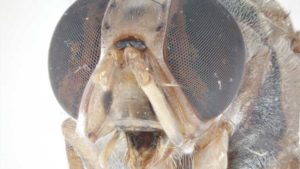
Recent finds involving multiple species of the flying pest have sparked seven different quarantines across the state.
Breeders of table and raisin grapes in California’s San Joaquin Valley saluted for their terrific varieties.
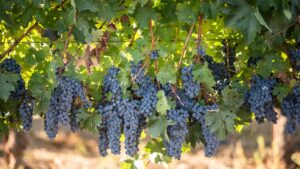
Despite getting a late jump on harvest, wine grape growers are expecting a vintage year to remember.
The latest iteration of the industry event will be the 47th annual gathering of growers at the Hershey Lodge in Hershey, PA.
Pheromone mating disruption remains the primary management solution.
Successful chemigation via drip. Flutriafol applied as a drench product benefits in the battle against malady.