Fruits
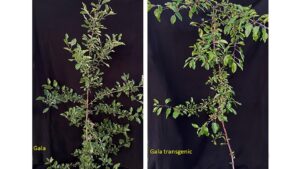
Studies have shown ‘weeping’ architecture — branches growing downward — helps allocate more resources and other nutrients toward reproductive growth.
Adoption of biological crop protection is taking off big time around the world; and yet, there is still room for more growth.
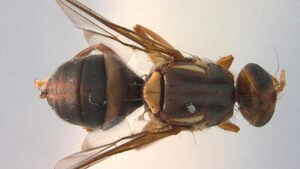
Ensuing Tau fruit fly quarantine is the first ever in Western Hemisphere.
Here are the most prominent technologies making strides in agriculture and saving farms by protecting harvest production and profit margins.
Though popular in many parts of the world, apples hold a special place in the hearts of Americans.
Even wine grape growers who report no shortage of labor say they’re paying through the nose.
Too bad more of the residue from California’s bountiful winter can’t be stored.
The era of HLB has some thinking about alternative crops.
We asked experts across all elements of biological crop protection to weigh in on what it takes for growers to produce a healthy, profitable crop.
First reports of the invasive pest being found in the Evergreen State was during 2020. Fruit and hops growers on alert.
Few growers stand up for their profession like Kenny Barnwell of Kenny Barnwell Orchards. He hopes more will.
Rising fertilizer costs and increased incidence of bitter pit topped the list of 2022 production challenges.
Disease, cold weather, market prices temper industry optimism.
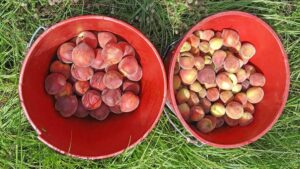
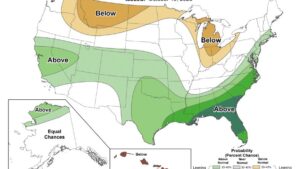
The Peach State’s peach crop has been reduced by as much as 95% after warmer-than normal winter weather followed by a March freeze, according to reports.
Producers turn a profit through direct-to-consumer sales while also turning their farms into destination points.
Website managed by inter-governmental non-profit group CABI packs a trove of biocontrol education, research, and treatment recommendations, all for free.
This year’s American Fruit Grower State of the Industry survey took a half-dozen current risks to profit and asked our grower readers to rank them.
The millions of ‘trees planted in Washington over the past several years are not viewed favorably by other growers around the country.
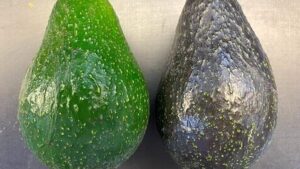
Developed by UC Riverside agricultural scientists, Luna UCR offers great flavor, a rind that turns black when ripe, and high postharvest quality.