Fruits
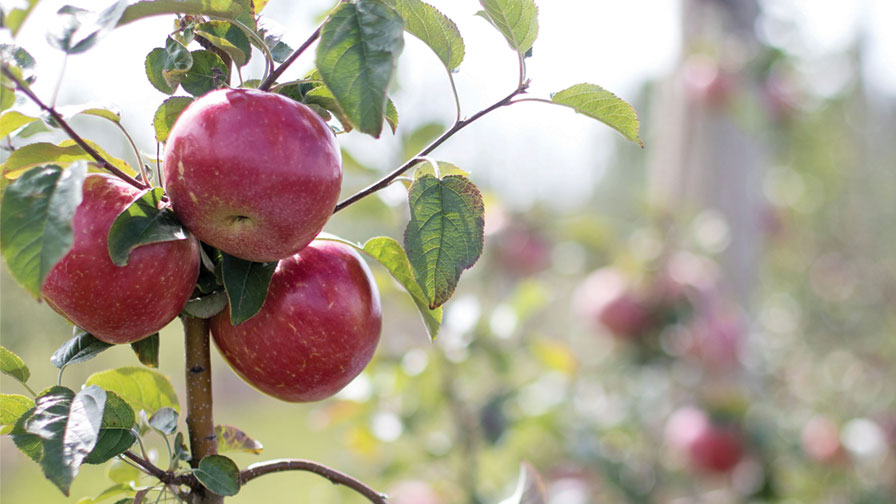
What happens when the leaves do not drop? Apple growers in Washington State are in the midst of finding out.
UC Davis is releasing a handful of varieties that not only resist deadly pathogen, but also offer high yields and better fruit quality.
Some areas of the Lonestar State are reporting good fruit sets despite drought, while other areas are reporting late freeze damage.
Researchers have developed a yellow and a red variety that are heat-tolerant, blight-tolerant, low-maintenance, easy to harvest, and more.
Beating this disease that threatens to scorch pome fruit orchards requires careful planning and execution.
Beginning with a more holistic, biological approach can save growers money on chemical sprays, a key consideration in these days of low walnut prices.
Cherry trees in the PNW can fall victim to a variety of viruses, some of which are exacerbated by cool spring temperatures.
Combining technology with soil health could hold the key to increased demand and limited supply.
Stormy weather in California, coupled with major hurricane impacts in Florida, could mean a not-so-sweet year for important pollinators.
Researcher urges growers to work to educate people on the spotted lanternfly as the visitor from Asia makes its way across the country.
Explore simple steps that can be taken to promote healthy soil as well as cultivate successful and sustainable agriculture.
Washington state well represented in U.S. Apple Association’s nextgen class.
Report reveals factors such as failing global economies, high inflation, and supply chain challenges all contribute to a redirection of investment.
American Fruit Grower Editor David Eddy says take a moment to thank a grower for making the world a better place.
While high-density pear trees thrive for Pennsylvania grower Clair Kauffman, the fruit’s most popular variety isn’t in the mix. Not yet at least.
A vision-guided sprayer improves weed management, with minimal crop injury, but reducing herbicide volume remains an issue.
Growers face the question of how many honey bee hives to stock their fields with to maximize pollination. The answer seems to lie beyond their field edges.
The future looks bright in using forecasting tools to increase yield and quality, while also reducing costs and risks.
New variety from Cornell raises expectations for wine in New York State.