Fruits
The potential for precision tools continues to expand for the specialty ag sector, especially for bigger operations. Smaller growers are looking for opportunities as well.
Learn how biological controls, aided by new ag tech innovations, are reaching new heights in the field.
Already eradicated twice in the Sunshine State, the invasive pest that feeds on more than 500 plants and agricultural crops has been detected again.
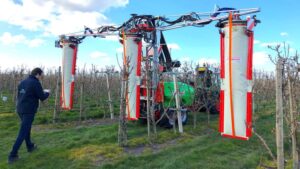
Michigan State University researchers and Dutch tech companies collaborate to demonstrate the potential of precision innovation in the orchard.
Industry survey indicates most are going ahead with plans to increase production this year.
Check out a complete list of all those nominated for this year’s industry honor.
We asked industry stakeholders for feedback and guidance on a number of topics. As always, they delivered.
Better understanding, more proof of efficacy, and cost-effectiveness needed prior to implementation.
USDA-APHIS increases and establishes HLB quarantine areas. Find out where.
It’s time for the “Shopper’s Guide to Pesticides in Produce” — which might actually reduce produce consumption — to go away.
A nimble approach to pivoting food and supply chains will be key for those in U.S. agriculture until the storm ends, says market expert Dr. Jim Budzynski.
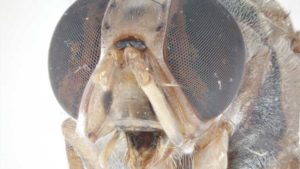
Oriental fruit flies discovered in traps around St. Petersburg area. Learn more about this pest that attacks more than 400 fruits, vegetables, and nuts.

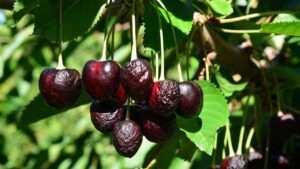
Despite valiant efforts to protect Oregon’s sweet cherry crop, last year’s heat dome was simply too hot to handle.
Researchers and producers are working together to flesh out potential of bubbling market.
Drier, better aerated conditions during root flush may promote growth from deeper roots.
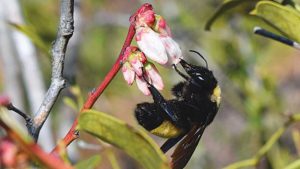
Learn more about a new study that shows the shape of flowers has the biggest effect on how parasites are transmitted to bees.
Up to $200 million in assistance for new program that’s part of a broader effort to transform food systems and create jobs.
Best practices include safer insecticides and someday soon maybe trap trees.
Thanks to exceptional collaboration among professional associations and their leaders and constituents, the blueberry community continues to thrive.