Stone Fruit
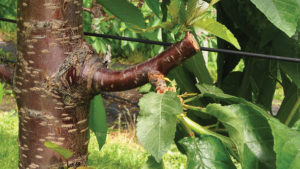
A new disorder called slip-skin is challenging sweet cherry management in the Okanagan Valley of British Columbia.
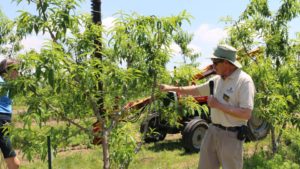
Open vase systems may be a grower favorite, but it’s time to look to labor savings and mechanization, say two leading Michigan State University researchers.
IFTA summer tour-goers learn why Coral Beach Farms goes higher and higher in elevation to push production into the second week of September.
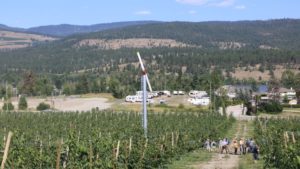
Fruit breeding a hot topic as the International Fruit Tree Association makes first stop at Summerland Research Station in British Columbia.
Company acquires breeding and associated variety assets of tree fruit industry stalwart Burchell Nursery.
Stone fruit-producing states square off in epic Twitter battle to crown the best of the Southeast.
Trees picked clean of white peaches, leaving orchard owner with $1,000 loss.
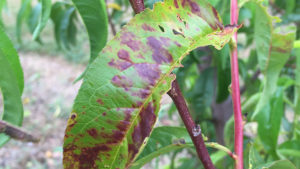
While symptoms may vary by host, this pathogen’s persistence is what makes controlling it a challenge.
Cool weather is blamed for the generally smaller crop across the country; however, tart cherries up nearly 50%.
Once an afterthought in sweet cherry production, China has become a major player in the global market.
Consider using these advancements to improve the delivery of your biological control investments.
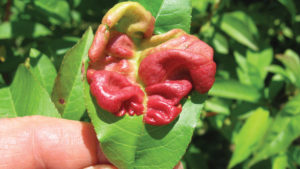
One of the easiest diseases to identify is the most difficult to control.
Label expansion allows for longer blossom window.
Southeastern peach growers have battled low chill hours for the last two years, but experts think there is hope on the horizon. Here’s what you need to know.

Peaches to be packed under Lane Southern Orchards’ label.
Dormant sprays of herbicide can be a part of resistance management plans.
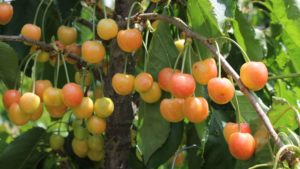
When it comes to cherry production, there is not a single choice that is the best in every situation.
While lack of chill hours put a damper on stone fruit seasons, growers say organic and high-quality fruits are the future of the industry.
Are there areas of your business you would like to improve? If so, check out this slideshow to […]