

Quality Commitment Keeps Chinchiolo Farming Co. Growing in New Directions
 April 29, 2025
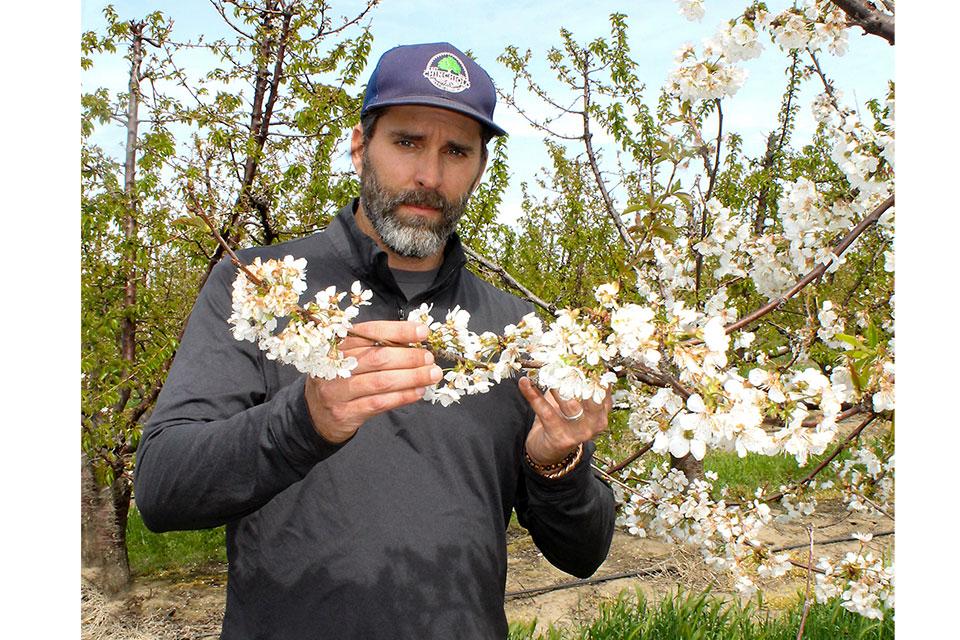
 He was driving a tractor by age six, but before James Chinchiolo went to college, his father told him that first he needed to do something else before returning to the Linden, CA family farm. After receiving a degree in business from the nearby University of Pacific, Chinchiolo ran a company that repaired landslides and mitigated rockfall for 10 years before getting a call from his father, who said he couldn’t physically farm any more and was thinking about leasing the ground.
View all
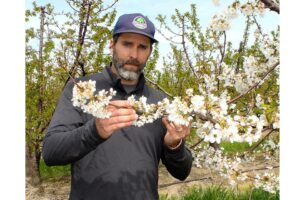
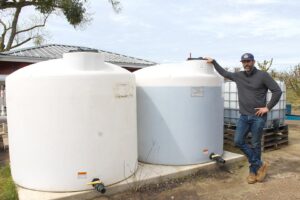
“I said I wanted to do it, I have a real love for being in nature, and I figured out a way to take over the company Feb. 14, 2018,” he says.
The company is Chinchiolo Farming Co., and is not to be confused with Chinchiolo Stemilt, which involves other members of the family.
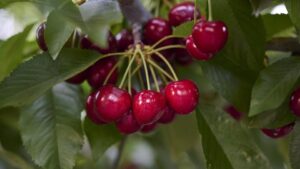
Chinchiolo soon came to the conclusion that with just 220 acres, 40 of cherries, 180 of walnuts, he couldn’t compete with other wholesale family farms, which in California average 360 acres.
“They have economy of scale, they have negotiating power; if I just jumped in with other wholesale farmers, I knew we couldn’t survive,” he says. “We needed to make a change; we needed to create our own identity in a sea of larger farming operations.”
DIRECT APPROACH
He began scouting successful farming operations and decided on cherry U-pick after seeing how big the parking lots were at another grower’s U-pick in a nearby town. He leveraged his sales and marketing skills from his former career, and found that in today’s world, many people want a relationship with the folks who produce their food. He gave the U-pick operation a catchy name that included the largest city in the area: “Lodi Blooms.”
It was pretty successful right away, as he was soon drawing 2,000 people a day for the 12 days – 4 weekends a year – when Lodi Blooms is open for picking. Chinchiolo soon came to realize that what he had read, that consumers do want to learn more about how their cherries are grown, is a real movement in this country. Of course, that doesn’t mean they know when they are grown.
“People ask in December, ‘Are the cherries ripe?’” he chuckles. “There’s a lot of education needed.”
Chinchiolo understands why people want that connection to their food. He’s a farmer himself, but he likes to make that link too. He and his men’s group recently bought Dungeness crab in the nearby San Francisco Bay Area, and enjoyed it more thoroughly than they would in a restaurant.
“I talked to the fisherman who caught it that day, and we cooked it that night, it was great,” he said. “I get it, I buy my meat direct as well – from Mariposa Ranch – this is more than a trend.”
In the following year, the spring of 2019, California was hit with a lot of rain, and the cherries cracked. They couldn’t be picked for wholesale markets.
“I just opened up the orchards and let people pick,” Chinchiolo says, smiling. “They came in droves, and they loved it, they absolutely loved it. We made more that year than we would have if we had filed an insurance claim, essentially becoming self-insured.”
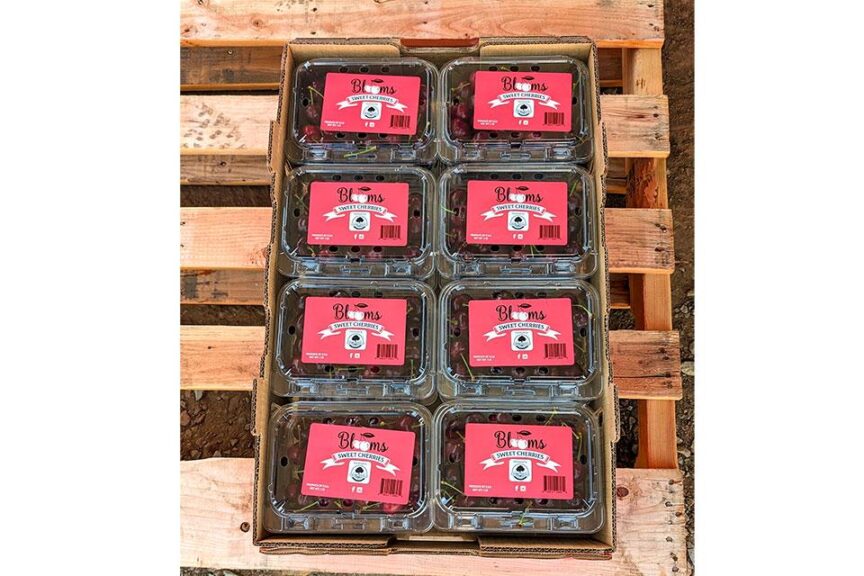
But Chinchiolo couldn’t sell all his cherries through U-Pick and needed more than farmers’ markets and high-end grocery stores in the Sacramento area to sell all his fruit. He realized direct shipping was the way to go, but in a way that would separate Chinchiolo Farming.
PICK, PACK, SHIP
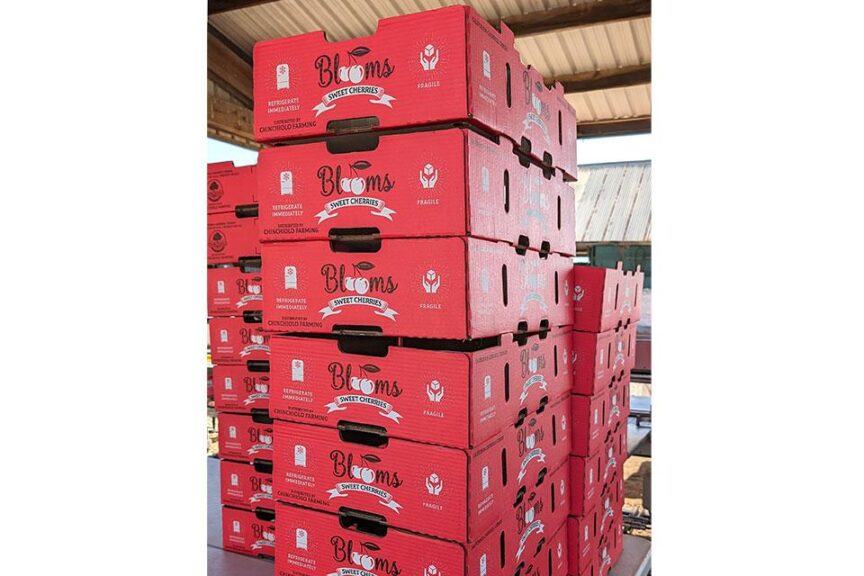
Chinchiolo decided he would define himself in the market through top quality. That could only be achieved, he thought, if they could ensure the cherries were extremely fresh. To do that, they begin picking cherries at daybreak and ship them out that day, guaranteeing the cherries will arrive anywhere in the U.S. within 48 hours of picking.
Soon after they started, Chinchiolo knew they were on the right track when he got this message from a consumer: “We will never buy cherries from the grocery store again!”
In 2020, COVID hit, and many in the cherry industry were wondering if the Asian markets would even open. Chinchiolo realized he needed to get the message out to more people about his direct-shipped cherries.
“So we started a website, but we didn’t even really have it up – it was a hard page to find – and this woman from Texas ordered,” he says, relishing the memory. “I picked them myself, and when they were delivered, she texted: ‘I can’t find these in Texas. I used to live in Lodi. I will never buy cherries anywhere else.’ It’s not about getting customers; it’s about keeping customers.”
There are enough consumers in the U.S. who really want and will pay for a fantastic tasting product. Chinchiolo believes that he can achieve better quality through healthier trees. That meant that besides changing the way he sells the fruit, he needed to change the way he grows it.
“The traditional industry taught me the chemical approach – if something’s in your way, kill it,” he says. “But the better we manage the soil biome and the overall health of our trees, the better tasting our cherries and walnuts will be. I think with a biological approach you come up with something that’s better tasting; I can taste the difference 100%.”
He’s not going organic, at least not right away, as there are currently problems he can’t solve without chemicals, such as spotted wing drosophila. But he’s definitely started down that road, bringing in sheep to keep the weeds down rather than spraying, for instance.
“We’re trying to use bio as much as possible with the ultimate goal of regenerative certification,” he says. “You will end up becoming organic as a byproduct, not as an end goal. I’m giving myself five years.”
Subscribe Today For