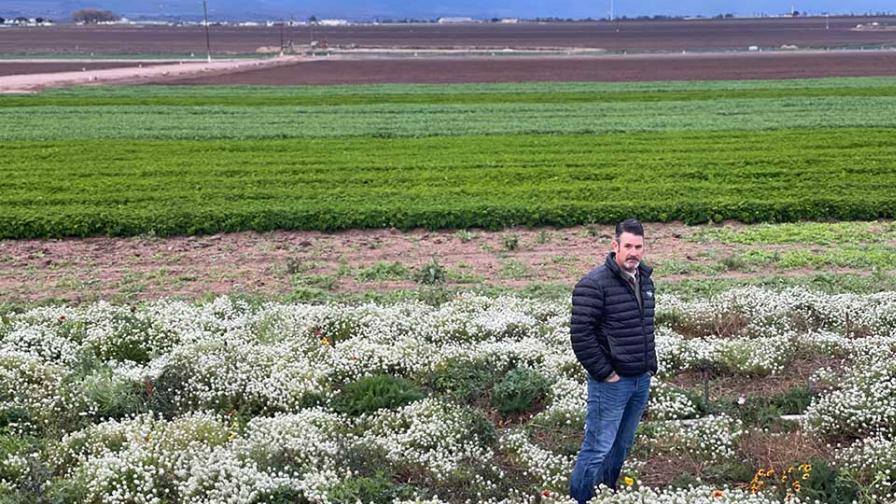
Can Carbon-Neutral Farming Be Done? Braga Fresh Is Aiming for It By Carol Miller|January 5, 2022 This cool-season vegetable grower’s moon-shot goal to reach zero net emissions is propelling the operation to up its practices. Read More
Why Development of Nation’s First Tomato Spotted Wilt Virus Clone Is a Big Deal By AgriLife Today|October 8, 2026
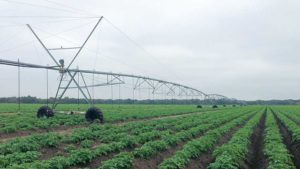
Study Shows Mobile Drip Irrigation Can Be a Winner for Watermelon By AgriLife Today|January 5, 2022 Learn more details about a project that compares two types of watering methods for producing high-quality vegetables.
To the Water Wise: On-Farm Recharge a Solution for Nut Growers By Thomas Skernivitz|December 21, 2021 Learn more about a study that illustrates the benefits of intentionally flooding orchards.
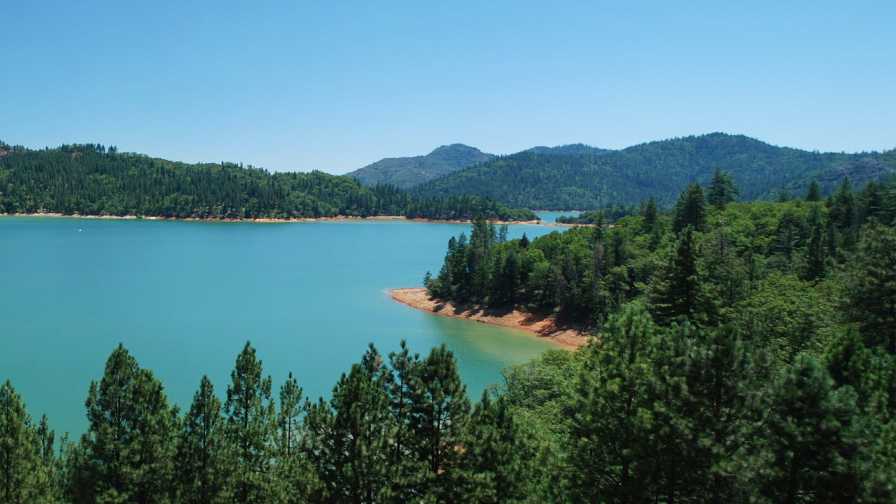
How Climate Change Is Putting the Clamps on California Ag By The Conversation|December 16, 2021 Distinguished University of California Professor of Engineering gives his educated take on why the state’s water troubles aren’t going away anytime soon.
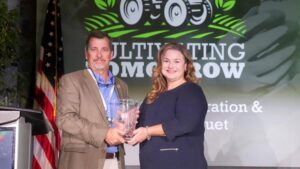
Winning for Florida Waters: Tater Farms Recognized for Conservation Efforts By Frank Giles|December 4, 2021 Tri-County Agricultural Area operation saving thousands of gallons of water daily. Learn how they do it.
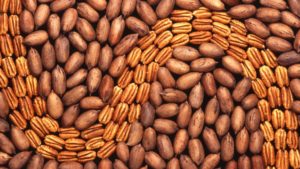
Drought Conditions Inspire Scientists To Take Closer Look at Irrigation for Pecans By American Society of Agronomy and Crop Science Society of America|November 26, 2021 Study results show the popular nut can endure continuous irrigation with brackish water for up to one year. After that, all bets are off.
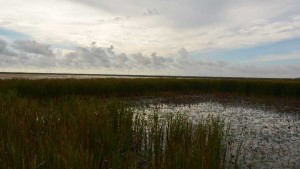
By the Numbers: How the 2021 Wet Season in South Florida Stacks up Posted by Paul Rusnak|November 12, 2021 Despite another Atlantic hurricane season that exhausted its list of names, rainfall amounts across the Sunshine State stay the course.
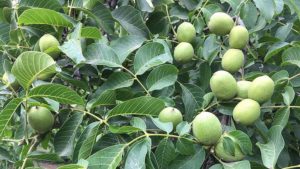
You Should Listen to Walnut Trees Before Irrigation Application By David Eddy|November 9, 2021 Walnuts actually do better with deficit irrigation, but it’s hard to convince growers.
UC Davis To Lead Groundwater and Irrigated Agriculture Sustainability Study By Growing Produce Staff|October 18, 2021 Effort will develop ways to minimize risk from climate extremes for Southwest produce growers.
Going Dry: Can California Groundwater Supply Fully Recover from Drought? By UC Riverside News|October 4, 2021 Learn more about a new study that digs down deep into the true impact of arid climate conditions on irrigation reserve.
California Coastal Grape Growers Can Use Less Water During Drought Posted by Thomas Skernivitz|September 2, 2021 Study finds using less water in vineyards doesn’t compromise the quality of crops.
Wading Through Water Woes: California Growers Face Uncertain Future By David Eddy|August 31, 2021 State’s water situation grows increasingly dire, though fruit and nut growers should fare better than others in the long run.
New Vegetable Irrigation Methods for a New World By Carol Miller|August 25, 2021 As water scarcity increases, scientists around the globe are looking at growers’ options. Here are three studies with some interesting results.
Florida Ag Commissioner Announces New Clean Water Initiative By Frank Giles|August 16, 2021 Learn more about a program that increases on-farm inspections and collects grower nutrient applications records.
Get Your Farm Into the Flow With These New Irrigation Products By Thomas Skernivitz|July 20, 2021 Equipment arriving through the pipeline aims to address irrigation problems for growers as early and efficiently as possible.
Imaging Spectroscopy Predicts Water Stress in Wild Blueberry Fields Posted by Thomas Skernivitz|July 16, 2021 University of Maine researchers cite increased need for predictive tools because of warming, drought, freezing, and pathogens.
Irrigation Tips for Produce Growers: Dealing With the Dry Season By Thomas Skernivitz|July 13, 2021 Equipment manufacturers stress timeliness, efficiency to combat rising temperatures, and minimal moisture.
Max Yield in the Field: How Precision Irrigation Hits the Right Spot By David Eddy|July 6, 2021 You can’t change the land where you farm, but you can control how productive it is.
Hit the Showers! Dry Season in Florida Taking Early Exit? Posted by Paul Rusnak|May 13, 2021 Unusually wet April benefits water levels across much of the Sunshine State.
3 Sustainable Ideas for Healthier Vegetable Crops By Johnny Eppich|May 12, 2021 Recent research focuses on using fewer chemicals and adopting natural, low-cost alternatives for better plant and fruit quality.