Organic
New research identifies factors that can impact your organic price premium.
Consumers are showing a strong demand for organic produce, but don’t quit your day job just yet.
Organics are hot. Consumer demand and continued market growth are creating more opportunities for farmers.
Industry association says proposed process to establish national research and promotion program was burdensome.
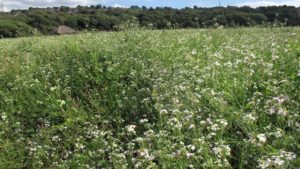
While a radish cover crop does trap nitrogen in the fall, it does not supply nitrogen to subsequent crops, a study published in Agronomy Journal Abstract shows.
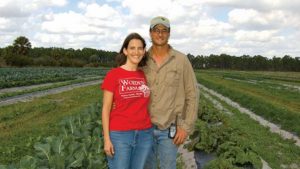
After identifying opportunities within the organic market, Wholesum Harvest has created a new enterprises with partners in an effort to fill those voids.
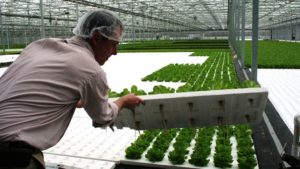
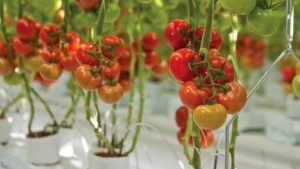
USDA’s ruling that hydroponic produce is eligible for organic labeling roiled the industry. One of the largest hydroponic growers in the U.S., however, is largely unfazed.
Growers urge U.S. Senators Feinstein and Harris to support organic businesses, which employ more than 300,000 Californians.
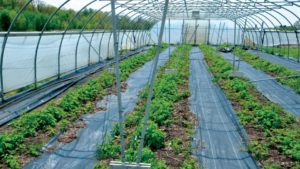
Taking a balanced ecosystem approach to vineyard production can give your organic orchards a leg up.
A disconnect exists between what consumers think organic food means and reality.
Botanical-based product provides knock-down control of insects, mites, powdery mildew, and botrytis.
Sweet alyssum can help biologically control aphids on transplanted organic romaine lettuce but can take up valuable land. USDA-ARS researcher Eric Brennan shares techniques he’s learned over 10 years.

Biological control has moved into the mainstream. After years of experimentation and new and improved technologies, biocontrol is […]
State-of-the-art operation in Central Florida built and equipped to meet growing marketplace demand.
Research findings, organically approved strategies among topics covered by the webinar.
Organic berries are the fastest-growing category, increasing by 22%.
Changing demographics and technology bode well for expanding sector’s demand and sales.
Product available for organic citrus, small fruits, tree crops, vegetables, and vines.
Hydroponic, aquaponic, and aeroponic operations are currently included in the allowed methods of organic production, although aeroponic operations are being reviewed by USDA.