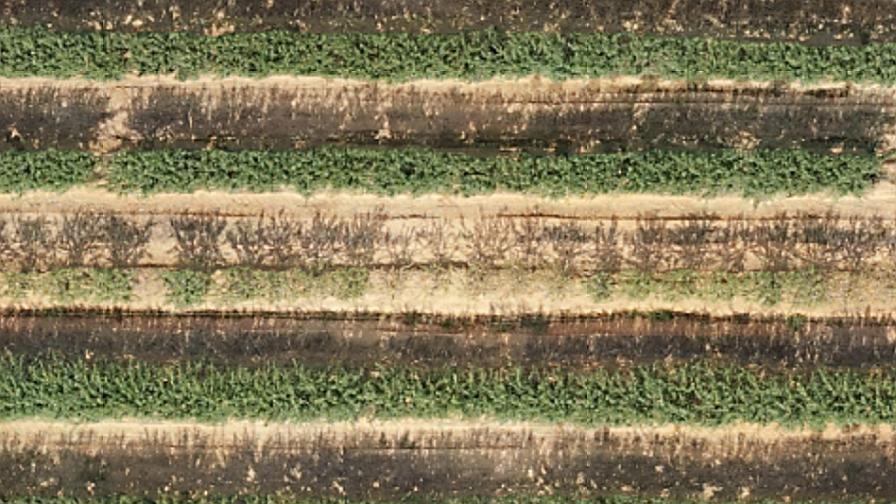
Update on Fertigation Management Practices Provides Fruitful Intel for Farmers By Thomas Skernivitz|May 15, 2023 With atmospheric rivers dampening once-parched California, the window shrinks for growers to fertigate. Read More
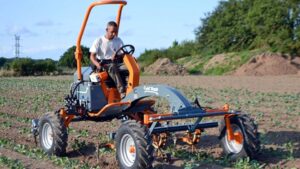
Smart Tech in the Field: What’s Gaining Ground for Vegetable Growers By Michele Katsaris|October 24, 2026
U.S. Raises Its Climate Smart Farming Game With More than $3 Billion in Grants By Global Ag Tech Initiative|May 13, 2023 USDA’s 2023 goal of combating climate change to support farmers is in full swing.
Top Ranking of the Largest Greenhouse Vegetable Growers in the U.S. Right Now By Brian Sparks|May 12, 2023 The controlled-environment segment in the fresh produce industry is growing rapidly. Check out a list of major players in 2023.
Are There Ways To Grow Hemp That Will Help Combat Climate Change? Posted by Paul Rusnak|May 11, 2023 A $4.9 million grant from the USDA backs research on crop production for conservation and carbon sequestration.
Weather Woah! What a Difference a Half Year Makes for California Growers By David Eddy|May 9, 2023 Last fall, farmers in the Golden State were facing a serious drought, but those days are long gone.
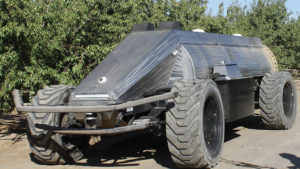
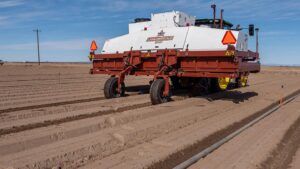
When Will We See Autonomous Vehicles on All Farms? By Jane Marsh, Environment.co|May 5, 2023 While automatic vehicles are already on some of today’s farms, it’s matter of time before this technology becomes widespread.
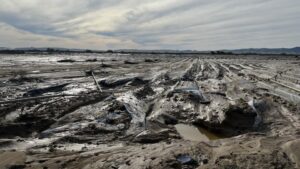
Storm-Induced Flood Concerns a Reality for Tree Crops By Trevor Suslow|May 2, 2023 Prolonged flooding has potentially serious disease impacts beyond food safety.
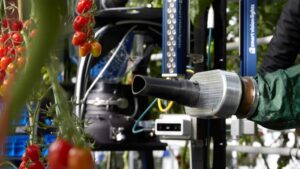
Robotic Harvesting System for Greenhouse Tomatoes Being Put To the Test By Greenhouse Grower|April 28, 2023 Partnership between Syngenta Vegetable Seeds and Four Growers could lead to faster crop advancements, reduced food waste, and more.
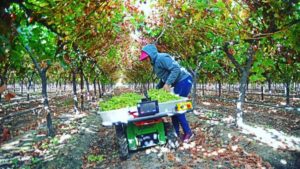
New Report: Specialty Crop Growers Spending $500,000 a Year on Automation Posted by Growing Produce Staff|April 27, 2023 Latest findings from Western Growers reveal a 25% increase in average year-over-year ag tech investment as labor shortage persists.
Greenhouse Vegetable Food Safety at the Center of New Survey By Greenhouse Grower|April 26, 2023 Feedback needed to improve the quality of food safety educational programs and to develop a targeted university educational curriculum..
The Quest for Better Fruit: Why Growers Need To Start From the Ground up By Gary Gao, Ohio State University|April 25, 2023 Improving soil health can help growers produce nutritious fruits in a more sustainable manner.
Delayed Leaf Abscission a Trending Issue for Washington Apple Producers Posted by Growing Produce Staff|April 24, 2023 What happens when the leaves do not drop? Apple growers in Washington State are in the midst of finding out.
Is Salinity Harming Your Vegetable Crops? By Michael Cahn|April 19, 2023 Follow these three steps to determine when you need to address salt levels in your soil.
Tech Able To Dig Into Real-Time Soil Data Essential for Food Quality By Jane Marsh, Environment.co|April 14, 2023 Combining technology with soil health could hold the key to increased demand and limited supply.
ICYMI: 2023 Might Be a Bad Year for Honey Bees Posted by Paul Rusnak|April 11, 2023 Stormy weather in California, coupled with major hurricane impacts in Florida, could mean a not-so-sweet year for important pollinators.
Improve Soil Health To Help Reduce Compaction and Runoff on the Farm By Meri Lillia Mullins, Biome Makers|April 11, 2023 Explore simple steps that can be taken to promote healthy soil as well as cultivate successful and sustainable agriculture.
How This Leafy Greens Grower Is Taking Charge With Hydroponics By Thomas Skernivitz|April 7, 2023 Indoor produce grower Tyler Gogolek creates a winning atmosphere — despite the gray winters — at his Ohio hydroponics business.
New Development In Progress for Greenhouse-Grown Snacking Peppers By Greenhouse Grower|April 6, 2023 Researchers at Virginia Tech are studying how to make sweet snacking peppers suitable for growing in indoor environments.
New Hampshire Vegetable Grower All In on His Favorite Farm Equipment Picks By Thomas Skernivitz|April 5, 2023 Andre Cantelmo, Co-Owner of Heron Pond Farm, grows crops covering all four seasons. We asked him about his best tool options.
Is This the Year for Precision Ag Tech Investment? Yes By Global Ag Tech Initiative|April 5, 2023 Report reveals factors such as failing global economies, high inflation, and supply chain challenges all contribute to a redirection of investment.