

Stop Treating Orchard Symptoms. Fix the Root Cause.
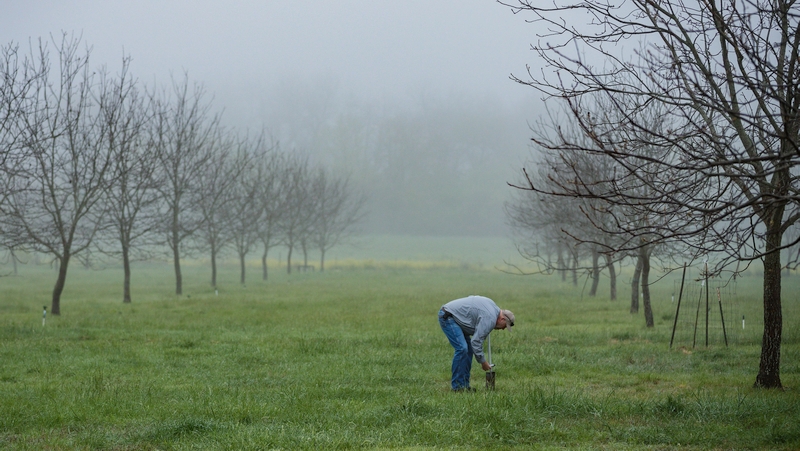
Many orchard challenges persist because growers focus only on what they can see. Leaf spotting, chlorosis, or pest outbreaks often become the targets of quick treatments, but those interventions seldom address the real problem. As Charlie Graham, senior regenerative ranching advisor at Noble Research Institute, explains, “People usually see a symptom, and they’ve been taught to treat it. The symptom can reappear because we’re not treating the cause.”
A more effective approach starts with an accurate diagnosis. Understand the problem clearly, identify the root cause, and fix it to prevent it from recurring. “Our goal is to solve the issue, so it doesn’t happen again,” says Graham.
Start with Correct Identification
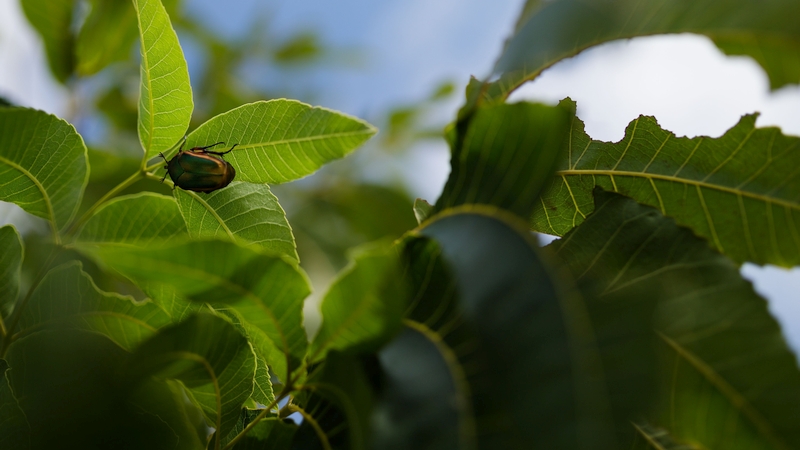
Misdiagnosis causes unnecessary costs and ongoing orchard stress. Graham notes he often sees growers “spray a fungicide when they really have an insect problem,” resulting in wasted time and money.
Strengthen the diagnostic process:
- Build a photographic library of issues, labeled with confirmed diagnoses and the conditions in which they occurred.
- Collaborate with neighboring growers to learn what they are seeing throughout the season.
- Use trusted identification tools, including IPM photo databases and diagnostic apps, to compare symptoms.
- When uncertainty remains, send samples to a diagnostic lab. Many university labs provide this service at little to no cost, offering reliable confirmation.
Use the Five Whys to Reach the Real Problem
The Five Whys method helps move past surface-level observations. Identify the symptom, then repeatedly ask “why” until reaching the root cause.
Graham offers an example with chlorosis:
- Leaves are yellow because chlorophyll is low.
- Chlorophyll is low due to limited nutrients, often iron.
- Iron is limited because uptake is restricted.
- Uptake is restricted by soil factors such as pH imbalance, compaction, or saturation.
- Those soil issues arise from management decisions such as over-irrigation or insufficient organic matter.
“Take yourself down step by step until you reach the root cause,” Graham explains. “Then solve that problem, which fixes everything above it.”
The Root of Roots is Water
Before examining specific practices that enhance orchard resilience, it’s helpful to consider the underlying system that affects nearly every issue growers face. Many symptoms identified through the Five Whys originate from conditions beneath the soil surface, leading to a key question: how effectively is the orchard’s water cycle functioning?
Water dynamics are central to orchard health. Graham stresses that improving the water cycle should be the first step. Enhancing infiltration, promoting deeper rooting, and maintaining steady soil moisture strengthen the entire orchard system. As organic matter increases, soil aggregates form, microbial activity rises, and nutrient cycling becomes more efficient. Trees become more resilient and less reliant on reactive treatments.
Regenerative Practices Reduce the Problem Set
Regenerative practices help break cycles causing ongoing orchard issues by enhancing soil structure, aiding beneficial organisms, and fostering conditions that reduce pest and disease pressure.
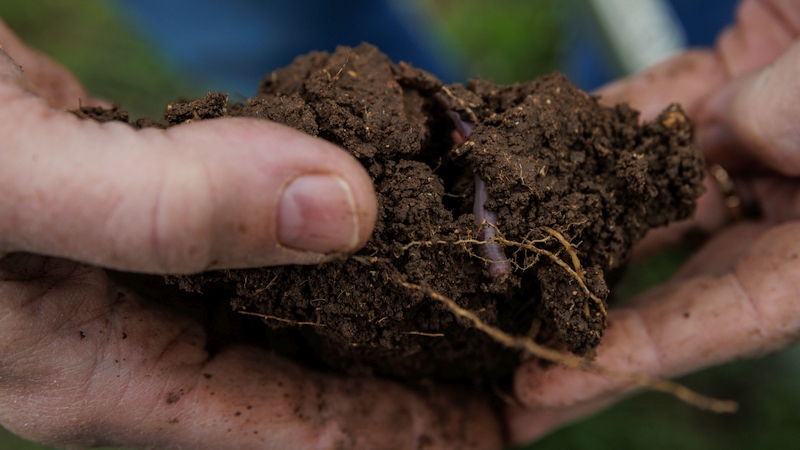
- Prioritize soil health. Cover crops add organic matter and promote biological activity, helping maintain nutrient availability. “As you improve your soil health, the tree itself is better able to fight off infections and insect pressures,” Graham notes.
- Disrupt pest life cycles. Rotating cover crops and encouraging beneficial insects weakens pest patterns and lowers the likelihood of outbreaks.
- Right-size the canopy. Maintaining proper spacing and consistent hedging promotes airflow, reduces leaf wetness, and limits infection risks.
A Practical Playbook for This Season
- Codify scouting. Establish weekly scouting routines, document abnormalities with photos, and log environmental conditions.
- Standardize diagnosis. Correctly identify the problem, and if unsure, send samples for lab confirmation. Use the Five Whys to identify the root cause of the symptoms, then take steps to keep it from recurring.
- Optimize canopy structure. Assess airflow and plan hedging or selective removal where needed. Verify improvements after rainfall by monitoring leaf wetness.
- Rebuild soil health. Choose cover crops that match your orchard’s needs, focusing on rooting depth and species diversity. Track improvements through infiltration tests.
- Use digital tools. Ensure your team has access to reliable identification guides and IPM resources.
What Changes When You Manage Causes
Centering decisions on verified causes rather than symptoms leads to a more stable and efficient orchard system. Management becomes clearer because it is informed by actual field conditions. Inputs are applied with purpose, tree growth becomes more uniform, and seasonal patterns become easier to anticipate.
Over time, the orchard operates with greater consistency. Scouting uncovers fewer unexpected issues, weather events trigger fewer emergencies, and overall productivity improves. Clean data, balanced canopies, and reduced disruptions support better long-term planning and investment confidence.