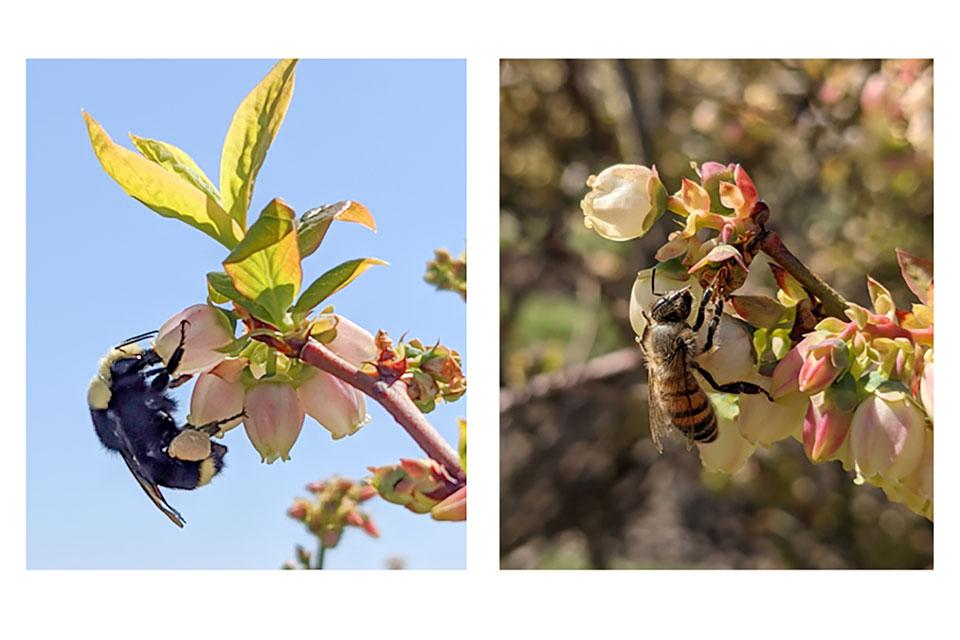
Blueberry growers should look beyond honey bees to wild bees when it comes to the pollination of their crop.
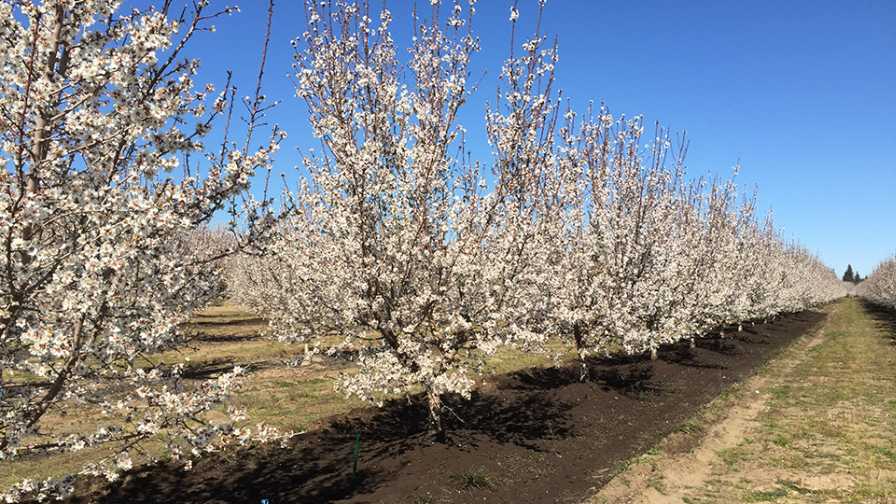
But the objective forecast for California almond production is down from May’s whopping subjective estimate.
Researchers find that clothianidin’s negative affects on wild bees include impairing the bees’ ability to pollinate strawberry flowers.
Certification may be impractical, but this buzzworthy endeavor looks to be viable.
Swarm of researchers set out to find and recommend the best ways and time for bringing bees and blueberry plants together.
Pollinators continue to persist, some despite having a pandemic of their own to deal with.
Unique product to be available for crops including strawberries, blueberries, and almonds. Find out how it works.
Practices that maximize productivity can undermine the pollination process, reducing profitability.
Some crops most dependent on pollinators, including pumpkins, watermelons, pears, peaches, plums, apples and blueberries, appeared to have the strongest pollination mismatch.
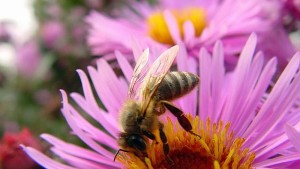
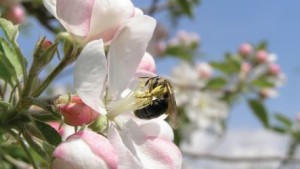
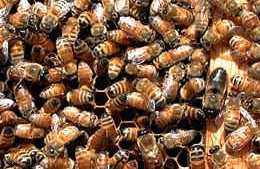
Bees need to be protected as these beneficial, pollinating insects have an important job: They help increase yields of both fruits and vegetables.
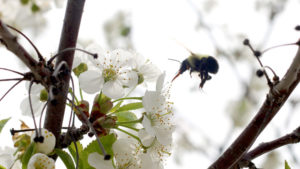
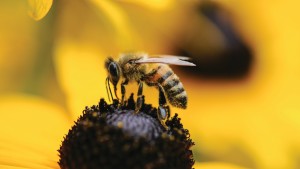
The European honeybee gets all the attention, but there are more than 3,600 species of wild bees in North America.
Integrated Crop Pollination Project video intended for growers of specialty crops.
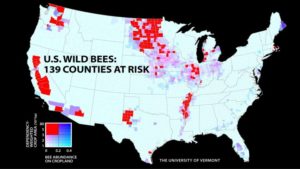
Researchers say wild bee supply dropping while there is an increase in demand for pollinators.
A swarm of scientists is working on a coordinated effort to help the beneficial insects that make your crops happen.
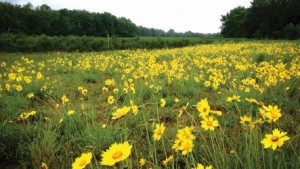
Research from Michigan State University has shown that growers can increase pollination and yield of blueberry by planting wildflowers that support wild bees, like bumble bees, and as well as honeybees.

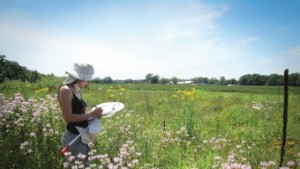
Maintaining flowering fields and forests may provide hosts for all the pollinators you need.
The Almond Leadership program helped Cosyns see future trends and opportunities in the industry.
The truck with 448 hives was headed to a farm in Washington.
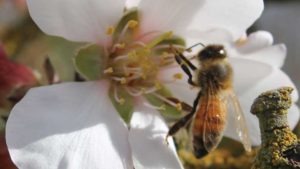
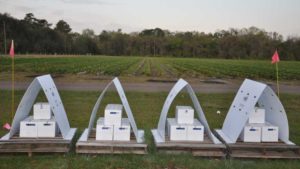
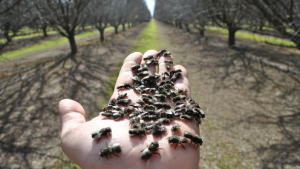
The native bee Osmia lignaria could soon be a valuable piece of the pollinator mix, especially for smaller almond growers.