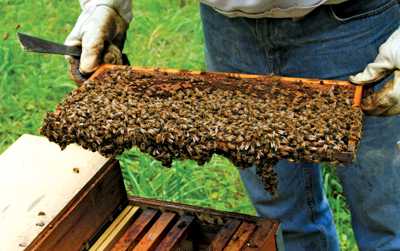
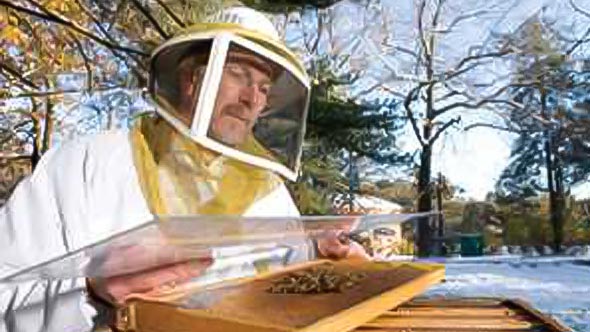
Top Beekeepers Wanted Posted by David Eddy|February 2, 2015 Bayer CropScience seeks nominations for award honoring innovations in the beekeeping community.Read More
The Hidden Margin Leak Between Projected and Actual Harvest Dates By Muhammad Abdullah, Folio3 Agtech|June 2, 2026
A Combination Of Culprits Are Related To The Decline In Bee Populations By Christina Bucciere|December 3, 2014 The latest research into Colony Collapse Disorder is focused on a number of issues facing bee populations.
Almond Growers To Promote Bee Health Posted by David Eddy|October 16, 2014 Almond Board of California announces comprehensive Best Management Practices.
New Jersey Green Industry Council Will Host Pollinator Summit November 11 Posted by Lauren María Alexander|October 8, 2014 The New Jersey Green Industry Council’s 2014 Pollinator Summit is an event and issue briefing for everyone who […]
Florida Citrus Growers, Beekeepers Deal Proving To Be Buzzworthy Model Posted by Paul Rusnak|September 3, 2014 EPA encourages further promotion and partnership in similar voluntary programs across the country.
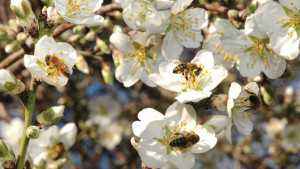
New Research Targets Plants’ Ability To Attract Pollinators Posted by Lauren María Alexander|July 30, 2014 Two researchers at New Mexico State University (NMSU) are working on a project testing native and non-native plants for their ability to attract and retain pollinators.
Survey Shows Better Results For Pollinators, But Losses Remain Significant Posted by Lauren María Alexander|May 19, 2014 Yearly survey shows fewer colony losses this past winter, but that losses are still too high to be economically sustainable.
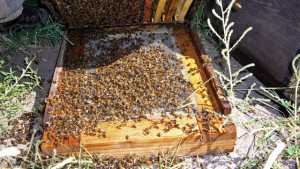
Please Mind Your Bees And Qs [Opinion] By Paul Rusnak|May 14, 2014 Despite knowing the vital role bees play in agriculture, there is still room for progress beyond the walls of a science lab.
Get To The Bottom Of BMPs For Bees Posted by Paul Rusnak|April 21, 2014 Florida citrus growers and beekeepers seek common ground after recent skirmishes.
Florida Citrus Growers, Beekeepers Partner For Progress Posted by Paul Rusnak|February 27, 2014 Collaboration includes recommendations for long-term coexistence.
Agriculture Secretary Announces $3 Million For A New Program To Improve Pollinator Health Posted by Rosemary Gordon|February 26, 2014 Funding will be provided through the Environmental Quality Incentives Program.
EPA Funds Projects To Reduce Pesticide Use, Risks To Bees Posted by Rosemary Gordon|January 15, 2014 EPA awards almost a half a million in funding to three universities: Louisiana State, Penn State, and University of Vermont.
Bayer CropScience Opens North Carolina Bee Care Facility Posted by Rosemary Gordon|November 26, 2013 New facility in Clayton, NC, is designed to advance honey bee health and research and development initiatives.
Buzz Building About Citrus Seed-Source Trees Under Cover By Peter Chaires|November 21, 2013 Providing the right environment for pollinators is key for successful screenhouse production.
Top 10 Ways To Help Save The Bees By Randy Oliver|November 19, 2013 Beekeeper offers best pracitces to save pollinators on your orchard.
Beekeeper Asks Growers To ‘Help Me Save My Bees’ By Randy Oliver|November 19, 2013 A beekeeper says growers aren’t solely to blame for bees’ declining mortality — and they can take action.
Integrated Crop Pollination Project Off To Flying Start Posted by Brian Sparks|November 18, 2013 Thanks to a year’s worth of data gathering, this pollination research project is gaining steam.
New Pesticide Labels To Protect Bees Posted by Paul Rusnak|August 16, 2013 In an ongoing effort to protect bees and other pollinators, the U.S. EPA has developed new pesticide labels […]
Bayer CropScience Breaks Ground On North American Bee Care Center Posted by Paul Rusnak|June 3, 2013 As part of its continued commitment to honey bee health, Bayer CropScience broke ground last week on its […]
EPA Removes Bee Toxicity Warning From Grandevo Posted by Paul Rusnak|May 21, 2013 Marrone Bio Innovations, Inc. (MBI), has received EPA approval to delete the bee toxicity warning statement from its […]




![Please Mind Your Bees And Qs [Opinion]](https://www.growingproduce.com/wp-content/uploads/2014/05/bee_swarm-300x169.jpg)