The invasive plant pest that has been plaguing produce growers in other parts of the country for years finally finds lands in the Sunshine State. What now?
The invasive pest continues to cause damage in California almond orchards — as well as in most other parts of the country where it’s become more than just a nuisance.
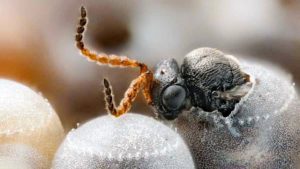
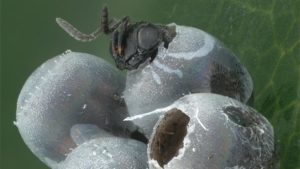
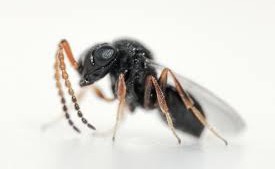
Researchers discover first instance of samurai wasp where population re-establishes on several sites.
Recent model simulations for 2050 and 2100 show warmer temperatures likely to aid in brown marmorated stink bug’s migration patterns to the North.
With cargo being shipped daily all over the world, it’s no wonder there are invasive pests landing in the U.S. — including these tiny but formidable foes.
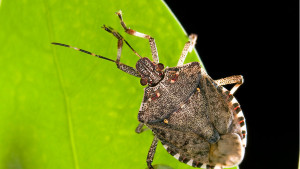
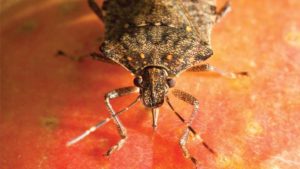
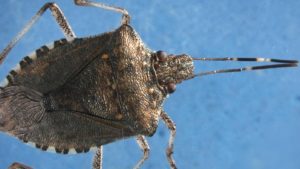
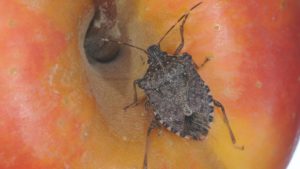
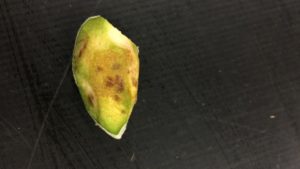
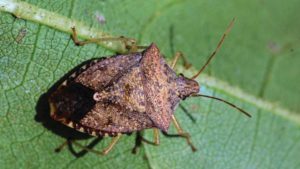
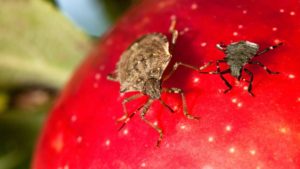
BMSB has been causing more damage in a fashion that should concern the state’s growers.
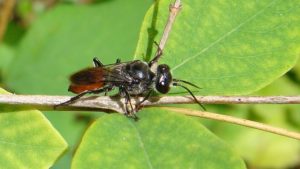
Soil-nesting wasp could be natural enemy of brown marmorated stink bug.
USDA researchers have identified a chemical that makes pheromone traps more effective in killing the brown marmorated stink bug.
While these topics might seem like standard fare, the fruit and nut industry is changing rapidly, and new developments are right around the corner.
Sightings of notorious pest in Mississippi, though crops have been spared so far.
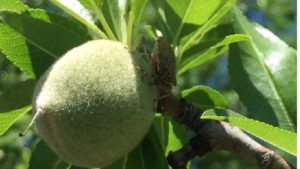
While populations are low, it appears invasive pest has recently stumbled upon the state’s peaches and almonds.
Samuri wasp parasitized egg mass found in Southern New Jersey peach orchard.
Armed with a $3.7 million grant, North Carolina State University researchers have the brown marmorated stink bug, which has been found in 43 states, in their cross hairs.

The notorious brown marmorated stink bug has turned up in large numbers in the Pacific Northwest, no damage to crops.
Scout and monitor your orchard to determine if control is needed, says Penn State University Extension.
Low overwintering mortality means growers should be trapping and monitoring.
Grape growers should be on the lookout this fall for two pests that are popping up in vineyards […]
Researchers from Michigan State University (MSU) have received a $173,151 grant from the USDA National Institute of Food […]
Parasitic wasp find leads Washington State University researchers to declare ‘We struck it rich.’