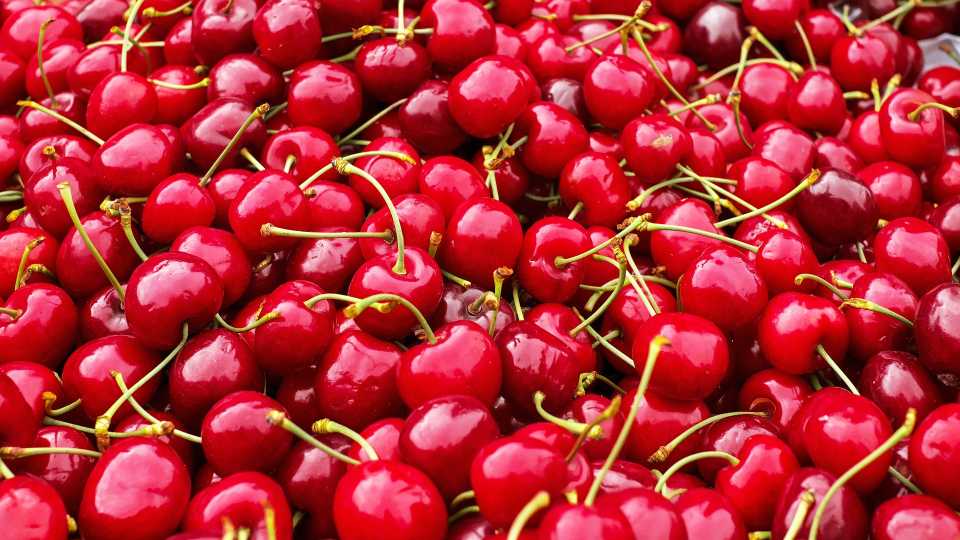
Is the U.S. Cherry Market at Risk? Expert Lends Analysis By Mike Zawacki|March 27, 2026 Industry veteran Welcome Sauer warns rising Chinese production and shifting export markets are destabilizing cherries in the PNW.Read More
The Hidden Margin Leak Between Projected and Actual Harvest Dates By Muhammad Abdullah, Folio3 Agtech|June 2, 2026
New Round of USDA Aid for Specialty Crops Good News for California Walnuts By California Walnut Commission|June 1, 2026
Why Every Farm Can Benefit from a Succession Facilitator By Dr. Shane Conway|March 19, 2026 Early, guided discussions help farm families align expectations, reduce conflict, and build a practical roadmap for transition.
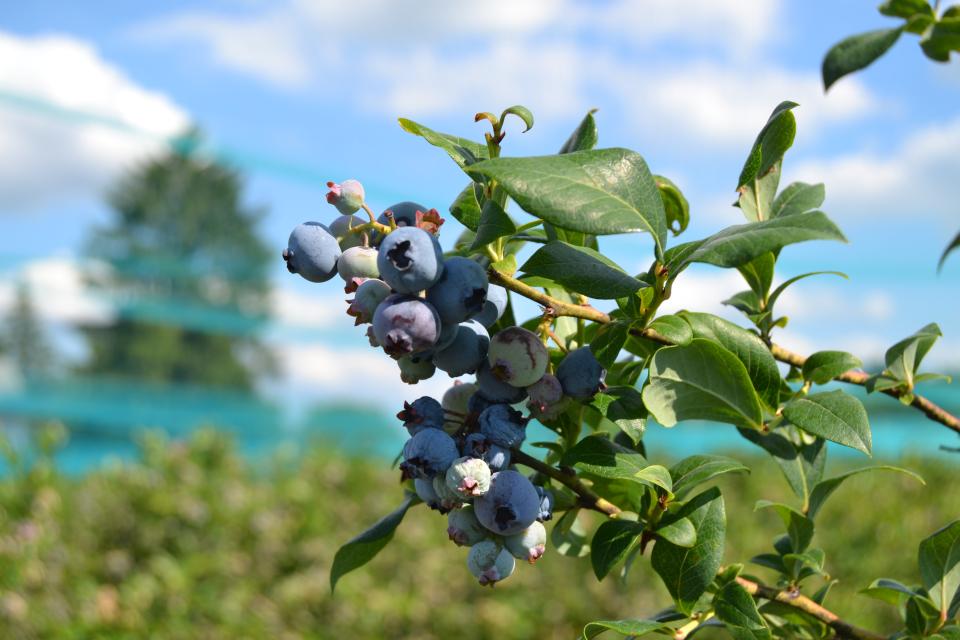
Analyzing the Growing Importance of Blueberry Germplasm By John R. Clark|March 16, 2026 Public berry breeders, facing reductions in their programs, need to be supported and compensated.
Momentum Grows To Open Japanese Market for U.S. Potatoes By National Potato Council|March 12, 2026 National Potato Council applauds congressional push to prioritize opening Japan’s market to U.S. fresh table stock potatoes.
Cracking the New Economics of Almond Production By Matt Woolf, Terrain Ag|March 11, 2026 Rising almond prices have been met with even higher costs, pushing break-even timelines and price thresholds to levels that demand a sharper focus.
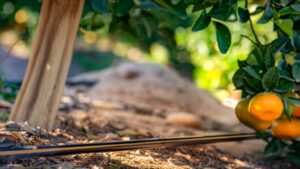
Marking 60 Years of Drip Irrigation Innovation By Naty Barak, Netafim USA|March 10, 2026 Six decades in the making, here is what drip irrigation means for your orchard’s water, yield, and risk.
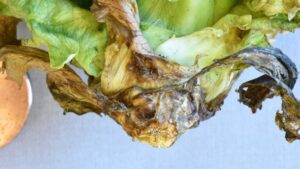
How To Distinguish Weather-Related Crop Injury From Disease By Steven T. Koike, TriCal Diagnostics|March 9, 2026 Dealing with extreme weather damages in your vegetable crops? Learn how to tell the difference between weather-related injury and disease symptoms.
Exploring Deep Sea Solutions for Better Plant Health By Andres Reyes Gaige, Acadian Plant Health|March 8, 2026 Learn how to advance stress tolerance for plants through seaweed-based biostimulants.
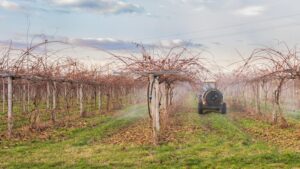
Expert Insight on Controlling Alternaria in Almond Orchards By Jared Hajik, OrCal|March 7, 2026 Growers should monitor their orchards from April through June, when environmental conditions are most favorable for disease development.
How IRAs Can Help Farmers Nurture Their Nest Egg By Kevin Burkett|March 6, 2026 A traditional IRA can be an excellent way for growers to save more toward retirement.
Here’s What Resilience on the Farm Really Looks Like By Anna Littman|March 4, 2026 Two natural disasters nearly ended my farm. Here are the decisions and relationships that kept it profitable and moving forward.
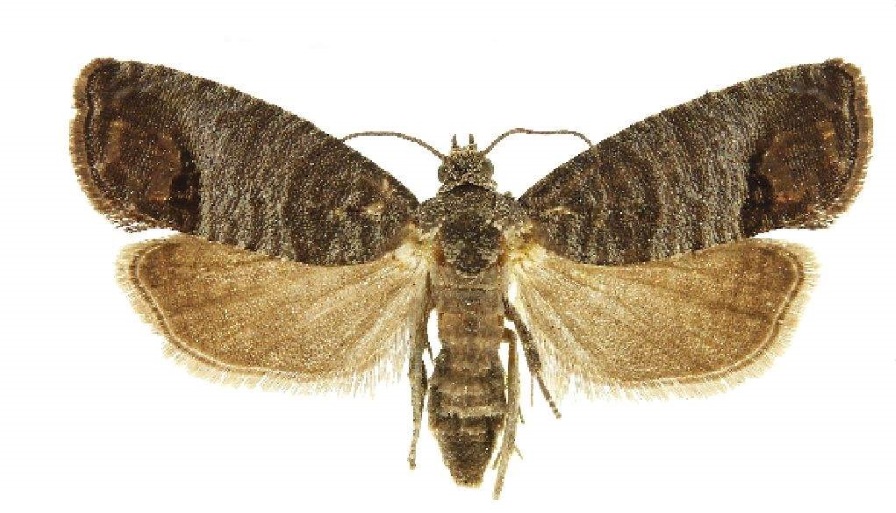
What To Do When Fruit Harvest Bins Become Codling Moth Havens By Mike Zawacki|March 4, 2026 Learn how bin materials impact codling moth populations and discover expert strategies for monitoring and mitigating late-season emergence.
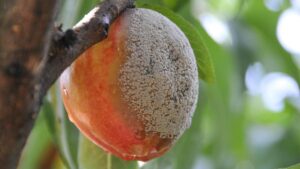
Crop Protection Tools To Fight Blight in Peach Crops By Douglas J. Guth|March 2, 2026 Southeastern peach growers weigh options to combat blossom blight and brown rot.
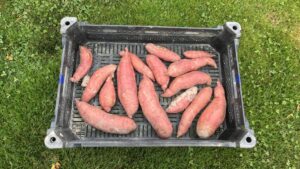
Growing Sweet Potatoes in the Pacific Northwest By Carol Miles|March 2, 2026 As the climate shifts, sweet potatoes are emerging as a viable, in-demand crop in Northwest Washington.
What Really Determines Transition Success on the Farm By Dr. Shane Conway|February 23, 2026 Take a closer look at how family politics and identity shape whether partnerships and transfer plans actually function.
5 Ways to Reduce Workers’ Compensation Claims on Your Farm By Josh Smart, HUB International|February 21, 2026 To help ease the pressure of potential workers’ compensation claims, growers can start by addressing safety and promoting wellbeing.
Expert POV: Biopesticides in Crop Production Now and Later By Nathan Kemp, Rovensa Next|February 19, 2026 The current landscape of biopesticide usage is fruitful as well as the future outlook.
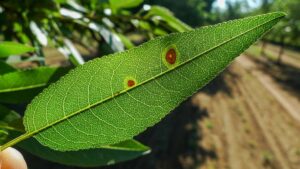
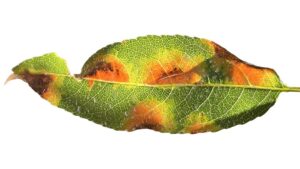
Why Almond Growers Need To Watch for Red Leaf Blotch By Rodger Belisle, Syngenta|February 18, 2026 Timing is key in the management of red leaf blotch — California’s latest almond disease threat.
7 Ways Farmers Can Best Protect Their Credit By Hudson Badskey, Nutrien Financial|February 17, 2026 The best way to manage your credit is by responding to cautious lenders with strategy.
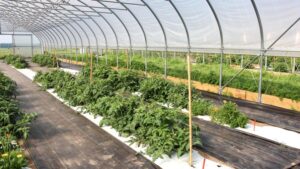
Getting the Most Out of Growing Tomatoes in High Tunnels By Dr. Vern Grubinger|February 16, 2026 Explore where modest, targeted investments tend to separate high-yield tomato tunnels from the rest, based on a regional grower survey.