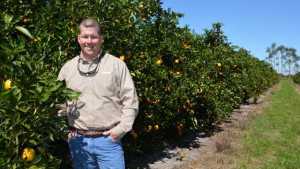
As HLB runs rampant, everything is on the table for Scott Lambeth when it comes to disease mitigation.
Labor issues aren’t going away, but mechanized harvesting improvements are helping to ease the problem for more growers and more crops.
For Dan LaGasse and Scott VanDeWalle, their partnership forged in steel creates efficiencies and drives profits.
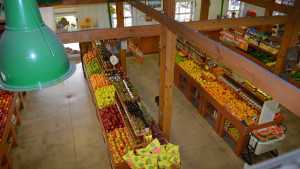
Break down barriers with proven ideas to put your produce in front of consumers.
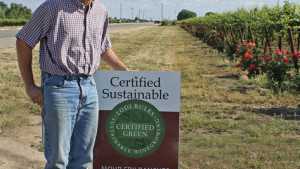
Mohr-Fry Ranches one of first vineyards to join first of its kind third-party certification in the country for grape growing.
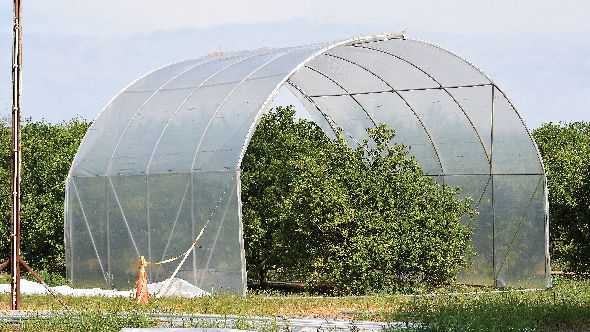
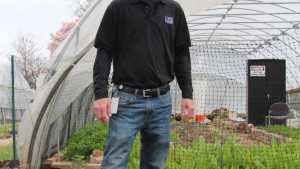
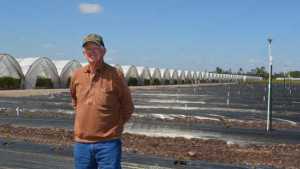
High tunnels are a growing niche, providing growers with high-quality produce, a competitive edge in market arrival time, and a more sustainable and efficient use of inputs.
Florida Citrus Mutual’s Mike Sparks managed a years-long quest to obtain significant research dollars for the state’s signature crop.
From plenty in the East to next to none in the West, water will be the defining issue of 2014.
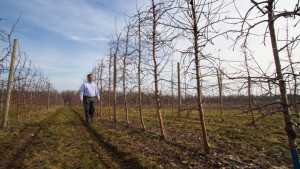
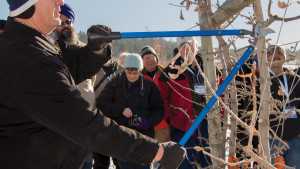
Cornell University’s outspoken advocate of the tall spindle system says high-density plantings can maximize the economic potential of your business.
High tunnels help Alto Straughn push earliness and yields of his crops to new levels.
A Wisconsin sweet corn, potato, and snap bean grower employs strategies to reduce its carbon footprint while meeting customer needs.
Discussions at annual convention include producing 100 bins per acre, best growing systems, and new technology — all to help improve orchard performance.
Company steps up to stake a claim in the future.
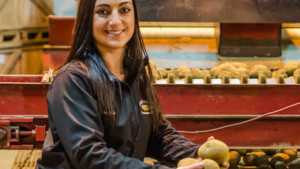
Sara Corey of Daniel Corey Farms is taking charge at her family’s 1,000-acre potato operation and paving a way for young, female growers while she’s at it.
The new chief of USApple, Jim Bair, sits down for a Q-and-A.
Willingness to try new technology and working with quality people take the diversified Florida farming operation to new heights.
Brothers started selling pumpkins grown in an over-planted garden and now have their sights set on export markets.
Erik Jertberg fears the disconnect from food to fork and how it feeds the disconnect of ballot box and wallet. “Without an understanding of where their food comes from, and what it takes to get it there, our consumers will believe in an ideological standard when they vote, but purchase the food for their table based on a free market economics standard,” he says.

Lake Okeechobee’s troubles return the spotlight on the Sunshine State’s precarious relationship with a precious resource.