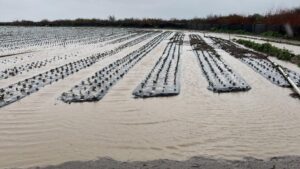
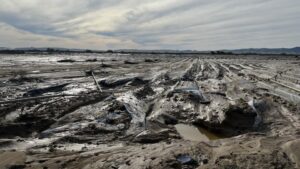
Prolonged flooding has potentially serious disease impacts beyond food safety.
Our industry contacts from around the country are keeping an eye on the weather and its current impacts on fruit and vegetable production.
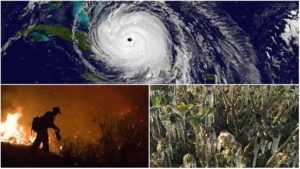
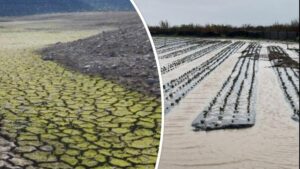
Mother Nature has been serving up a variety of wild weather lately around Florida; from extremely dry in some locales, to prolific precipitation in others.

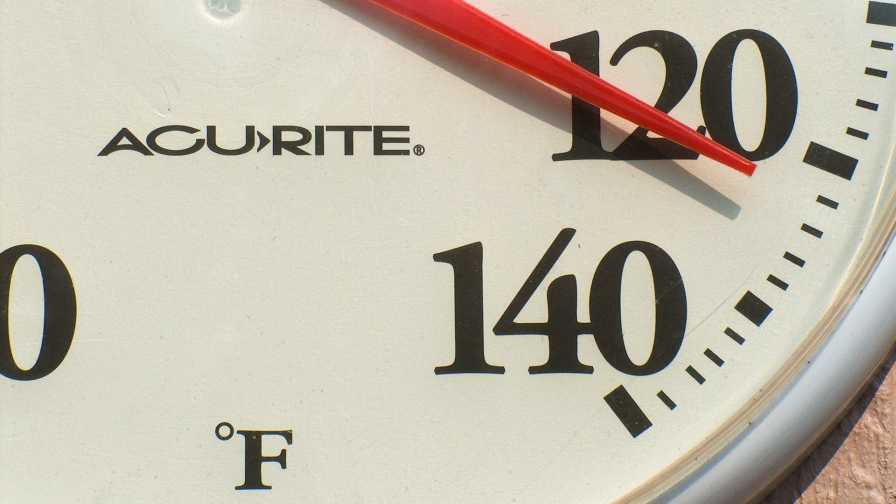
Long-range outlook includes record-breaking temperatures that might make this ‘the hottest summer in the last century.’
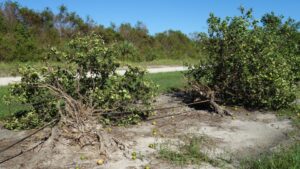
University of Florida researchers are looking for strategies to improve recovery and production systems more resilient to storms.
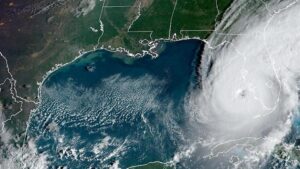
University of Florida economists refine damage estimate findings for monster storm. Find out which crops and commodities took the biggest hits.
Florida lawmakers introduce the Block Grant Assistance Act, a key piece of legislation that would ensure USDA can provide needed relief.
Tis the season for applying for crop insurance. Check out these useful resources to help protect your assets.
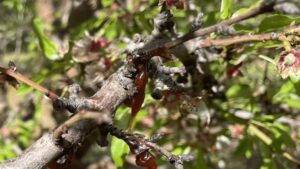
Got freeze-damaged trees? A University of Florida researcher explains what to do and not to do when it comes to pruning, irrigation, and fertilization.
Despite epic flooding from relentless atmospheric river events, the outlook remains positive for the industry.
NOAA’s annual climate report shows warming trend around the globe still going strong.
Late-year storm dumps copious rainfall across parts of the Sunshine State, adding to what’s already been an above-average campaign for precipitation.
With extreme weather becoming more extreme, growers should consider updating their insurance plans.
Heat wave trend continues in 2022 amid other meteorological extremes.
Researchers are examining whether the drought-tolerant succulent, which is a main component in the production of tequila, can be grown commercially.
Five documentary shorts detail how consumers will suffer because of drought cutbacks California farmers have been forced to make.
Calculations from new report conclude a steadily growing weather hazard will impact more than 107 million Americans by 2053.
New study shows building a more heat-tolerant plant starts with genes.
While some regions saw strong increases, growers in the Western U.S. lost crops to extreme weather.