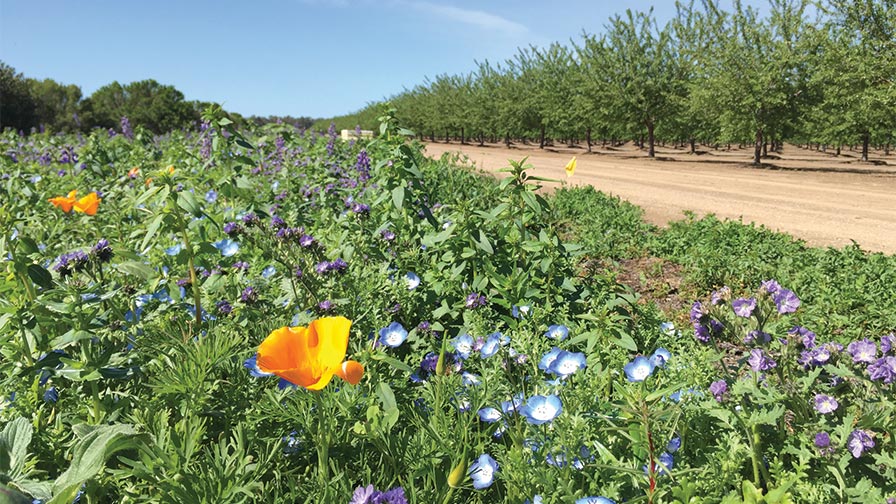
BeSure! Campaign Aims To Help Farmers Be Better Stewards By American Seed Trade Association|April 2, 2026 Annual BeSure! campaign for commercial ag producers is a seasonal reminder to protect pollinators, wildlife, and water quality.Read More
The Hidden Margin Leak Between Projected and Actual Harvest Dates By Muhammad Abdullah, Folio3 Agtech|June 2, 2026
New Round of USDA Aid for Specialty Crops Good News for California Walnuts By California Walnut Commission|June 1, 2026
The Most Valuable Pollinators to Boost Your Melon Yields By Michele Katsaris|March 3, 2026 Learn how strategic pollinator management can strengthen fruit sets and maximize melon yields.
Learn More About Blueberry Bee Protection Protocols By Oregon State University Extension Service|February 13, 2026 Oregon State University researchers offer guidance to control pests and disease while protecting vital bee populations.
New Research Shines Light on What’s Behind Honey Bee Losses Posted by Growing Produce Staff|June 5, 2025 Alarmingly high levels of viral infections and mite resistance among latest USDA research findings on 2025 honey bee casualties.
Watch for Improved Pollinator Habitats in California Citrus Groves By California Farm Bureau|January 19, 2024 $5 million grant from the California Department of Food and Agriculture to encourage more climate-smart farming practices in 11 counties.
Flower Shape Might Be a Big Player When It Comes to Pollinator Health By NC State College of Agriculture and Life Sciences|June 21, 2022 Learn more about a new study that shows the shape of flowers has the biggest effect on how parasites are transmitted to bees.
Cool! Varroa-Mite Resistant Honey Bees Better Suited To Survive the Winter Posted by Growing Produce Staff|April 8, 2022 Studies show a line of bees developed by USDA-ARS is more than twice as likely to make it through the cold months than standard honey bees.
Pome Fruit Pollination Strategy: Protect the Mason Bee By Dr. Maxime Eeraerts|March 15, 2022 Cardboard nest tubes reduce the infestation of kleptoparasitic mites in nest cavities of European orchard bee.
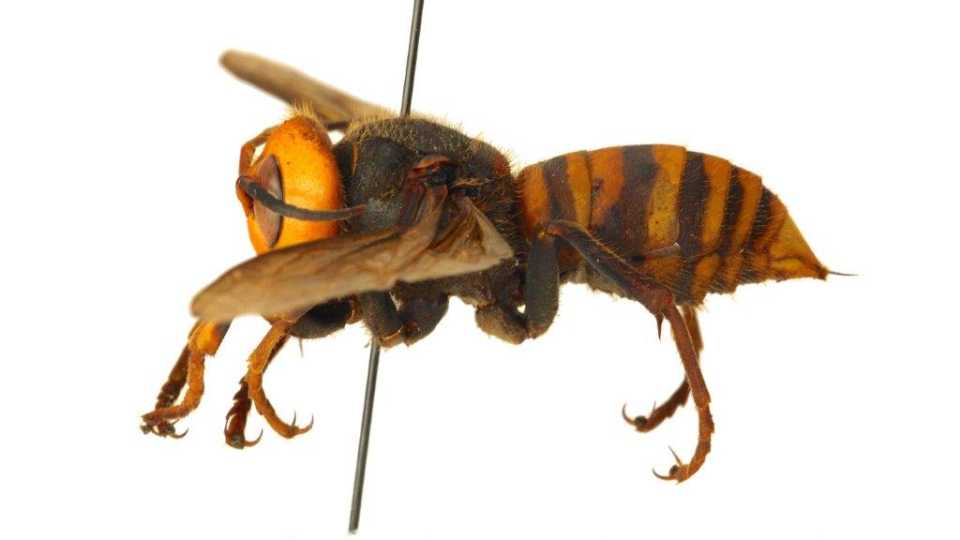
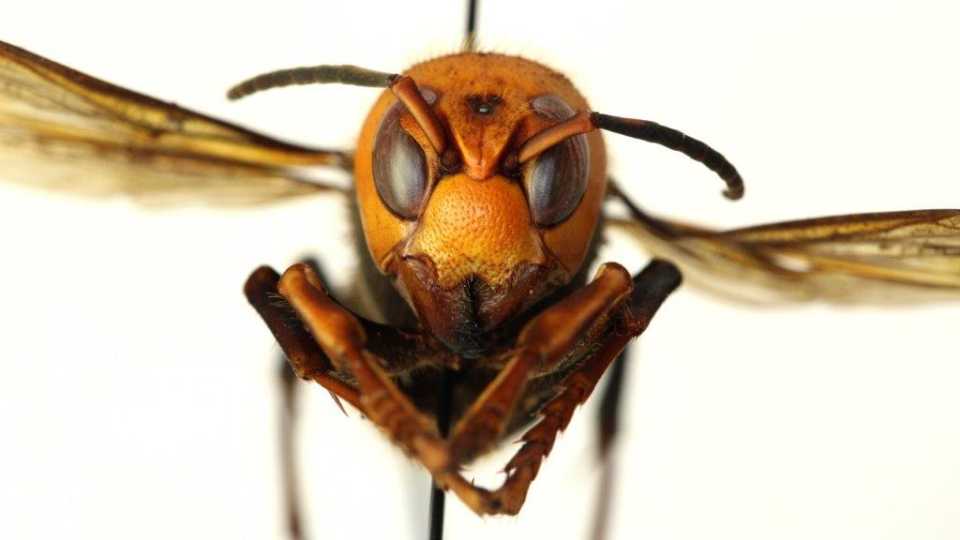
On the Fly! Scientists Unlock Secrets of the Asian Giant Hornet Posted by Paul Rusnak|August 7, 2020 Agricultural Research Service releases complete genome of the invasive hunter of honey bees. See how this scientific feat can help protect pollinators.
Bees Aware: Invasive ‘Murder Hornet’ a New Threat to Pollinators Posted by Paul Rusnak|May 4, 2020 The first-ever sightings in the U.S. of the world’s largest species of hornet have been reported, and these winged insects have it out for honey bees.
Can Mushrooms Help Boost Honey Bee Health? Posted by Christina Herrick|October 13, 2018 Researchers find that extract from fruitful fungus delivered significant declines in two viruses harmful to hives.
Time to Create Some Buzz for Honey Bees By Christina Herrick|October 6, 2018 Honey bees are facing a lot of challenges; not least is consumers’ indifference to their plight.
New Honeybee Lab in Florida Creating a Buzz By Frank Giles|July 23, 2018 University of Florida-run facility will tackle some of the biggest pollinator problems.
Fungicides During Bloom — the Pollination Paradox By Meghan Milbrath | Jacquelyn Albert|July 11, 2018 Practices that maximize productivity can undermine the pollination process, reducing profitability.
Researchers May Have Unlocked Key to Honeybee Management Posted by David Eddy|July 3, 2018 It’s all about having guts — and what they say about colony queens and workers.
Researchers Take Pesticides Out of Honeybees Posted by David Eddy|April 24, 2018 Washington State University scientists have created microparticles that could help save honeybees.
USDA to Investigate Honeybee Disease Controls Posted by Christina Herrick|April 8, 2018 $1M project to find new controls for varroa mites.
How “Bee Safe” Products Can Be Just the Opposite By Meghan Milbrath | Jacquelyn Albert|February 13, 2018 Once bees bring sub-lethal chemicals back to the hive, a spiral effect can lead to colony death.
Varroa Mite Researchers Talk High Infestations in Bee Colonies Posted by Carol Miller|August 23, 2017 In 2016, The New York State Beekeeper Tech Team (which is attached to Cornell University’s Dyce Lab Beekeeping Resources) […]
USDA Invests $6.8 Million for Pollinator Health Posted by Christina Herrick|July 9, 2017 Projects focus on colony losses, pollinator habitats, and increase pollinator populations.