What’s your favorite fruit? There’s much to learn when postharvest scientists in the know share theirs from research and consumption standpoints.
Led by new co-directors, postharvest is anything but an afterthought at UC Davis’ reinvigorated Research and Extension Center.
Postharvest industry suppliers weigh in on the new food safety rules and what they mean for producers.
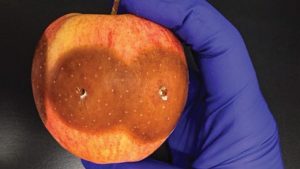
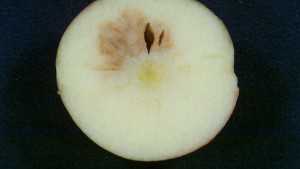
The risk is nonexistent for fresh-market apples but could be found in apples destined for processing or hard cider.
Carolina Torres starts as first-ever Endowed Chair in Tree Fruit Postharvest Systems post on Feb. 1 and will oversee research on fruit stress, physiology, and postharvest practices.
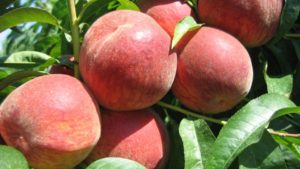
Peaches are notoriously difficult to cold store, and storage disorders can develop when peaches are stored improperly.
Ozonation is a terrific technology with tremendous benefits in ensuring the safety of fresh fruit, but it’s not a “silver bullet.”
The natural bacterium found in soil can survive in cold storage; this promising biocontrol offers an alternative to chemical treatments.
Global Cooling Inc. has introduced a new portable precooler – the Jet-Ready Precooler. The Jet Precooler is a […]
Team aims to develop tools to predict, detect microbes in stored apples and pears.
Food waste is largely dictated by limiting produce standards.
EPA approved Fysium, a new 1-MCP product from Pace International LLC. Considered new technology, this product is produced […]
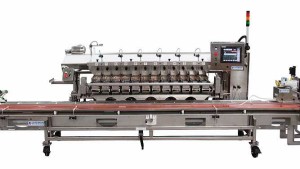
Lakewood Process Machinery’s equipment offers a simplified user interface, minimized drop heights, a new dribble-gate system designed for an increased level of accuracy.

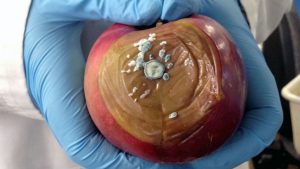
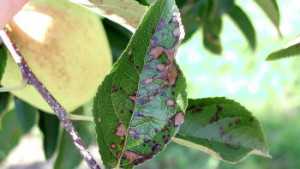
Conditions lately have been ripe for fungi fiasco.
Co-designer to present application and ethylene analysis at meeting.
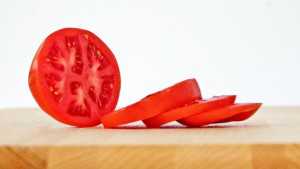
The new technology helps vine-ripened tomatoes stay fresh from farm to table.
The unit is designed to remove pesticides, pathogens and decay-causing organisms from fruits and vegetables to extend shelf life.
Concerns about ethylene depend on the commodity, the temperature, the ethylene concentration, and the exposure time.
Randy Beaudry of Michigan State University offers three different strategies to prevent controlled atmosphere injury.