Skins of the fruit key to sustainability strategy for both companies.
Web-based resource provides specific details and production information on more than 20 crops.
Cooperative Extension, now celebrating its 100th anniversary, plays a critical role in the ag industry.
University of Florida team hopes compounds can one day be taken to the grove.
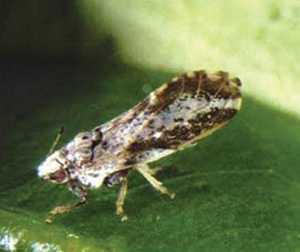
What do a tree, a psyllid, the greening bacterium, and a wasp have in common? According to University of Florida researchers, a lot.
The maps from the study show the distribution of certain chemical elements and minerals in soil across the U.S. providing growers more insight on soil composition.
Florida specialty crop producers stand to benefit from many funding-fueled provisions included in the law.
Field trials are next step in the process to identify quality cultivars.
UF/IFAS researchers harvesting helpful firsthand feedback to develop sustainable production systems.
The passing of multiple monetary appropriations for further research indicates the industry is still a top priority to state lawmakers.
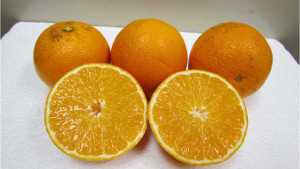
An easy-peel mandarin and a unique navel orange-like variety headed for Fast Track release option.
Report gives general public details about how HLB is putting a stranglehold on the Sunshine State’s signature crop.
Newly released rootstock selections offer producers a foundation of hope for the future.
Calvin Arnold was recently named director of the Southwest Florida Research and Education Center in Immokalee, returning to the same post he held from 1985 to 1995.
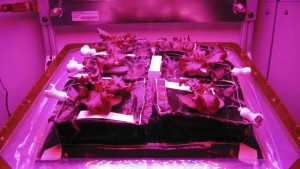
The plant growth chamber filled with living lettuce uses LED lighting and intends to help expand in-orbit food production capabilities.
Scientists compare biochemicals in GM foods and compare them to non-GM counterparts finding little difference between the two.
Six top researchers from around the globe present life’s work at Cornell In-Depth Fruit School, address future of research.
Farm Bill funding will help strengthen surveillance, detection, and mitigation of invasive species.
“It’s inspiring to see the growers working together in both Washington and Michigan to fund cutting-edge research, investing in their future— something fruit growers in other states should consider.”