


Get To Know 8 Rock Star Vegetable Seed Breeders
 November 6, 2024
 Advancements in ag research are allowing talented vegetable seed breeders to shine at what they do. Here are several plant breeders from leading vegetable seed companies you should know making names for themselves and their varieties.
Doug Heath, Tomato Breeder, Bejo Seeds, Inc.
Heath has been influential in breaking the linkage drag between Fusarium 3 and bacteria susceptibility. This breakthrough has been instrumental in the success and development of Bejo’s tomato varieties in the East. A 12-year Bejo veteran, Heath has also developed hybrids for the East with high resistance to tomato yellow leaf curl. Several new sources of bacterial field tolerance are also now emerging and being introgressed into elite germplasm. He has also been able to develop extra-large tomato varieties with high firmness, great color, and flavor like some indeterminate hybrids (such as ‘Carole’) without compromising on the Bejo disease package.
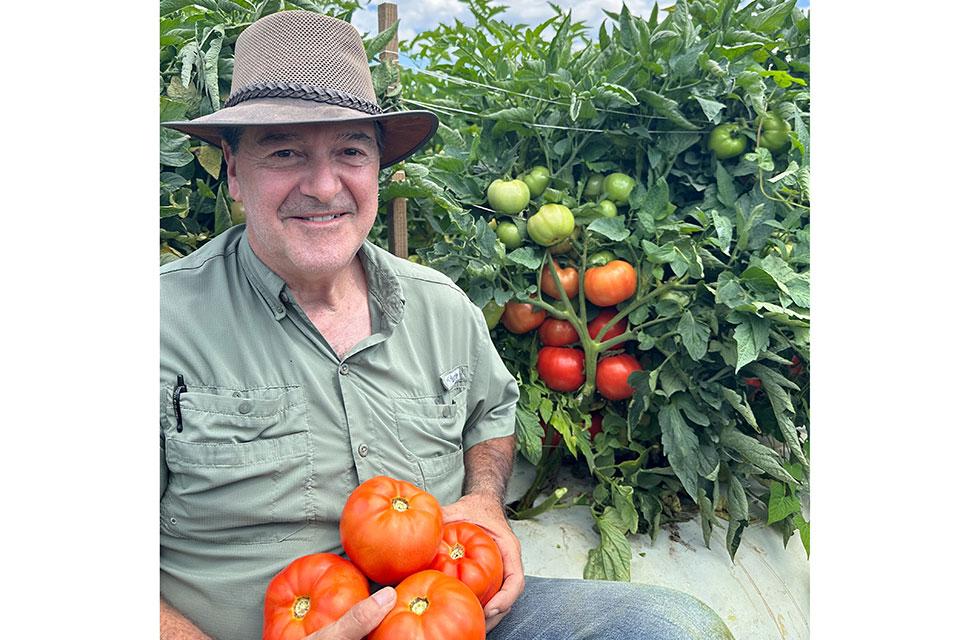
Doug Heath
Laura Brown, Senior Watermelon Breeder, Enza Zaden U.S.
Laura Brown has transformed the industry with her innovative hybrid varieties. Through her work, she has introduced remarkable watermelons with dark mottled stripe rinds, including the popular ‘Cracker Jack’, ‘Rio Grande’, ‘Red Garnet’, and ‘Big Jack’. These hybrids are celebrated for their vibrant appearance, enhanced flavor, and robust performance across the U.S. Brown’s dedication to advancing watermelon genetics has provided growers with improved yield potential and resilience. Her breakthroughs continue to shape the future of watermelon cultivation, benefiting both farmers and consumers alike.
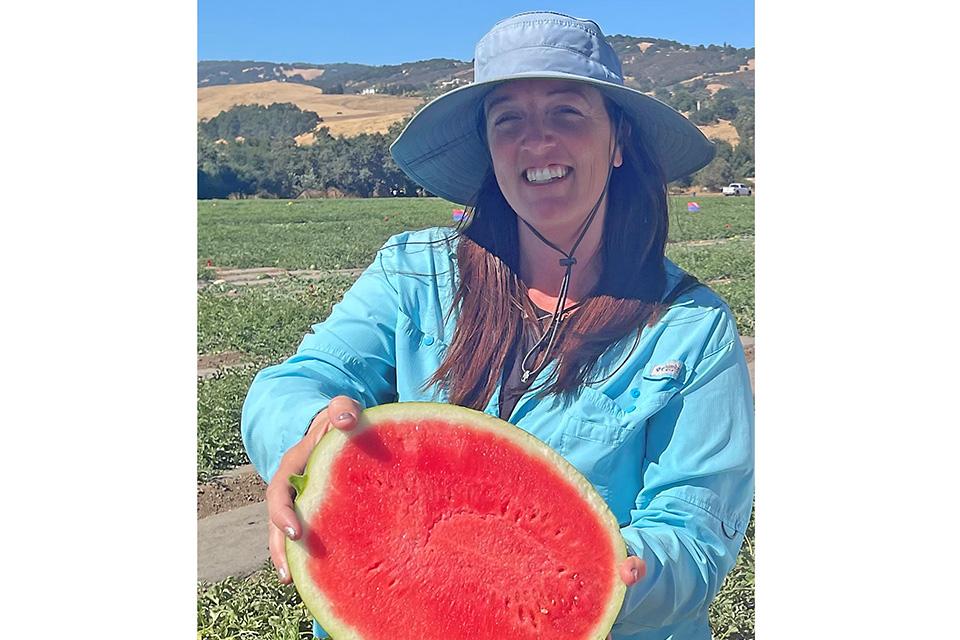
Laura Brown
Ian Thompson, Watermelon Breeder, HM.CLAUSE
Thompson joined HM.CLAUSE as a watermelon breeder after completing an HM.CLAUSE-sponsored PhD in 2019. Since then, Thompson has refreshed the genetics and processes of HM. CLAUSE’s global breeding program by simplifying methodologies, enhancing data collection, and integrating genomic selection. Over the past five years, Thompson has visited key growing areas and engaged with customers to better understand and address their needs with our program. We are beginning to see the impact of his work with successful introductions in the U.S. triploid/seedless pipeline, including the launch of ‘Eleanor’ in 2023, the upcoming launch of ‘Honeycutt’ this fall, and additional varieties on the horizon.
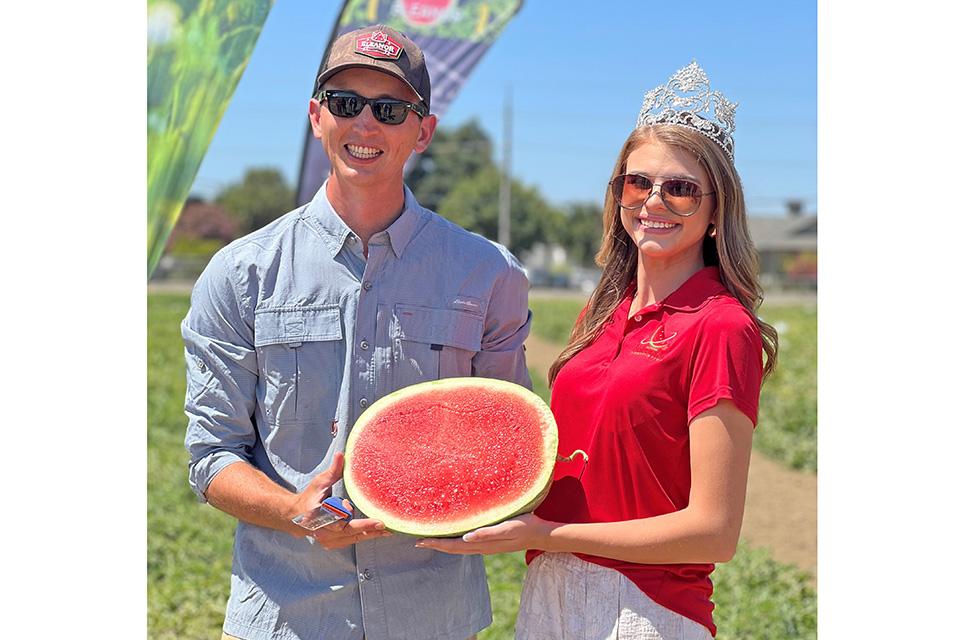
Ian Thompson with National Watermelon Queen Jules Singley and watermelon ‘Eleanor.’
Charlie Dowling, Iceberg- Lettuce and Baby Greens Breeder; Yaojin Peng, Romaine Lettuce Breeder, Vilmorin Mikado USA
Dr. Dowling has elevated baby greens to another level. His work on wild rockets, kales, and hybrid has seen significant market share due to his innovative approach to disease breeding.
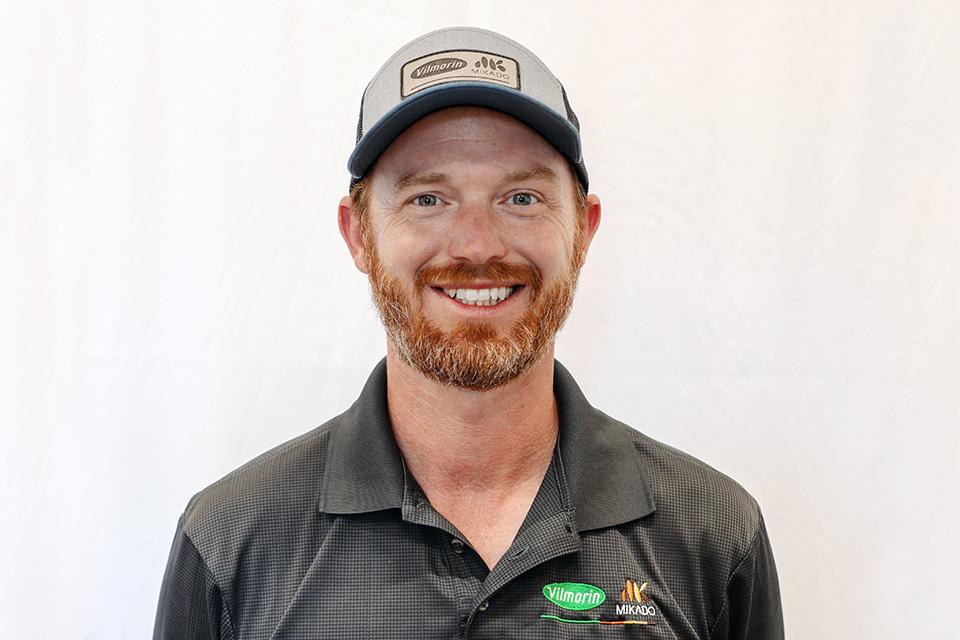
Charlie Dowling
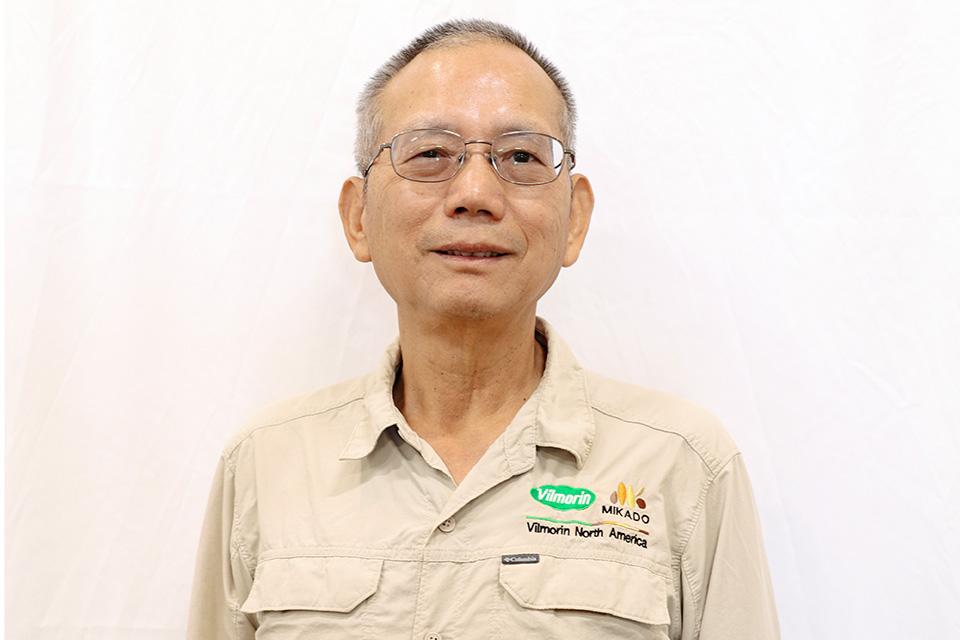
Dr. Peng has been revolutionizing the romaine market for decades. His varieties span global use, and his knowledge of the product is top tier in the industry. His current lines, most notably ‘Bluerock’, show adaptability all over North America.
Yaojin Peng
George Crookham and Bruce Hobdey, Sweet Corn Breeders, Crookham Company
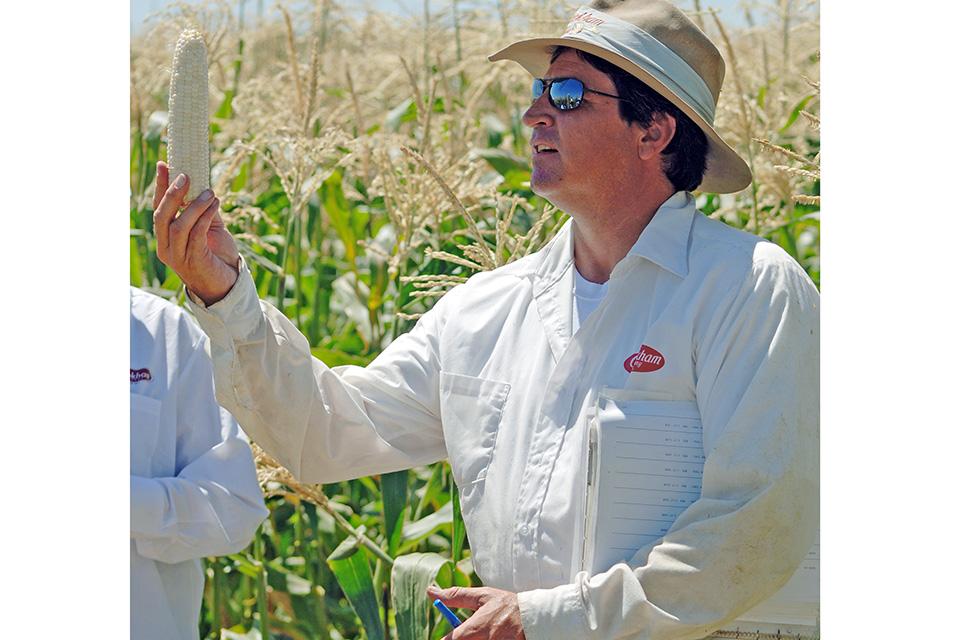
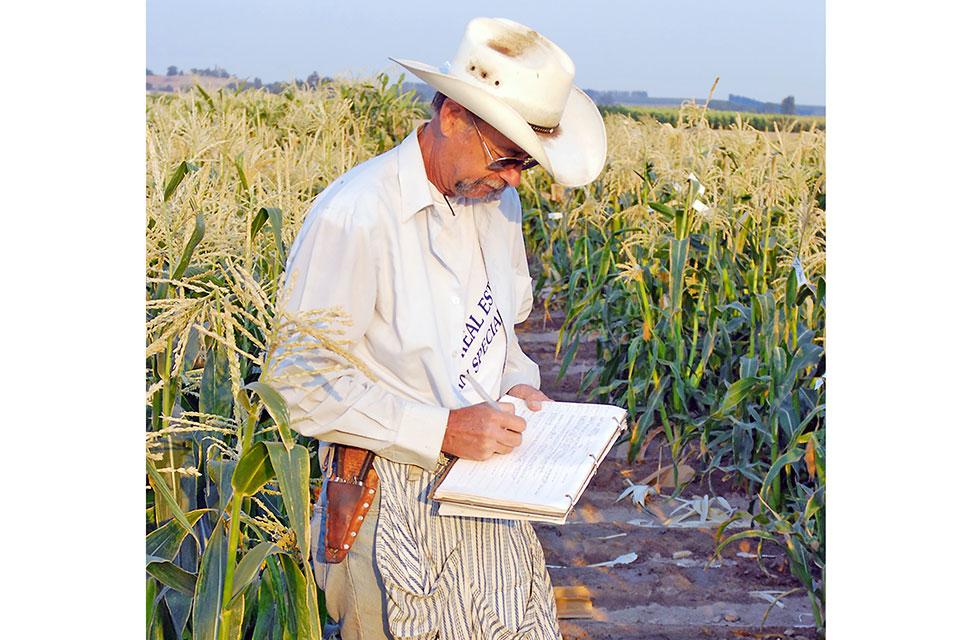
In 2000, George Crookham and Bruce Hobdey stood in an inbred development field of over 100,000 individual plants. “We were going through it row by row and plant by plant when I came across this little plant with a beautiful little white ear at about 3-inches long. I tasted it and then shared a taste with Bruce. We both agreed that the bite and flavor was extraordinary. The plant and ear size had a lot going against it, but that little ear was distinct in taste. After a good deal of hooting and hollering we kept our ears and went to work. Twenty years later, ‘Nirvana’ and ‘Eden RMN’ hit the market, and it all started from one little ear, on a homely plant.
George Crookham
Crookham Company has a long tradition of being ‘boots on the ground’. “My great grandfather would ride his horse from farm to farm asking farmers about interesting seeds in Iowa. When he moved with his wife’s family to Idaho, he discovered a perfect seed growing region and started Crookham Company with that same diligence. It took twenty years to create a grower friendly plant from that little ear we found in 2000.” Crookham worked with Bruce Hobdey and Dustin Batt through this process. Dustin Batt explains, “One of my favorite places to be is in our sweet corn nursery or at trials. This is where it all starts. The creative process of having a broad perspective and narrowing that into something the consumer wants to consume, and the grower wants to grow, is challenging and rewarding.”
About 10 years into the 20-year process of what is now called the “Nirvana Series”, the breeding team decided to pull in the new sh2i gene. “The benefits of the sh2i gene are undeniable. It’s getting the breeding mix right so that these benefits mix well with the existing traits of the established hybrid.” Attention to detail in the nursery and in trials again played a role in bringing this mix about. “One of the best days in my breeding career was finding that tasty little white ear. A close second is when the sh2i merged into the Nirvana series and complimented it without compromising it. It almost felt too good to be true, so we trialed and tested it for years.”
Bruce Hobdey
For Crookham Company the culture of diligence and industriousness has paid off. “As dirt breeders, we understand there is a certain amount of luck involved. But luck isn’t going to happen if you’re not there to see it and have the experience to know what to keep.”
Les Padley, Squash – Breeding Project Lead, Syngenta Vegetable Seeds
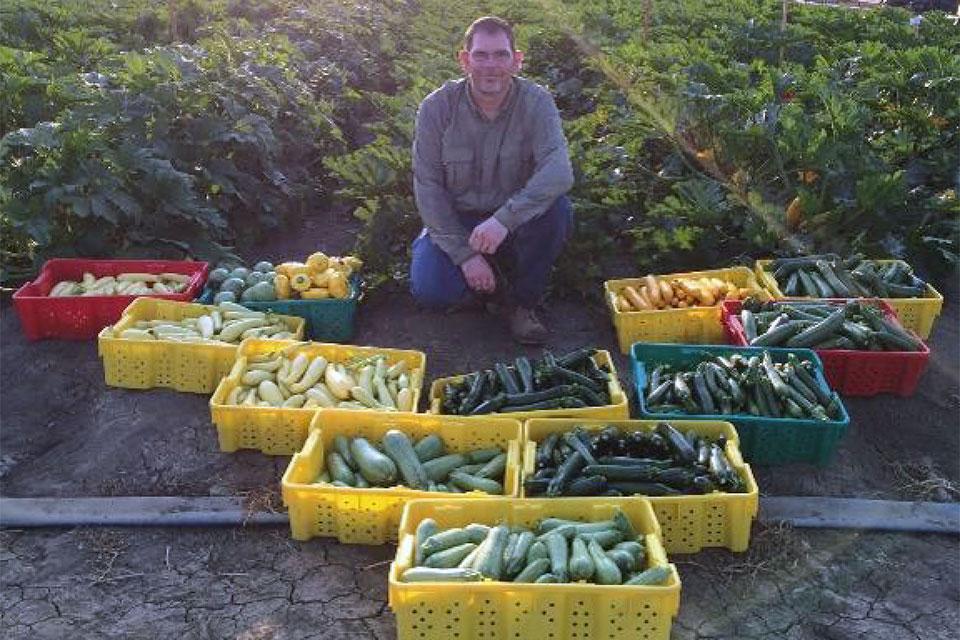
Syngenta’s ‘Fortress’ squash variety represents a significant breakthrough in downy mildew resistance. This innovative variety offers robust protection against the devastating fungal pathogen Pseudoperonospora cubensis, which has long plagued squash crops worldwide. ‘Fortress’ combines advanced genetics with traditional breeding techniques to create a highly resilient plant that maintains excellent yield potential and quality.
Les Padleyav
Top features of ‘Fortress’ include: Intermediate resistance to downy mildew; improved crop reliability and consistency, even under high disease pressure; maintained fruit quality and yield potential comparable to susceptible varieties; potential for significant cost savings for growers by reducing crop losses and treatment expenses.
Subscribe Today For
