

Why Teamwork Matters More at Great Lakes Growers
 November 5, 2025
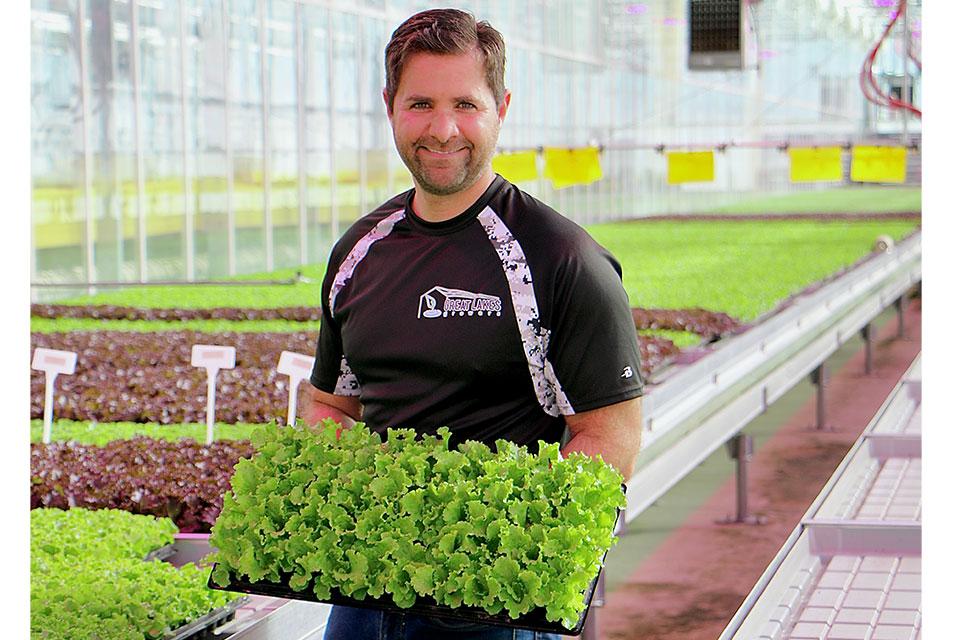
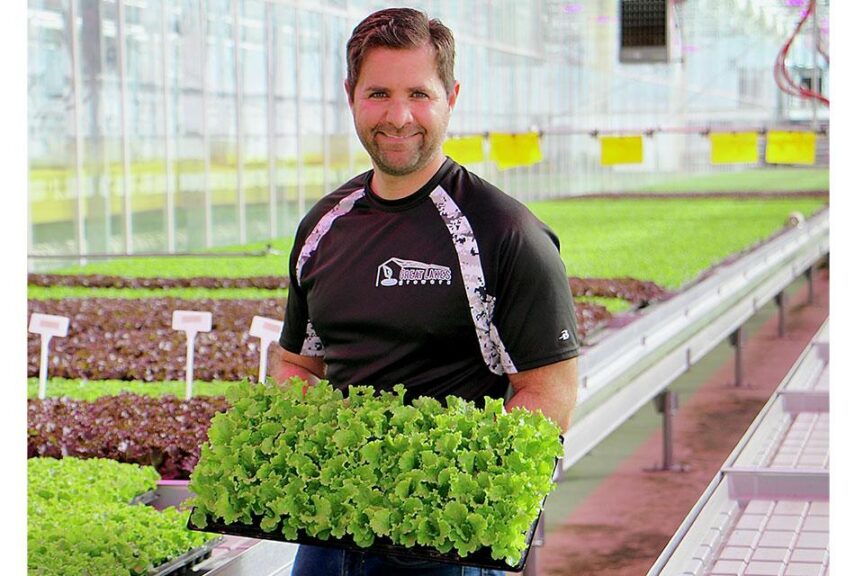
On a stormy Ohio night not long ago, a tornado crossed the road near Renato Zardo’s house and raced toward the greenhouse where he works. Zardo got in his truck and followed the storm’s wake, moving downed limbs off the road to get there faster. He wanted eyes on the structures, on the crop, on the team.
View all
“It’s different when you’re a co-owner,” he says. “You get a 2 a.m. Sunday alarm and you go, because you’ve got skin in the game.”
Zardo is fairly new to ownership. A Brazilian native, he and his wife came to the U.S. to pursue graduate degrees. He’s worked with different protected crop growers and even a supplier along the way, building his reputation for excellence and generous leadership along the way. And earned his U.S. citizenship.
That reputation caught the attention of John Bonner of Great Lakes Growers, who tried to recruit him. When he asked what it would take, Zardo answered:
“I work with you, not for you.”
Two weeks later, Bonner returned with a partnership contract.
Since then, Zardo has continued to build his reputation, externally and with his team. He was surprised to learn an employee nominated him for the Grower Achievement Award. He’s the 2025 Central Region winner.
Let’s take a closer look at how he earned that reputation.
Show Respect to Earn It
To Zardo, respect is a verb, not just a concept. Set clear expectations, be consistent, and truly listen.
He starts his workday on the floor and stays visible (“Hard work always earns respect from people.”). By doing that, he shows he’s there with the team, not above it.
Even simple greetings asking about the weekend and the family are a signs of regard. The point isn’t small talk; it’s connection.
“Everybody likes to be part of the decision. Everybody likes to feel empowered,” Zardo says.
One of the more unexpected ways to honor his teams’ efforts is to cut underperforming workers loose.
“The culture of an organization is dictated by the worst behavior a manager is willing to tolerate,” he says.
If one person drags the team down — chronic lateness, constant early exits, building cliques — address it quickly. Coach if you can; but remove if you must.
Deliver on Your Promise
When Zardo joined Great Lakes Growers, he concentrated on identifying the sharpest challenges.
“You find what is the biggest hurt at that moment. The momentary pain is the worst pain,” he says.
Zardo looks for problems that make everyone’s day harder: a recurring disease hotspot, a bottleneck that slows orders, a scouting gap that causes late interventions. Solve one, win trust, then move the team forward.
But keep an eye on veteran workers’ dignity.
“Be careful not to make people feel foolish if you fix something fast. It’s not what you do, it’s how you do it,” Zardo says.
He also builds around personalities. Some thrive in cross-functional roles; others excel solo. Place them where they can win. Earn the informal leaders’ trust and the group follows.
Share What Works Beyond Your Walls
“No man is an island. No greenhouse is an island,” Zardo says.
Zardo calls peers, breeders, and researchers to compare notes on pests, diseases, nutrition, and labor. He’s worked closely with The Ohio State University (entomology, lighting, crop strategies), Purdue University, labs in the Netherlands, and multiple breeders to scale good ideas out of trials and into production.
“You go faster alone, but you go further together,” he says.
Zardo shares lessons and expects discretion in return, respecting NDAs and keeping others’ details private. The goal is a rising tide, not headlines.
Universities can prove a concept. Commercial farms must prove them to survive seasons, labor realities, and markets. Zardo’s role is to connect the two.
“When you can replicate research at scale and send feedback, positive or negative, everybody wins,” he says.
He’s trialed pre-commercial genetics to confirm they can move from breeding benches to saleable volume, and he’s worked with suppliers to keep “snake oil” products from spreading.
“We test first, share results, then decide. Some products are great. Some are… not.”
Teaching “Horticultural English”
When Zardo arrived in the U.S. as an intern in 2008, he could order coffee but couldn’t follow a technical pest-control discussion.
“I took product labels home and read them. I learned faster because I could use it the next day,” he says.
A few years later he launched a social channel and live course to teach agricultural English technical vocabulary paired with practical greenhouse tasks. At its peak, the program reached roughly 45,000 to 50,000 followers across LinkedIn, Facebook, and Instagram, with 250 students meeting weekly.
“See it, do it, remember it. When you learn and apply immediately, you don’t forget,” he says.
Zardo has paused formal classes while running the greenhouse and raising two daughters, but he still posts short, practical lessons that blend language and crop science.
The Takeaway
Start with the pain everyone feels. Earn trust by showing up and protecting standards. Share what works, inside and outside your walls. Choose technology that prevents problems and proves ROI. And when you can, give your best people real ownership. That’s how you build a team that believes.
At a Glance: Great Lakes Growers
Owners: John Bonner; Renato Zardo and his wife Danielle Alicia Lillibridge, Kevin Bell
Year Founded: 2010
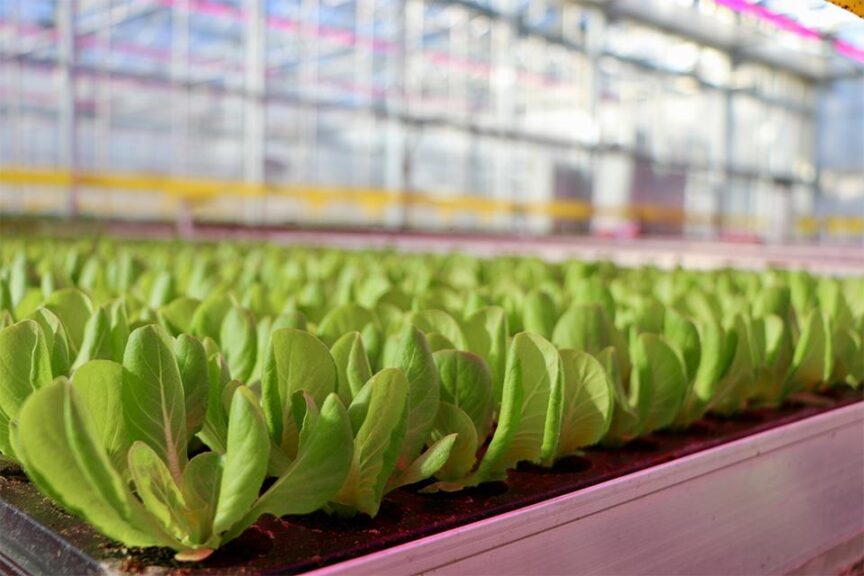
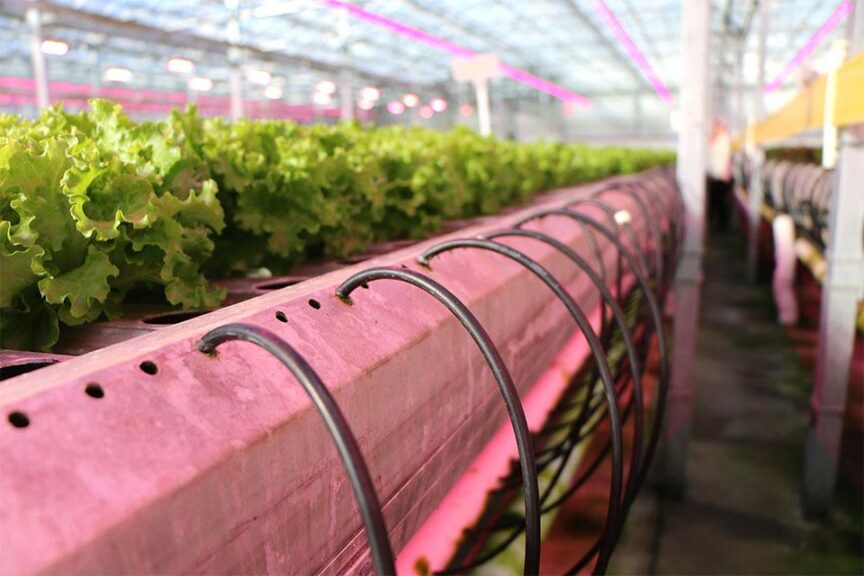
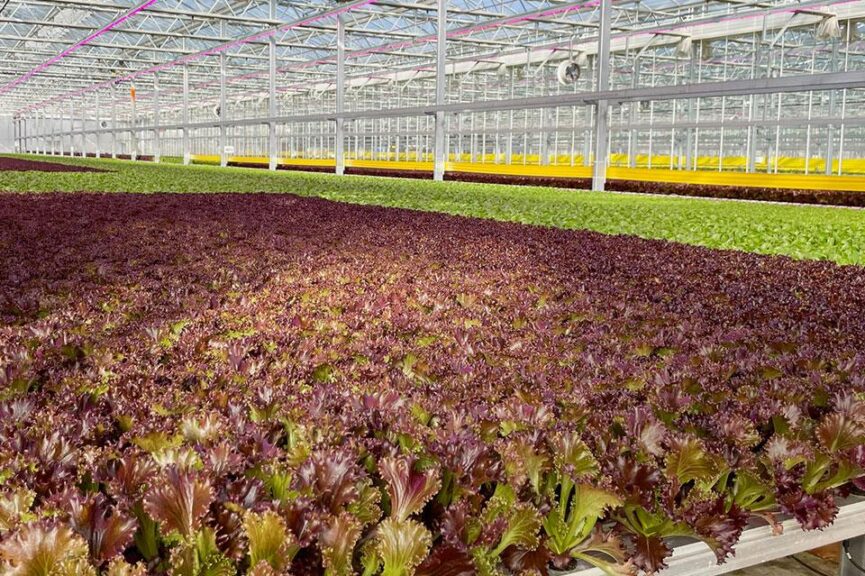
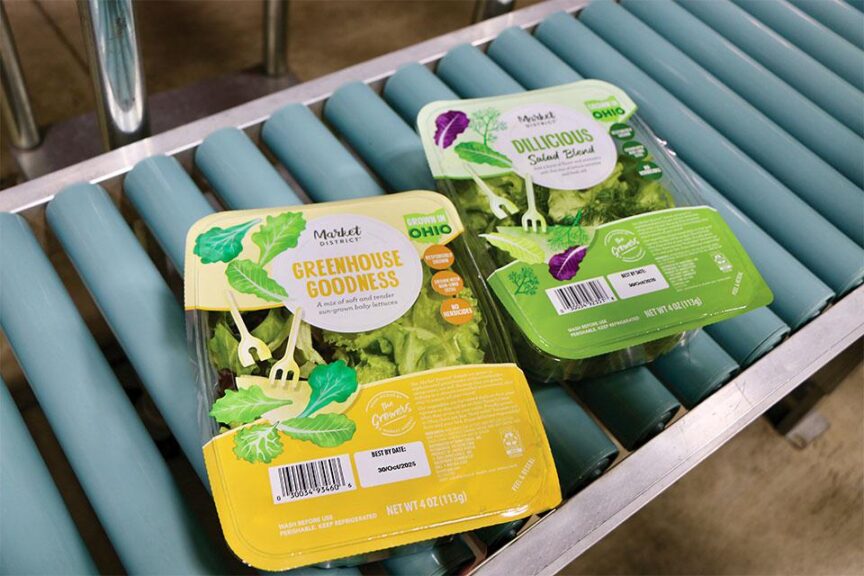
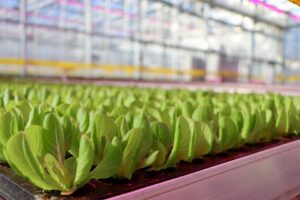
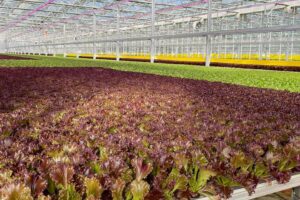
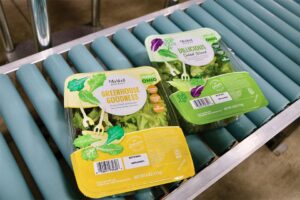
Crops: Living and fresh cut leafy greens; living and fresh cut herbs
Market: Focused radius of 2 to 3 hours: Cleveland, Pittsburgh, Detroit, plus some distribution centers and Canadian accounts.
Technology that helps (and how he decides)
New tools are exciting, but Renato Zardo, co-owner of Great Lakes Growers, filters them through two tests: Will this prevent pain, not just document it? And will it pay for itself in a greenhouse’s reality?
- See what eyes can’t. He’s piloting a camera system that estimates photosynthesis and stress signatures, including in low light. “If you show me a picture of damage, I already have damage. I want tools that warn me soon enough to prevent it.”
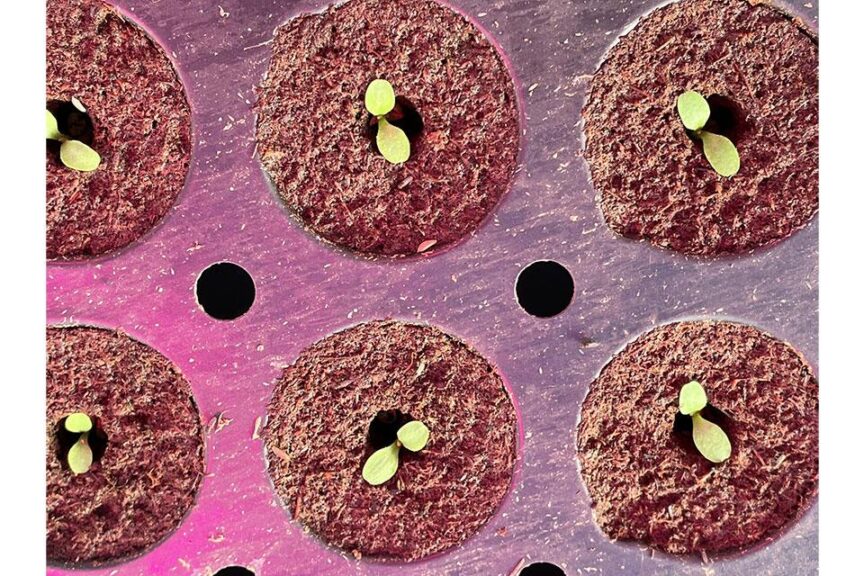
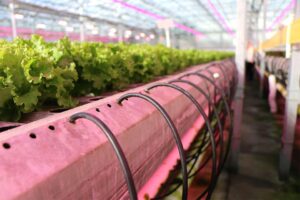
- Give plants what they need, when they need it. He’s testing tunable-spectrum LEDs that run different light “recipes” by growth stage. “A young plant doesn’t need what a finishing plant needs.”
- Be skeptical of one-size-fits-all software. After a two-year custom build failed to capture greenhouse complexity across crops, seasons, and legacy facilities, he reset expectations. “It’s not impossible. But if I’m still selling heads of lettuce, the savings must be real and near-term.”
- Demand hard ROI. “If a platform costs like a car plant, it has to save like a car plant. I can probably improve 10% to 20% with process, not 50% with software.”
Subscribe Today For