



Learn How To Diversify and Grow With These Alternative Crops
From the Pacific Northwest to the Southeast, many of the crops being explored aren’t entirely new — they’re proven performers in other parts of the country. But as growers look to diversify, improve margins, or respond to local challenges, these crops are gaining traction in regions where they’ve traditionally played a smaller role. We reached out to Extension agents across the U.S. and asked a simple question: “What new or “alternative” crops are you seeing farmers consider right now?”
The answers reveal a diverse mix — from niche specialty crops to commodities that are well-established in some regions but emerging in others. Would you grow these alternative crops?
Artichokes
Researchers are expanding artichoke production beyond California by improving growing systems and postharvest handling to extend shelf life and maintain quality. To adapt the crop to warmer climates, they use gibberellic acid to trigger bud formation without winter chilling, helping growers in regions like Florida produce viable yields. With production reaching more than 15,000 pounds per acre, artichokes offer a high-value opportunity while reducing shipping costs and postharvest losses tied to cross-country distribution.
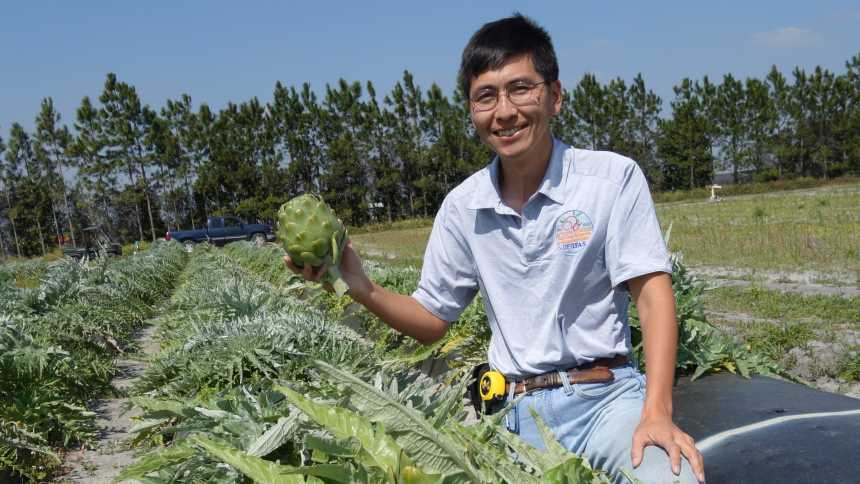
Shinsuke Agehara, a UF/IFAS Assistant Professor of Horticultural sciences, believes he can grow artichokes in Florida, despite the crop’s need for a cooler environment.
Photo courtesy of UF/IFAS
Sweet Potatoes
Growers in the Pacific Northwest are finding success with sweet potatoes by adapting production practices to cooler, wetter conditions, where well-drained soils are essential to support root development and avoid harvest challenges. To overcome temperature limitations, many are using plastic mulch and selecting suitable varieties to warm soils and promote tuber growth. With proper site selection and management, sweet potatoes are emerging as a viable, high-value alternative crop in regions once considered unsuitable.
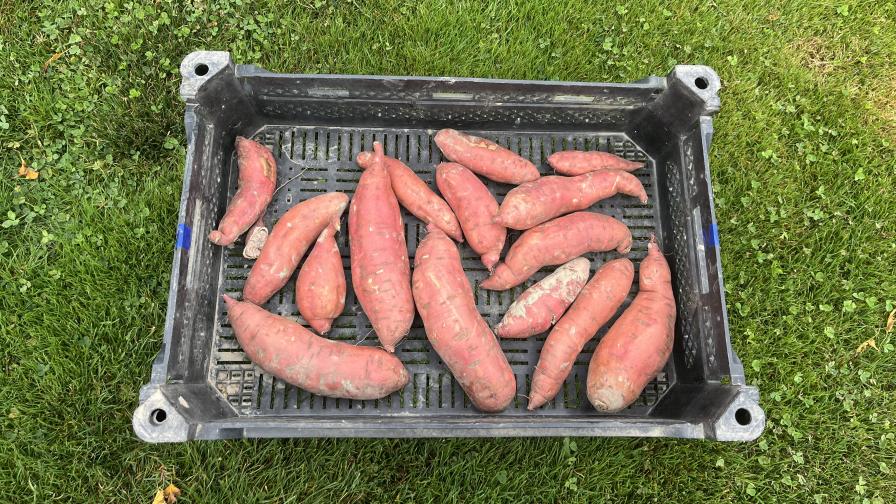
Sweet potatoes from research plots at Washington State University Northwest Washington Research and Extension Center.
Photo: Washington State University
Heirloom Beans
Heirloom indeterminate beans are gaining renewed interest in West Virginia as growers capitalize on their strong yields, adaptability to the region’s climate, and appeal in niche markets driven by flavor and heritage. These pole and half-runner types offer both fresh market and value-added opportunities, including frozen products for year-round sales, but labor-intensive harvesting has been a key challenge. Research from West Virginia University shows that modified, angled trellis systems can increase marketable yields by 15% to 35% while improving harvest efficiency and bean quality, helping make commercial production more viable.
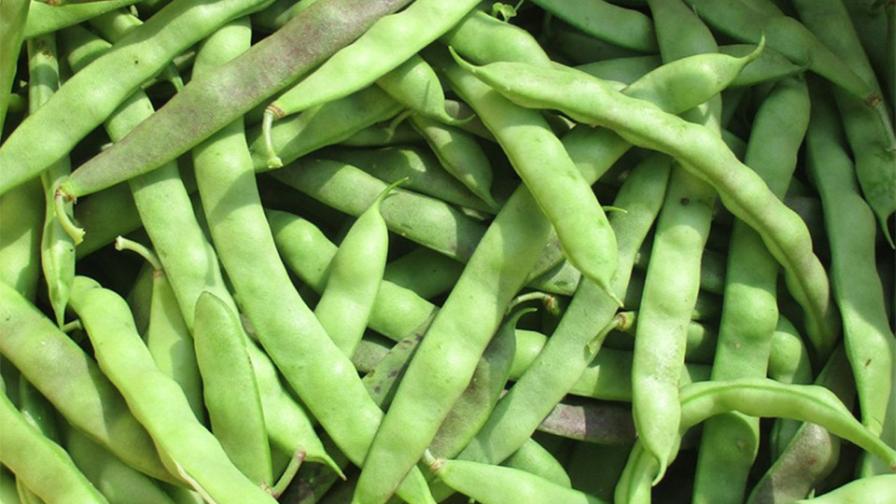
Heirloom indeterminate beans. (Photo: Lewis Jett, West Virginia University)
Asian Vegetables
Asian vegetables are gaining traction as a profitable alternative crop, driven by a growing U.S. Asian population — now more than 24 million — and increasing demand for fresh, locally grown options over lower-quality imports. Crops like bitter gourd, moringa, bottle gourd, and tomatillo offer strong yields, adaptability, and niche market appeal, with some requiring minimal pest management and producing reliably. Many of these crops are also versatile and fast-growing, allowing growers to target ethnic markets and direct sales channels while diversifying production and capturing premium pricing opportunities.

Moringa oleifera
Colorful Brussels
Traditionally grown in cooler regions like California and New York are beginning to gain traction in Florida as growers experiment with production during the state’s cooler winter months. While the crop requires careful timing and well-drained soils to handle warmer conditions, new varieties, including purple types, are helping boost market appeal and differentiate offerings. With proper management, Florida-grown Brussels sprouts present an opportunity to supply fresh, locally grown product during peak demand windows, reducing reliance on imports and opening a niche, high-value market for growers willing to adapt.
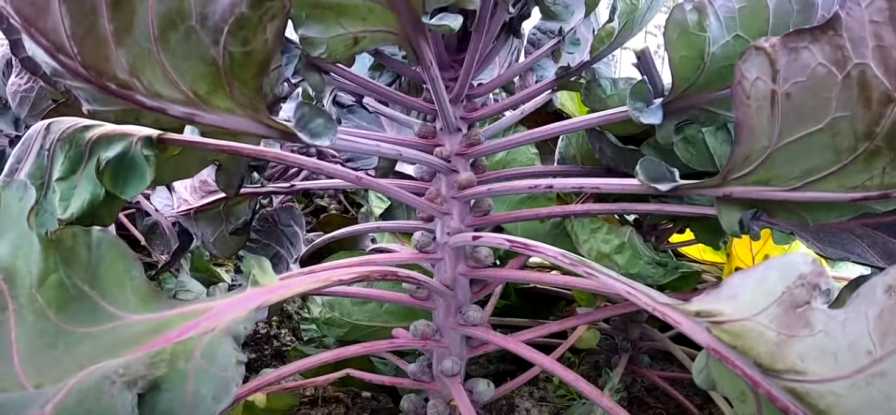
Purple Brussels sprouts. Image courtesy of First Coast News
RELATED CONTENT: Need Alternative Crop Ideas For Your Farm? Check Out These 10
Subscribe Today For
