Vegetables
Analysis of record-breaking 2010 cold spell yields hot leads about chilling effect on tropical bees in South Florida.
New snow melt records achieved during April.
Rule updates existing requirements for agriculture water management plans.
Responses indicate summer losses rival winter losses for second year in a row.
The funds are for programs to help underserved growers and ranchers to learn how to manage long-term risks and challenges.
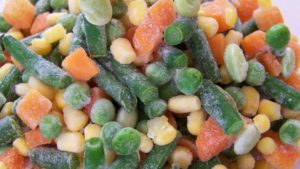
CRF Frozen Foods of Pasco, WA, is expanding its voluntary recall of frozen organic and traditional fruits and vegetables due to potential Listeria contamination.
The summer meeting is open to growers and industry leaders interested in advancing the potato industry’s most pressing policy debates.
President Dick Chamberlin will be retiring after almost 29 years of continuous service to the company.
Offering management information for five key potato-growing regions, the hotlines provide data on weather threats, disease pressures, and scouting.
A plant breeding expert details the scientific procedures required to bring GMO crops to market.
Michigan State’s Mary Hausbeck along with a multistate research team will work to enhance and refine early detection methods, allowing growers to identify the pathogen’s presence in the air — before it infects fields.
This time it’s a private strawberry breeding company, which says the statewide breeding program has been decimated by UC-Davis.
Program to develop strategies to reduce public health risks in food chain.
New varieties developed at the University of New Hampshire are the result of the longest continuous squash and pumpkin breeding program in North America.
Salad mix packaged at the company’s Ohio facility has been connected to four deaths.
All basins around the region experience rainfall deficits during April as totals fall far below average.
Portable equipment can help producers, including small and local farmers, get products to market quickly.
Many farmland protection options and tools have been suggested and used in efforts to slow the rate of farmland losses around the country.
Researchers develop a way to help select breeding lines that will yield cut lettuce with a longer shelflife.