Bactericide Breakthrough Sweet News For Florida Citrus Growers Posted by Paul Rusnak|September 8, 2016 Latest study shows injecting tree trunks with specialized chemical treatment effective in holding off HLB.Read More
How To Build a Wildlife Management Plan That Actually Works for Your Farm By Michele Katsaris|September 2, 2026
The Best Pole and Bush Bean Varieties You’ll Want To Grow Now Posted by Carol Miller|September 1, 2026
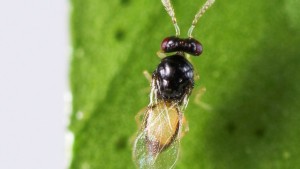
Parasitic Wasps Released In Fight Against Asian Citrus Psyllid Posted by Christina Herrick|August 30, 2016 Release in residential areas a proactive move against threat of citrus greening.
First Stab At Florida Citrus Production Predicts Dire Decline Posted by Frank Giles|August 15, 2016 Elizabeth Steger estimates crop will drop by 26%.
New Facility To Produce Natural Enemy Of Asian Citrus Psyllid Posted by Christina Herrick|August 2, 2016 Insect production greenhouse at Cal Poly Pomona to rear and study Tamarixia radiata wasp.
Marco Rubio Backs Bill To Save Florida Citrus Posted by Paul Rusnak|July 22, 2016 Senator co-sponsors measure that would provide growers with incentives to plant more trees.
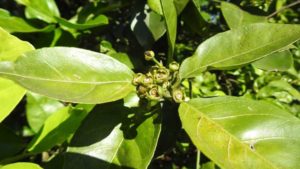
Florida Citrus Groves Under Siege From Postbloom Fruit Drop By Frank Giles|July 14, 2016 After years of laying low, this fungus-driven disease takes a big bite out of next year’s crop.
Can New Algorithm Help Solve Citrus Fruit Drop Dilemma? Posted by Paul Rusnak|June 30, 2016 Proposed research method improves accuracy of decay compared to previous studies.
Tree Cover Product Created To Help Fight Citrus Scourges Posted by Paul Rusnak|June 27, 2016 Unique protection for young citrus trees could help cut pest-control costs up to 50% in the first two years.
Scientists Find Sound Way To Trap Citrus Psyllids Posted by Paul Rusnak|June 3, 2016 By using acoustics, USDA researchers are able to lure HLB-carrying pests looking for love.
Yara International Pledges $100,000 To Support Florida Agriculture Students Posted by Frank Giles|May 20, 2016 Scholarship will fund University of Florida undergraduate and graduate students.
Researcher Cooks Up Possible Solution For Citrus Black Spot Posted by Paul Rusnak|May 9, 2016 UF/IFAS study shows combination of hot water and essential oils could help prevent postharvest development of fungal foe.
USDA Grants $22 Million More To Fund Citrus Greening Fight Posted by Paul Rusnak|April 22, 2016 The agency has invested more than $380 million between 2009 and 2015 to address devastating disease.
Repeat After Me: I Believe In Florida Citrus By Shannon Ross Shepp|April 21, 2016 As scientists continue to develop new and innovative ways to combat HLB, we must keep consumers in mind as well.
Survey: 80% Of Florida Citrus Trees Infected By Deadly Disease Posted by Paul Rusnak|April 18, 2016 Responding growers claim as much as 90% of their total acreage impacted by greening.
Scientist Set To Join Fray Of Florida’s Citrus Fight Posted by Paul Rusnak|April 4, 2016 Newly hired UF/IFAS plant pathologist to focus on genome analyses of the most important pathogens affecting the Sunshine State’s signature crop.
Florida Citrus Growers Thrown A Bactericides Lifeline, Finally [Opinion] By Frank Giles|March 26, 2016 A long-awaited tip of the hat is deserved to everyone involved in bringing these materials to growers’ hands.
Crisis Declaration Allows Use Of Bactericides In Florida Citrus Posted by Frank Giles|March 7, 2016 Foliar applications of three products can now be used to fight HLB.
Let’s Lay Waste To Florida’s Abandoned Citrus Groves By Mike Sparks|February 20, 2016 Program could help eliminate these havens of HLB bacteria and psyllids.
Influential Growers Call For A Greatly Reduced Florida Department Of Citrus Posted by Frank Giles|February 17, 2016 Proposal would cut agency’s operating budget by more than 75%.
Florida Citrus Growers Give Landslide Support To Research Order Posted by Frank Giles|February 17, 2016 More than 87% vote to reauthorize program aimed at finding solutions for HLB.








![Florida Citrus Growers Thrown A Bactericides Lifeline, Finally [Opinion]](https://s3.amazonaws.com/files.growingproduce.com/growingproduce/wp-content/uploads/2016/03/life_preserver-300x169.jpg)