University Of Florida Research Receives Nearly $7 Million To Fight Citrus Greening Posted by Paul Rusnak|February 9, 2016 A big chunk of the federal funding will focus on growing the bacterium in a lab.Read More
How To Build a Wildlife Management Plan That Actually Works for Your Farm By Michele Katsaris|September 2, 2026
The Best Pole and Bush Bean Varieties You’ll Want To Grow Now Posted by Carol Miller|September 1, 2026
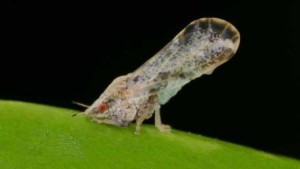
Biology Meets Asian Citrus Psyllid Control By Christina Herrick|January 29, 2016 A team of researchers is studying two targeted parasitoid wasps to help prevent the spread of Asian citrus psyllid in the state.
Asian Citrus Psyllid Quarantine Area In California Expanded Again Posted by David Eddy|January 25, 2016 A zone of nearly 100 square miles has been declared in Fresno County following new detection.
California Asian Citrus Psyllid Quarantine Update Posted by Christina Herrick|January 18, 2016 Residential quarantine expands in Central Valley, agriculture officials continue to monitor movement of plants and plant materials.
College Rivals Team Up To Fight Citrus Greening Posted by Paul Rusnak|January 14, 2016 Researchers from University of Florida and Florida State University share $4 million USDA grant to help find solution to devastating disease.
California’s Asian Citrus Psyllid Quarantine Expands Posted by Christina Herrick|December 24, 2015 Quarantine area of 64-square-miles added following detection of HLB vector.
Researchers Dig Deep To Flush Out Citrus Greening By Frank Giles|December 18, 2015 Sporadic activity below the ground comes at a cost to fruit production and retention above.
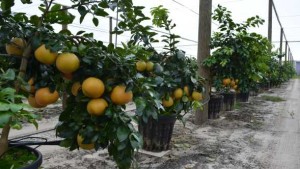
Growers, Scientists Seeking Shelter From Citrus Greening By Frank Giles|December 17, 2015 Researchers are studying the fit for screenhouse production to exclude psyllids.
Latest Florida Citrus Crop Forecast Drops Sector Further Into Abyss By Paul Rusnak|December 9, 2015 HLB continues to hammer away at not only the health of trees and fruit, but also industry infrastructure.
Challenges Ahead, But Florida Citrus Growers Up To The Task [Opinion] By Mike Sparks|December 4, 2015 The path to survival is paved with passion and perseverance.
Florida Citrus Sector Beyond Tipping Point [Opinion] By Frank Giles|December 3, 2015 It is hard to get your head around just how to react and what to say in this kind of situation.
8 Trends Shaping The Future Of Florida Citrus By Paul Rusnak | Frank Giles|December 3, 2015 Annual survey shows interest in breakthroughs becoming more intense.
Florida Citrus Growers Banking On Bactericides By Frank Giles|December 1, 2015 Stakeholders edge closer to much anticipated treatments for HLB.
New Citrus Greening Nutritional Mix Enters The Market Posted by Frank Giles|December 1, 2015 H.J. Baker says product aims to improve root density and nutrient uptake.
Scientists Find Success Fighting Citrus Greening With GMOs Posted by Paul Rusnak|November 25, 2015 Multiple studies that include using a gene from a member of the mustard plant family are proving fruitful in not only resisting HLB, but also possibly black spot and canker.
California Technology Summit Targeting Early Detection Of Deadly Citrus Disease Slated Posted by David Eddy|November 20, 2015 California Citrus Mutual and the Citrus Research Board to hold citrus greening meeting Dec. 1 at the Visalia Convention Center.
Proposed Tax Bill Ups Ante For Florida Citrus Growers Willing To Re-Plant Posted by Paul Rusnak|November 9, 2015 A tweak to the IRS code is designed to increase slumping production.
Citrus Research And Development Foundation Stepping Up For An Industry In Need By Mike Sparks|October 18, 2015 Florida Citrus Mutual’s Mike Sparks appreciative of organization’s drive to keep the state’s signature crop alive.
Citrus Budwood Data Squeeze Divulges Downside [INFOGRAPHIC] Posted by Paul Rusnak|October 9, 2015 Annual report reveals marked decrease in nursery output.
Nanotechnology Could Play Large Role In Asian Citrus Psyllid Control Posted by Paul Rusnak|September 22, 2015 Scientists find efficient way to effectively kill HLB’s vector via insecticide-infused microscopic molecules.





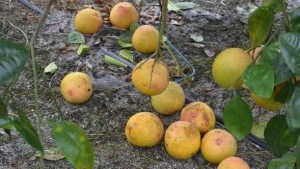
![Challenges Ahead, But Florida Citrus Growers Up To The Task [Opinion]](https://www.growingproduce.com/wp-content/uploads/2014/12/citrus_hand-300x169.jpg)
![Florida Citrus Sector Beyond Tipping Point [Opinion]](https://www.growingproduce.com/wp-content/uploads/2015/12/tipping_scales-300x169.jpg)
![Citrus Budwood Data Squeeze Divulges Downside [INFOGRAPHIC]](https://www.growingproduce.com/wp-content/uploads/2014/10/rootstocks-300x169.jpg)