Disease Control
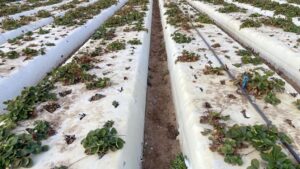
Newly published study from University of Florida research shows how UV light can zap the pathogen on the plants – without damaging them.
Slate of experts to discuss how biologicals can help with the most serious insects and diseases.
Long-running copper biofungicide lineup gets a unique, high-load formulation in Kocide 50DF. Learn how produce growers will benefit.
High humidity can lead to high disease risk in greenhouse-grown tomatoes. Here are a few of the most common concerns.
Learn ways ‘soft fungicides’ provide reliable options to treat diseases such as mummy berry and botrytis.
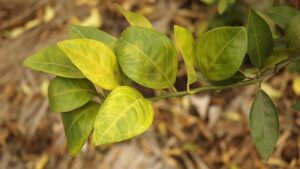
The work by three scientists on citrus greening promises to change how we manage all bacterial and viral diseases.
Cercospora and Alternaria can damage crops even in cold storage. Here’s how to reduce losses after harvest.
The conventional wisdom that fungicides are ‘nice to have’ applications that cannot match ‘must have’ herbicides is being challenged.
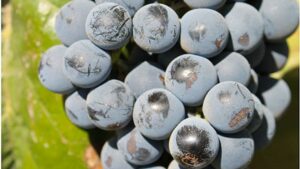
University of Minnesota researchers receive $10 million toward development of disease-resistant grapes.
Find out more about a digital portal created by Syngenta provides insights and solutions to help reduce impacts from the pathogen.
Digital resource, based on input from commercial greenhouse tomato growers across North America, includes information on spread, detection, and diagnostics.
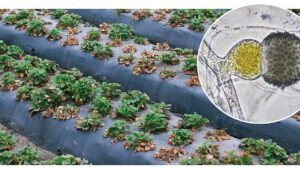
Learn more about a new $1 million grant that will fund research inside the California Strawberry Center at Cal Poly San Luis Obispo.
It pays to understand the options available in your crop protection toolbox.
What you need to know to identify and control this disease.
$5.8 million federal grant to help researchers on a mission to mitigate the problematic crop disease for growers.
Compared to field production, greenhouses have a suitable environment for many disease organisms. And they’re ready to take advantage of the conditions.
Squeezed by lower prices, growers have been cutting inputs, and now more than ever they need a plan.
Learn more about a web-based program that is proving to help blueberry growers control plant disease and reduce fungicide use.
UC Davis says it will release resistant varieties to growers later this year.