Crop Protection
Research report indicates as crop protection shifts toward sustainable practices and innovations, the demand for more nematicides is expected to expand.
Growers may get access to post-emergent herbicides commonly used by corn and soybean farmers.
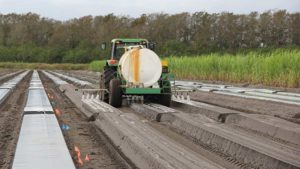
USDA awards scientists $1 million to investigate anaerobic soil disinfestation to support transitioning from conventional to organic production systems.
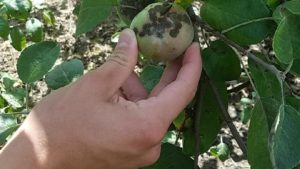
Apple scab is one of the most significant diseases that impact apples. This year’s frequent rain events made apple scab infections worse than usual.
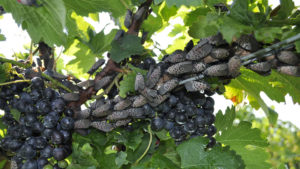
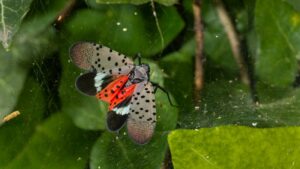
Local agriculture officials confirm new infestations of spotted lanternfly in parts of southeastern Michigan.
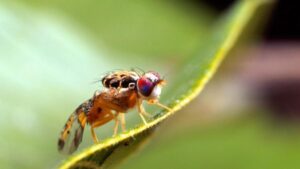
Less than a month after successfully eradicating multiple fruit fly threats across the state, a new Medfly sighting has portions of Alameda County under watch.

Eda Reinot to continue science-forward legacy of leadership into the next phase of company growth.
2024 State of the Vegetable Industry survey offers insights to how those farms using biopesticides differ from those who don’t.
Local researchers confirm regions with persistent disease presence are seeing increased diagnoses.
Managing maladies in ‘Monterey’ almond trees requires careful irrigation management.
Crop protection activity has been robust in California this year. New data show growers are on pace to achieve something not accomplished since 2020.
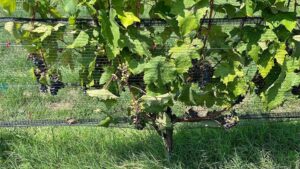
Florida researchers harvest the first crop of Pierce’s Disease-resistant wine grapes. Learn what this could mean for local viticulture interests.
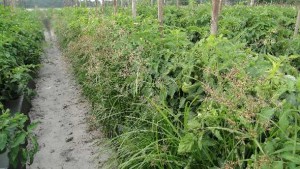
Nearly a half million dollars in new funds to develop a tomato variety with resistance to branched broomrape.
Neopestalotiopsis fruit rot and leaf spot levels observed in nurseries to likely impact the supply of tips and plug plants for many strawberry producers.
Late blight confirmed in Allegany County. Cornell researchers provide pointers on how to protect your plants.
Nearly year-long collaborative effort successfully eradicated four invasive fruit fly species.
Economic analysis projects a 7.3% decrease in California lettuce production due to restrictions on key pesticides.
Research shows algorithm found moisture on the reference plate nearly 96% of the time in comparison with manual observations.
Ag researchers focus in on monitoring and assessment of emerging tar spot disease.