Crop Protection
Local researchers confirm regions with persistent disease presence are seeing increased diagnoses.
Managing maladies in ‘Monterey’ almond trees requires careful irrigation management.
Crop protection activity has been robust in California this year. New data show growers are on pace to achieve something not accomplished since 2020.
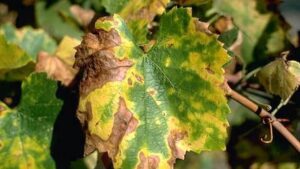
Florida researchers harvest the first crop of Pierce’s Disease-resistant wine grapes. Learn what this could mean for local viticulture interests.
Nearly a half million dollars in new funds to develop a tomato variety with resistance to branched broomrape.
Neopestalotiopsis fruit rot and leaf spot levels observed in nurseries to likely impact the supply of tips and plug plants for many strawberry producers.
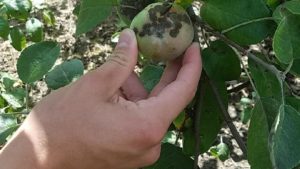
Late blight confirmed in Allegany County. Cornell researchers provide pointers on how to protect your plants.
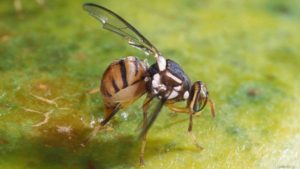
Nearly year-long collaborative effort successfully eradicated four invasive fruit fly species.
Economic analysis projects a 7.3% decrease in California lettuce production due to restrictions on key pesticides.
Research shows algorithm found moisture on the reference plate nearly 96% of the time in comparison with manual observations.
Ag researchers focus in on monitoring and assessment of emerging tar spot disease.
This is the first time in almost 40 years EPA has taken this type of emergency action for a pesticide.
Newer growers may not be familiar with using biopesticides as more experienced growers. Learn why education is more important than ever.
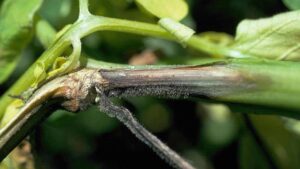
An invasive disease threatens U.S. potatoes. Let your senators and representatives understand the importance of proposed USDA policy.
Learn more about four new pest-resistant long beans and how they can change the game in pesticide use.
Remote-sensing kit aims to elevate performance of all types of sprayers.
Research expert offers keys to success for growers testing biocontrols on their own.
Researchers aim to raise awareness of problematic pest that affects a number of food crops.
Systemic multisite fungicides are popular for their efficacy. But regulators, retailers, and consumers frown on them. Research is looking for alternatives.