Crop Protection
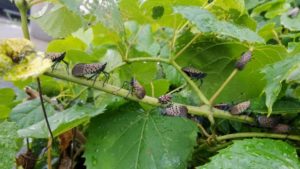
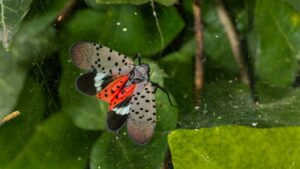
New York Department of Agriculture and Markets confirms first detection of spotted lanternfly in proximity to commercial vineyards in the Finger Lakes.
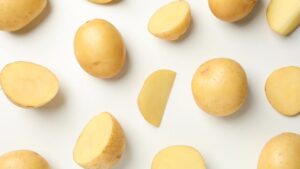
Wound healing and precutting potato seed pieces provides a natural barrier.
Detection of fungus causing red leaf blotch spurs call for grower vigilance.
Swiss company expands its biological product offerings.
Partnership expected to enable faster launch of innovative biologicals.
Latest eradication is the third Oriental fruit fly quarantine lifted in the Golden State this year.
Scientists at University of New Hampshire aim to find if the invasive aquatic weed can capture runoff nutrients and be used as green manure.
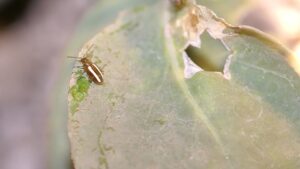
In the latest State of the Vegetable Industry survey, flea beetles were listed as one of the often-mentioned pests that growers found problematic.
We asked experts from the biologicals industry to share ideas that growers may not yet be considering, but could make a difference in your success.
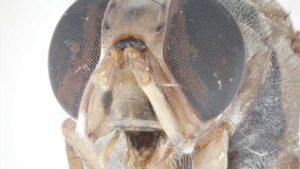
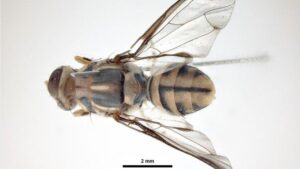
Host crops for the Tau fruit fly include more than 300 varieties, such as citrus and other fruits, nuts, vegetables, and berries.
Growers in the Golden State are on pace to deliver a year-over-year increase in treated acres of crop protection products for the first time since 2020.
Prices of fertilizers and pesticides are rising a lot faster than grower returns.
State of the Industry survey respondents indicate increased rainfall helping pests prevail.
Company continues to contribute to a greener future through prevention agriculture.
Initial find has long been feared because the Golden State produces 90% of the nation’s grapes, the invasive pest’s favorite food.
Farmers report 22.9 million treated acres of crop protection applications in the first four months of 2024, the highest at the end of April since 2020.
Ag officials have declared the end of the Oriental fruit fly quarantine in Sacramento and Santa Clara counties following eradication of the invasive pest.

Vegetable producer and social media star Shay Myers wants to show you how laser weeding is helping him grow more and better crops.
Newly published study from University of Florida scientists finds way for growers to reduce insecticide use and still gain control of the pest.