Crop Protection
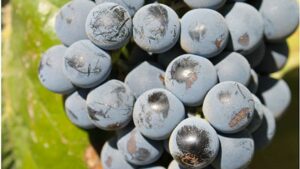
University of Minnesota researchers receive $10 million toward development of disease-resistant grapes.
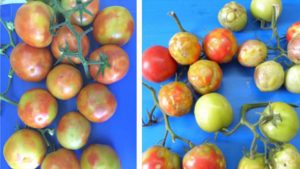
Find out more about a digital portal created by Syngenta provides insights and solutions to help reduce impacts from the pathogen.
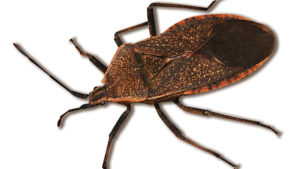
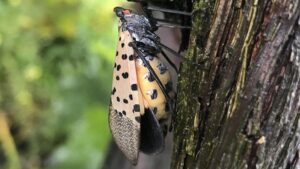
What you need to know to identify and control this insect.
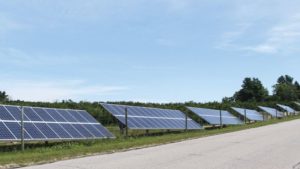
Crop protection company says the alt energy source at its Osage, IA, facility is operating and can power the equivalent of about 425 average-sized homes annually.
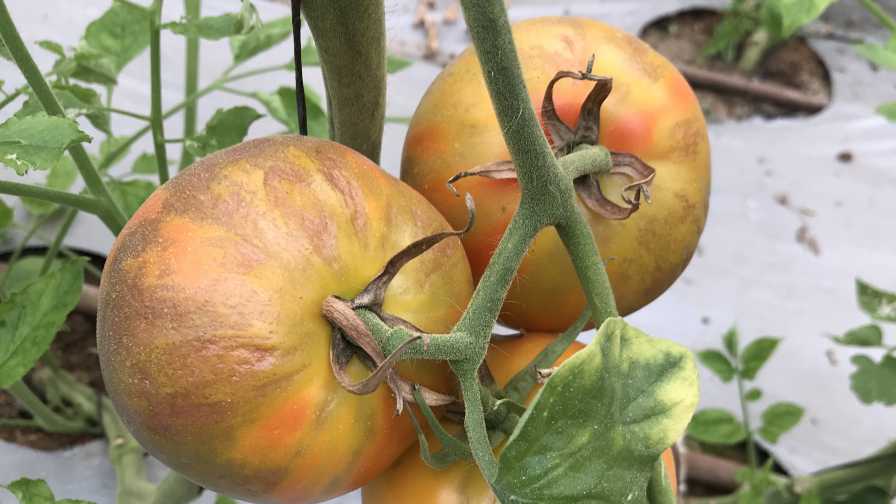
Digital resource, based on input from commercial greenhouse tomato growers across North America, includes information on spread, detection, and diagnostics.
Learn about work being done on multiple fronts to help protect the tools needed for successful potato production.
Other issues involve reauthorization of the Pesticide Registration Improvement Act, diminishing number of active ingredients, and increasing pest resistance.
Industry veteran Mike Allan steps up into new role as Vice President of Business Development and Licensing for biological crop protection company.
Longtime farm advisor details concern and bemoans loss of specialized knowledge among the nation’s Extension personnel.
Purchase of leading biologicals company reinforces commitment to driving value for farmers through innovative, sustainable solutions.
Learn how University of Florida scientists are attempting to shine a new light on insect pest control for growers.
Farming and tech innovation are two sectors with changing landscapes. As the two evolve along their own path, there are more opportunities to converge.

Notorious pest is known to feast on grapes, but it favors one particular tree nut.
Crop protection company names industry veteran Tim Riley as its National Sales Director for U.S. Ag Business.
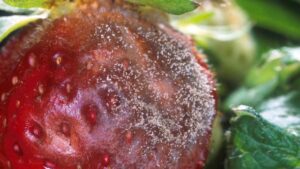
Partnership brings CeraFruta, an organic biosolution that fights fungal decay, to the postharvest industry.
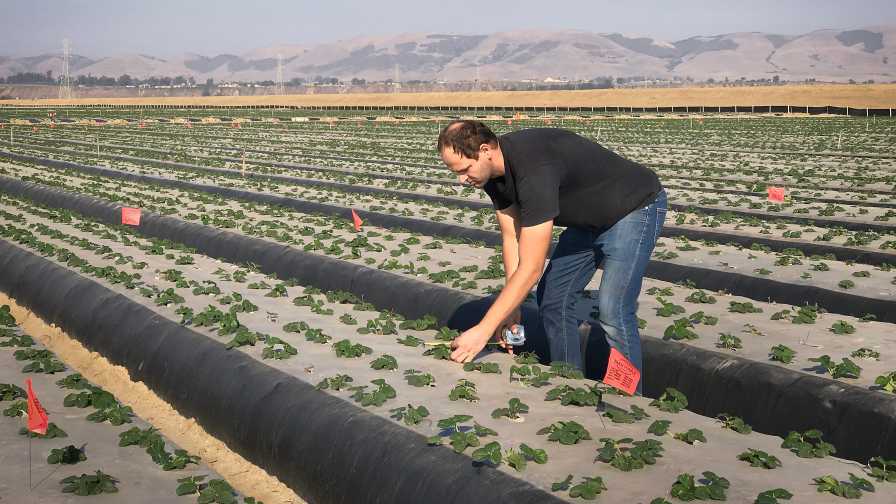
Learn more about a new $1 million grant that will fund research inside the California Strawberry Center at Cal Poly San Luis Obispo.
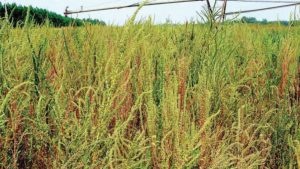
What you need to identify and manage this weed.
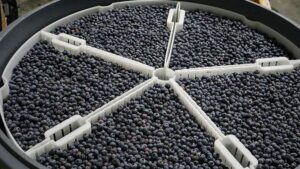
USDA says new low-pressure vacuum technology called RipeLocker is breakthrough in fruit storage.
Suppliers expect growers to further adopt use of biological products in 2023.