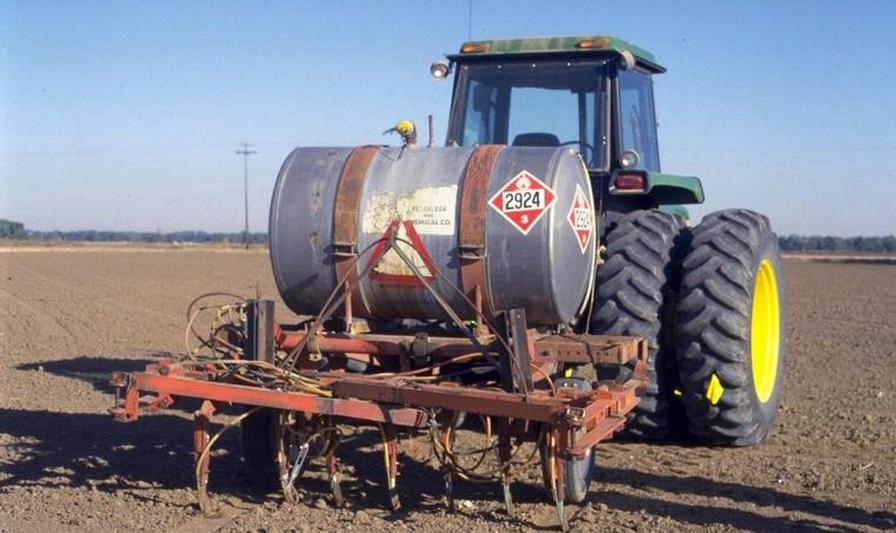
Nematicides Know-How: Ways To Help Rid Your Potato Crops of Nematodes By Carrie Huffman Wohleb|February 15, 2023 Nematicides can be complicated to use. Here are some tips to consider before your next application. Read More
Latest Growing Produce Podcast: Are Robots Ready for Your Farm? Posted by Paul Rusnak|October 20, 2026
New Survey: High Diesel Costs Forcing California Farmers to Make Tough Cuts By California Farm Bureau|October 19, 2026
What Growers Should Know About the New ‘Fontana’ Blackberry Posted by Growing Produce Staff|October 19, 2026
Which Beneficial Wasp Species Works Best Against Fruitworm in Blueberries? By Thomas Skernivitz|February 14, 2023 Growers in Michigan are wondering whether it’s Trichogramma minutum or T. platneri. Hint: It’s kind of a trick question.
BioSolutions 2023 Event To Shine Spotlight on Nasty Fruit and Nut Pests By David Eddy|February 14, 2023 Slate of experts to discuss how biologicals can help with the most serious insects and diseases.
IR-4 Project Celebrates 60 Years of Impact for Growers Posted by Growing Produce Staff|February 10, 2023 Over six decades, crop protection research organization has secured more than 23,000 pest management product registrations.
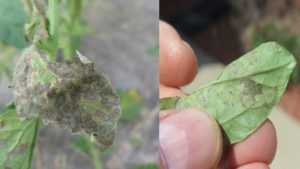
Field Scouting Guide: Eastern Black Nightshade By Karli Petrovic|February 8, 2023 Shed some light on ways to prevent this pervasive plant from darkening your fields.
Certis Biologicals Turns up the Power With New Kocide Product Posted by Growing Produce Staff|February 7, 2023 Long-running copper biofungicide lineup gets a unique, high-load formulation in Kocide 50DF. Learn how produce growers will benefit.
Biologicals Not Necessarily a Costly Crop Protection Option for Growers By David Eddy|February 6, 2023 Producers just have to take a different approach than with chemical inputs — which are also getting pretty expensive.
Proper Irrigation and Spraying are the Foundation of Your Nut Orchard By Franz Niederholzer|February 4, 2023 In uncertain times, the basics come first. Follow these tips to save time and money in the long run.
Refresher Course on How To Stay on Top of Diseases in Greenhouse Tomatoes By Greenhouse Grower|February 3, 2023 High humidity can lead to high disease risk in greenhouse-grown tomatoes. Here are a few of the most common concerns.
Learn Best Ways To Find and Apply Biological Products for Your Farm By Brian Sparks|February 2, 2023 Keeping up with the latest developments is critical. Discussion at the upcoming Biosolutions Conference and Expo will address this need.
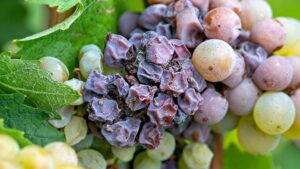
How Biofungicides Are Helping Small Fruit Growers Succeed By Thomas Skernivitz|January 31, 2023 Learn ways ‘soft fungicides’ provide reliable options to treat diseases such as mummy berry and botrytis.
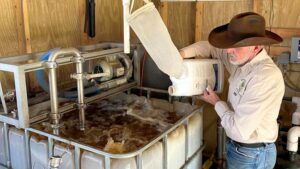
Watch and Learn How To Keep Your Fields Clean With Basket Weeders [Video] Posted by Paul Rusnak|January 31, 2023 Managing weeds without herbicides can be daunting. See how one organic vegetable farm in Texas takes on the challenge.
More Education Needed for Produce Growers on Biological Solutions By David Eddy|January 30, 2023 Smaller growers are in danger of being left behind as farming continues to move away from a simplistic chemical approach.
Biome Makers Builds on Top the World’s Largest Database of Microbes Posted by Growing Produce Staff|January 23, 2023 The company’s BeCrop technology now includes 14 million taxonomic references of microorganisms.
A Balance of Conventional vs. Organic Weed Control Is a Good Bet for Success By Bryan Young, Purdue University|January 19, 2023 Purdue University Professor Bryan Young gives his take on exploring sustainable, conventional, and organic weed management options for all types of growers.
A Revolutionary Biocontrol (and Delivery System) By Carol Miller|January 18, 2023 The work by three scientists on citrus greening promises to change how we manage all bacterial and viral diseases.
More Produce Growers Expected To Adopt Use of Biological Products in 2023 By Thomas Skernivitz|January 17, 2023 Industry suppliers say the future is now for biologicals in specialty ag.
Here’s What You Will Learn at the BioSolutions 2023 Conference and Expo By Brian Sparks|January 11, 2023 This year’s program, which takes place in late February, is packed with breakthrough research and new products hitting the market.
How To Reduce Postharvest Disease in Your Vegetable Crops By Anthony P. Keinath|January 4, 2023 Cercospora and Alternaria can damage crops even in cold storage. Here’s how to reduce losses after harvest.
Got Voles Invading Your Nut Orchards? This Solution Goes for the Gut By Thomas Skernivitz|January 2, 2023 Studies show wildlife pest thwarted by post-ingestive repellent anthraquinone.