Crop Protection
Whether you’re a grower, packer, processor, or retailer, you have experienced the dramatic shift in consumer preference for […]
Quality and profitability are two important factors that drive our agricultural markets. We have fine-tuned our cultivation processes […]
Pay mind to your surroundings by practicing proper pesticide use.
Department of Pesticide Regulation, Office of Environmental Health pursuing health protections.
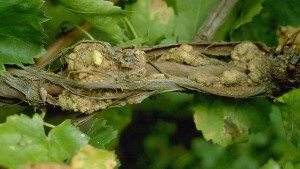
Learn how to identify, the survival and spread, as well as management methods for this notorious pest.
Howler fungicide, developed by AgBiome, receives EPA registration for high-value, specialty crops.
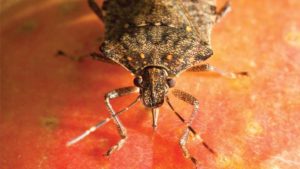
While populations are low, it appears invasive pest has recently stumbled upon the state’s peaches and almonds.
The University of New Hampshire has received half a million dollars to investigate if seed treatments inadvertently protect weed seeds from its usual predators.
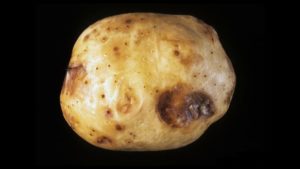
If you understand the role oxygen, and its lack, plays in potato diseases, you’ll be better equipped to battle them.
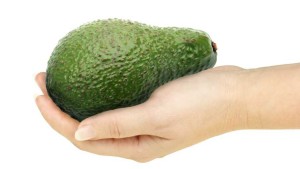
Scientists from Florida and California are on the case and collaborating.
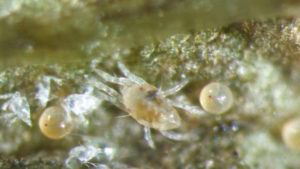
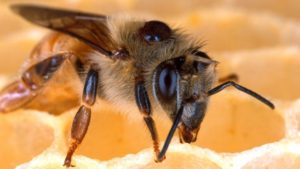
Cornell University’s NYS Beekeeper Tech Team recent report also shows most hives are infected with Deformed Wing Virus (DWV), a disease linked to the mites.
One of the highlights of the Biocontrols Conference & Expo Series is getting an early look at some […]
The supplemental label for Valent’s Chateau herbicide is particularly welcome for California growers of bearing citrus fruit, as it’s a new use.
Unseasonably wet weather causes outbreak, and growers are warned it can spread to peaches.
Oregon State University researchers developed molecular tools to work with commercially available kits that allow the user to quickly and effectively test plants for the disease, using a dipstick that reveals the presence of the pathogen within minutes.
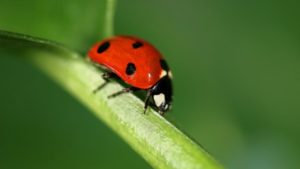
Projects to promote beneficial organisms as part of a pest control strategy.
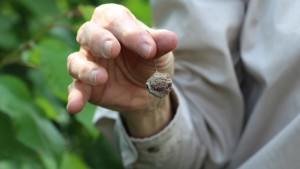
Samuri wasp parasitized egg mass found in Southern New Jersey peach orchard.
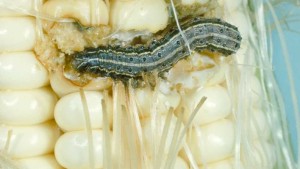
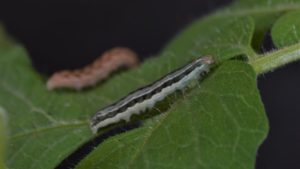
The University of Wisconsin’s John Orrock says when beet armyworms are exposed to concentrations of methyl jasmonate, they will abandon eating tomatoes — and start eating one another.
After a few months of speculation, the USDA’s Agricultural Marketing Service has published its Sunset 2017 final rule on approved products for organic production and handling.