Crop Protection
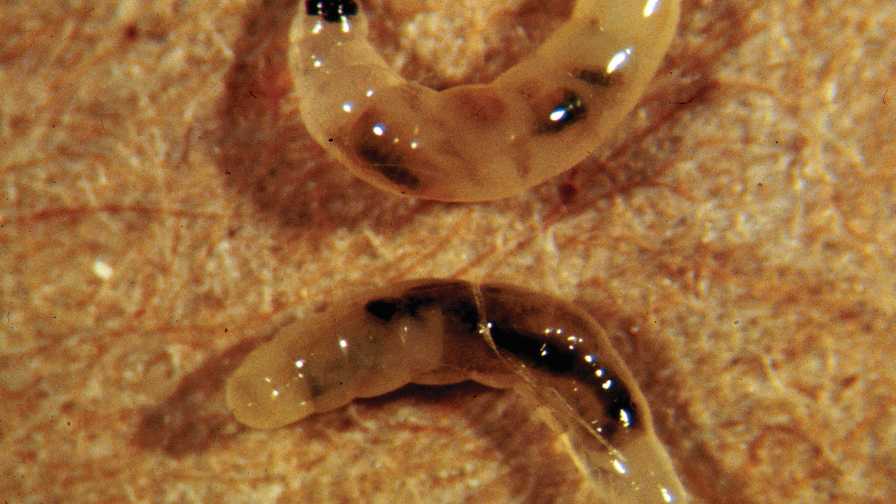
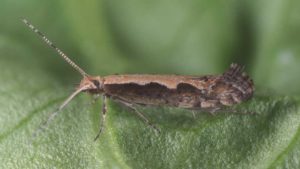
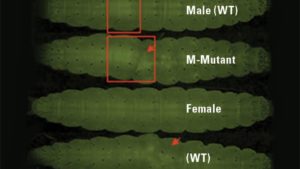
USDA OKs field release of pest with self-limiting gene at Cornell research farm.
With the help of five-year, $5 million USDA grant, stakeholders will learn what it takes to better preserve precious resource.
Research shows single-trap locations are not as effective as those kept close together.
Whether it is human genetics or genetics applied to plants, knowledge is growing at a dizzying pace.
Addition of LAM International to allow for expansion of product development.
Black cutworm and true armyworm have been caught in relatively high numbers across the Midwest, including Michigan. Learn more about determining risk and scouting in your sweet corn plantings.
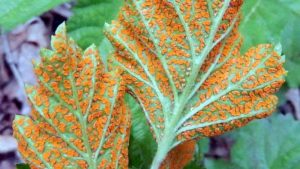
Learn how to identify, the survival and spread, as well as management methods for this disease.
For growers in the Sunshine State, the battle with pesky plants out of place never ends.
While nature always finds a way to adapt, science continues to find other ways to cope.
Event focuses on microbial control strategies.
Disease is on the rise this season and can affect any propagated plant material.
Surgically placed fumigants at the base of promising pest management method for vegetable growers.
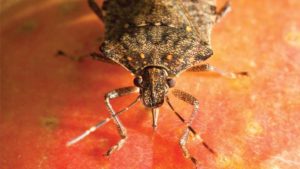
Since devastating many Mid-Atlantic farms in 2010, this Asian-borne pest continues to cause growers significant headaches. New research, however, may offer insights into treatment options that minimize the use of harsh chemicals.

Gene editing has the potential to aid growers in control of invasive pests.
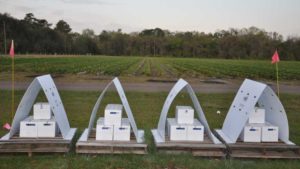
Disease-fighting bees and the deadly citrus psyllid were at the center of two recent, research-fueled out-of-office adventures.
University of Florida Doctor of Plant Medicine student receives $1,500 toward the development of training materials.
EPA, California officials grant Semios approval of pheromone pest control solution for widespread citrus problem.
Comment period on popular class of insecticides opens today.
One springtail species is targeting germinating seeds, impacting seedling growth.