Crop Protection
The plan sets the framework to achieve widespread adoption of adaptive soil health systems on more than 50% of U.S. cropland by 2025.
A proactive approach using all applicable IPM tactics is the most effective way to avoid this persistent problem.
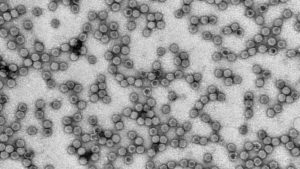
While we certainly do not equate the seriousness of Zika with agricultural problems, the Zika virus can serve as a reminder about aspects of the many plant-infecting viruses, from alfalfa mosaic to zucchini yellow mosaic, that affect vegetables.

Armed with a $3.7 million grant, North Carolina State University researchers have the brown marmorated stink bug, which has been found in 43 states, in their cross hairs.
Spray rigs are designed to increase efficiency while still controlling targeted pests.
The Tri-Hishtil vegetable grafting facility in North Carolina hopes to double grafted plant production by next year.
Learn how to identify, the survival and spread, as well as management methods for this voracious pest.
The Sunshine State is ground zero when it comes to foreign pests that can turn agriculture upside down.
The notorious brown marmorated stink bug has turned up in large numbers in the Pacific Northwest, no damage to crops.
Luna label expansion in California gives fruit and vegetable growers a new option for broad-spectrum disease control.
The California Department of Pesticide Regulation announced an update to how 1,3-Dichloropropene is managed and used in the state.
Product is proven to control lettuce drop.
Researcher says growers must be up-to-date on spray programs.
Research compares the effects between poly-coated urea and regular urea on sweet corn growth.
Rita Abi-Ghanem of Bio Huma Netics, a supplier of agricultural liquid fertilizers and specialty products, will serve on the committee’s Science Advisory Board.
Successfully suppress troublesome, unwanted plants with the help of cover crops.
Researchers will begin to explore new ways to break the reproductive cycle of this pest.
Biodiversity is increasingly recognized as critical to long-term agricultural sustainability in a world with shrinking available arable land.
Tactics to manage the pest of cucurbits include proper scouting, trap cropping, plus cultural and chemical controls.