Pesticide Residues Practically Nil Posted by Christina Herrick|December 13, 2016 Pesticide data program summary released after testing 10,000 samples from fresh produce, vegetables, and processed foods. Read More
Video: Vegetable Grower Puts Cyclospora Outbreak in Context for Consumers Posted by Paul Rusnak|July 23, 2026
Vegetable Industry Allies Offer Advice for the Next 5 Years Posted by Growing Produce Staff|July 22, 2026
4 Fruit Varieties You Might Want To Add to Your Crop Portfolio By Growing Produce Staff|July 21, 2026
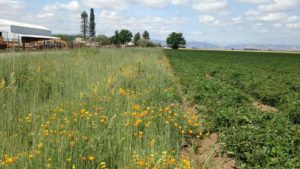
New Fact Sheet Analyzes Weed Seeds And Their Longevity Posted by Rosemary Gordon|December 6, 2016 Topics covered include how weed seeds travel, when they germinate, and ways they can be eliminated.
Orondis Opti Fungicide Receives Registration In Premix Formulation Posted by Rosemary Gordon|December 6, 2016 The product provides control of Oomycete diseases in vegetables and other specialty crops.
Bio Huma Netics Opens New Lab Facility Posted by Christina Herrick|December 4, 2016 Facility to improve quality control and help expand product line.
Back a United Front to Fight and Defeat Pests By Christian F. Miller|December 1, 2016 Coordination and integration are key factors to any successful crop protection battle plan.
Review Shows Low Risk To Aquatic Invertebrates From Neonicotinoids Posted by Christina Herrick|November 29, 2016 Peer-reviewed evaluation of more than 100 studies finds uses of imidacloprid are unlikely to harm aquatic invertebrate communities, or the birds and fish that rely on them.
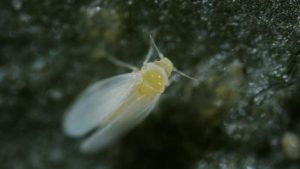
Tackle Whiteflies Head On By Laura Drotleff|November 29, 2016 Reported in outdoor landscapes this year, vegetable growers must be prepared to mitigate the spread of the Q-Biotype.
Attract Pollinators To Your Farm By Lauren María Alexander|November 28, 2016 Learn how to build the optimal breeding ground for bees.
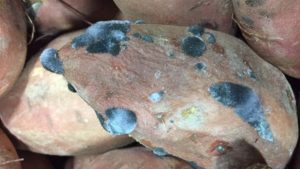
Stave Off Sweet Potato Disease By Lauren María Alexander|November 28, 2016 Management can be made easier through variety selection and improved sanitation practices.
Tips To Keep Your Stone Fruit Orchard Clean By Bill Shane|November 28, 2016 Managing serious plant diseases of peach and plums requires a cooperative approach.
Arysta Partners With Beem Biologics To License New Technology Posted by Christina Herrick|November 22, 2016 Agreement to expand Arysta’s portfolio with new biocontrol releases.
Syngenta Announces New Fungicide Product Line Posted by Rosemary Gordon|November 21, 2016 The Miravis brand contains a new active ingredient that is currently pending EPA approval.
EPA Extends Comment Period For Malathion Posted by Christina Herrick|November 21, 2016 Growers have the opportunity to comment on a draft of human health risk assessment.
Rhizoctonia Pathogen A Major Bane To Beans By Gene McAvoy|November 20, 2016 Learn how to identify, the survival and spread, as well as management methods for this vegetable disease.
USDA Awards $9.4M For Pest Management Posted by Christina Herrick|November 18, 2016 Projects aim to reduce pests, weeds, and diseases on farms through IPM.
Protecting Agriculture’s Future A Win-Win For Florida Farmer By Frank Giles|November 16, 2016 Making good use of data and a focus on efficiency are critical in sustainable agricultural operations.
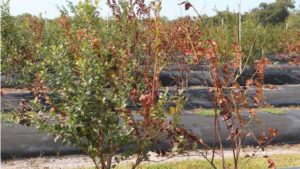
Florida Blueberry Growers Warned To Watch For New Deadly Disease Posted by Paul Rusnak|November 16, 2016 Pathogen has been confirmed on three farms so far.
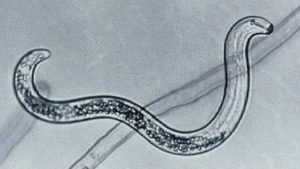
Bacteria May Help Control Lesion Nematodes Posted by Christina Herrick|November 15, 2016 A bacteria found in roundworms could be a future control of a root-hungry pest in raspberries and potatoes.
EPA Extends Comment Period On Sulfonylurea Herbicide Product Labels Posted by Rosemary Gordon|November 8, 2016 The agency has determined that risks to non-target plants warrant additional label restrictions when products are applied either by ground or air.
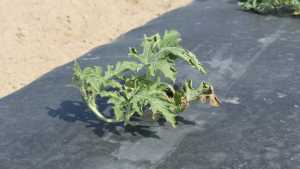
The Effect Of Soil Fertility On Fusarium Wilt In Watermelon By Lauren María Alexander|November 8, 2016 Ongoing research sheds light on the role soil health plays in the severity of the deadly pathogen in watermelon crops.