Crop Protection
The long-term benefits of having field-specific information on soil biological and physical processes are discussed by Cornell University’s Thomas Bjorkman.
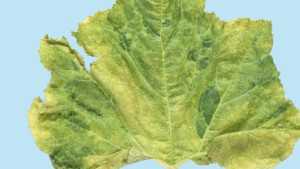
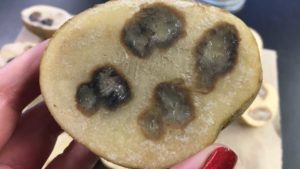
Learn how to identify, the survival and spread, as well as management methods for this vegetable disease.
With food security at stake, breakthrough in genetic research could help prevent more strains of the deadly pathogen from entering the U.S.
Technology platform is designed to help Monsanto analyze, store, and mine its genomic data sets to enhance breeding and R&D opportunities.
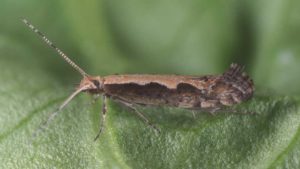
An integrated approach is key to managing this destructive pest.
The findings depict the first time that a viral effector protein has been seen as attracting insect vectors to feed on plants through odor.
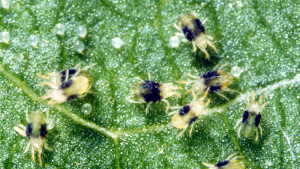
The biological product attacks spider mites in two ways.
Increases in labor costs will affect the costs of production of vegetable crops in California, so growers will have to take advantage of production practices that help reduce weed pressure.

Genetic research intends to develop varieties with enhanced nutrient uptake.
Syngenta’s CruiserMaxx Vibrance receives EPA registration.
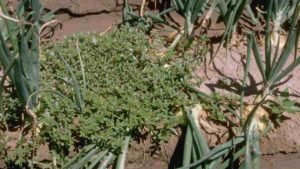
A pest in the West, purslane has potential to impact all vegetables grown throughout North America.
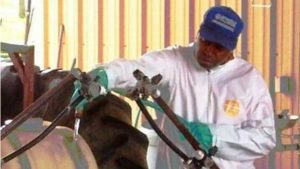
Practicing safe work habits will minimize hazards from exposure to certain crop protection chemistries.
Learn how to identify, the survival and spread, as well as management methods for this destructive vegetable disease.
Growers, researchers working to reduce phosphorus loads in Everglades Ag Area.
High-quality seed stock with a guaranteed low incidence of disease is the first step to success.
Unique modes of action the main feature of modern chemistries.
EPA, Pesticide Educational Resources Collaborative updates manual for worker standards.
Companies one step closer to “advancing together.”
National Institute of Food and Agriculture allocates funding to help evaluate genetically modified organisms.