Crop Protection
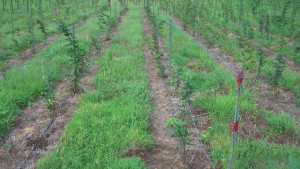
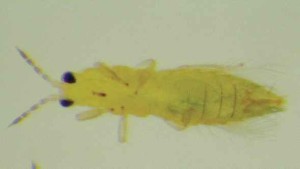
Tiny insect pests can present big problems for blueberry growers.
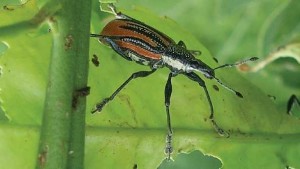
Reports indicate longtime citrus nuisance might be tempted by the fruit of another.
Learn how to identify, the survival and spread, as well as management methods for this insect pest.
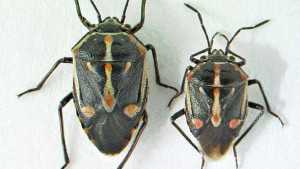
Due diligence required in the identification, tracking, and control of this flying fiend.
Chemistries with high Volatile Organic Compounds are used on pistachios, almonds, walnuts, grapes, and citrus crops.
Find out more on management tactics and what counties are impacted by this invasive pest.
New product from Adama has a unique mode of action and is approved for use on a variety of vegetables.
Researchers seeking voluntary information to track how pest overwinters.
Pheromone disruption may be the answer in minimizing thousand cankers disease.
Dangerous invasive pests found well outside Miami-area hot zone.
This broad spectrum fungicide can be used in rotation or in a tank mix.
Penn State University researcher offers guidelines and control strategies for minimizing the impacts on mites for the next season.
Transaction expected to close in early 2015.
Promising new combination of all-natural compounds is at least seven times more powerful than older lures.
$80 million facility will also be used to develop vegetable seed.
Researchers are trying to determine the conditions that favored the ‘perfect storm’ for beet curly top virus, which caused $100 million in losses last year.
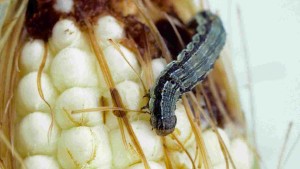
Monitor traps, plant varieties with good husk cover, and rotate modes of action to avoid resistance.
State Department of Pesticide Regulation finds that 95% of produce was in compliance.
Conditions lately have been ripe for fungi fiasco.