BioSafe Systems Announces Amendment To ZeroTol 2.0 Bactericide/Fungicide Posted by Lauren María Alexander|December 9, 2014 ZeroTol 2.0 is now labeled for use on fruits and vegetables grown in the greenhouse. Read More
Why Washington State Fruit Growers Need to Adapt for Drought Now By Jon DeVaney, Washington State Tree Fruit Association|September 12, 2026
Melon Breeding: Can Flavor Flourish Without Sacrificing Shelf Life? By Michele Katsaris|September 11, 2026
What Research is Finding About Extended Photoperiods in Greenhouse Eggplant By CEAg World|September 10, 2026
Titan Farms Celebrates SQF Quality Certification Achievement Posted by Growing Produce Staff|September 10, 2026
Sustainability’s Unintended Consequences [Opinion] By Richard Jones|December 5, 2014 The good and bad of Whole Foods’ “Responsibly Grown” initiative.
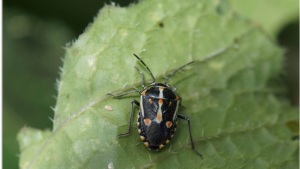
Prepare For The Bagrada Bug By Rosemary Gordon|December 5, 2014 Find out how to identify this pest that is plaguing growers in the West, and how you can control it.
6 Pests Of Snap Beans To Watch For In 2015 Posted by Rosemary Gordon|December 4, 2014 Two researchers in the East discuss which pests cause the most damage and how to keep them from taking over your crop.
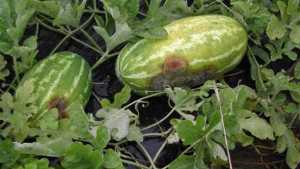
Problematic Pathogens In Melons And Watermelons By Rosemary Gordon|December 3, 2014 Find out how to monitor and control Phytophthora fruit rot, Fusarium wilt, and bacterial fruit blotch.
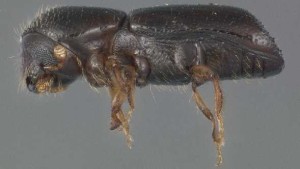
Potential Biological Control Found For Potent Avocado Pest Posted by Paul Rusnak|December 2, 2014 University of Florida scientists believe fungi could be key to beating the red bay ambrosia beetle and laurel wilt disease.
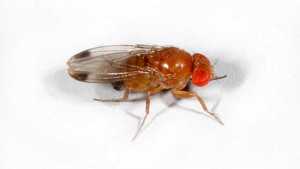
Spotted Wing Drosophila Regional Workshops Held In New York Posted by Christina Herrick|December 1, 2014 Management tips, early warning signs, and pest biology are among topics discussed at one-day events.
Do You Have The Right Pesticide License? By Les Baucum|December 1, 2014 Clear up any confusion regarding restricted use permits.
EPA Approves Three New Moth Mating Disruption Products Posted by David Eddy|November 25, 2014 Codling moth and oriental fruit moth are targeted by apple and pear growers.
Suspected Borer Could Be Big Bother To Florida Blueberry Growers Posted by Paul Rusnak|November 24, 2014 Producers warned to be on the lookout as scientists probe samples.
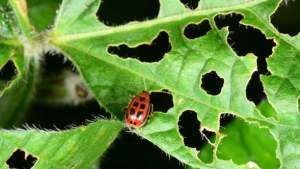
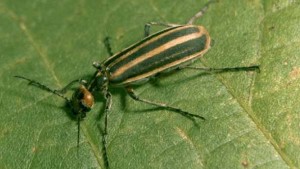
Don’t Turn Your Back On Striped Blister Beetles By Gene McAvoy|November 21, 2014 Learn how to ID, the survival and spread, as well as management methods of this vegetable pest.
Ramped-Up Predatory Mite Production To Benefit Growers Posted by Paul Rusnak|November 21, 2014 Biologics company Beneficial Insectary now rearing two species in its California facility.
Florida Vegetable Growers Gain Access To New Nematicide Posted by Paul Rusnak|November 20, 2014 Methyl bromide alternative Nimitz approved for use on tomatoes, peppers, okra, eggplant, cucumber, watermelon, cantaloupe, and squash.
Fall Sprays For BMSB Can Cause San Jose Scale Flare Up Posted by Christina Herrick|November 18, 2014 Penn State University research entomologist says prevention is best control option for devastating pest.
5 Sweet Corn Pests Florida Growers Need To Guard Against By Gregg Nuessly|November 13, 2014 These foes can take a bite out of yields and quality.
PH-D Fungicide Now Available For Additional Crops In California Posted by Rosemary Gordon|November 11, 2014 Arysta LifeScience receives supplemental label for fungicide for The Golden State.
New Mechanism Developed To Prevent Tomato Wilting Posted by Lauren María Alexander|November 3, 2014 The mechanism aids in the resistance and susceptibility of a fungus associated with wilt.
Pesticide Labels Are A Must-Read By Frank Dowdle|November 1, 2014 Be cued into what’s on the container as well as safety data sheets.
The Unlikely Parallel Between Human And Plant Health Posted by Lauren María Alexander|October 31, 2014 One of the notable national developments in the summer of 2014 was the unexpected occurrence of serious respiratory […]
Take Control Of Thrips In Your Greenhouse By Rick Snyder|October 30, 2014 Why such a foreboding title? Thrips, one of the tiniest pests of greenhouse crops, are the carrier of […]





![Sustainability’s Unintended Consequences [Opinion]](https://www.growingproduce.com/wp-content/uploads/2014/02/Jones_web_12-250x169.jpg)