Crop Protection
Results of stakeholder needs survey helps prioritize research and education activities.
Plant growth regulator company adds two industry veterans to enhance agriculture, ornamental, and landscape business.
The insect control product will be distributed through Valent U.S.A.
ZeroTol 2.0 is now labeled for use on fruits and vegetables grown in the greenhouse.
The good and bad of Whole Foods’ “Responsibly Grown” initiative.
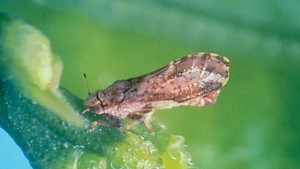
Find out how to identify this pest that is plaguing growers in the West, and how you can control it.
Two researchers in the East discuss which pests cause the most damage and how to keep them from taking over your crop.
Find out how to monitor and control Phytophthora fruit rot, Fusarium wilt, and bacterial fruit blotch.
University of Florida scientists believe fungi could be key to beating the red bay ambrosia beetle and laurel wilt disease.
Management tips, early warning signs, and pest biology are among topics discussed at one-day events.
Clear up any confusion regarding restricted use permits.
Codling moth and oriental fruit moth are targeted by apple and pear growers.
Producers warned to be on the lookout as scientists probe samples.
Learn how to ID, the survival and spread, as well as management methods of this vegetable pest.
Biologics company Beneficial Insectary now rearing two species in its California facility.
Methyl bromide alternative Nimitz approved for use on tomatoes, peppers, okra, eggplant, cucumber, watermelon, cantaloupe, and squash.
Penn State University research entomologist says prevention is best control option for devastating pest.
These foes can take a bite out of yields and quality.
Arysta LifeScience receives supplemental label for fungicide for The Golden State.