Crop Protection
New data show California tree nut crops head and shoulders above other specialty crops in treated acres so far in 2025.
Plants, pathogens, and…Palpatine? Learn more from genomic insights into onion center rot.
The pathogen responsible for bacterial spot of tomato is spreading rapidly around the world. A new study shows show how the pathogen is diversifying.
Cornell research presentations provide valuable insights on sustainable, integrated pest management solutions for CEA strawberry production.
The rising costs and regulatory hurdles are slowing the development of new active ingredients in crop protection.
Spider mites can take over your field “in a blink of the eye.” Learn about miticide management tips from top suppliers.
Early blight, caused by Alternaria solani, reduces potato yield and quality and is best managed with cultural practices and fungicides.
Population levels, logistical constraints influence integrated approaches toward management of gophers.
New plant diseases are becoming increasingly prevalent, requiring growers to adopt more proactive management strategies.
Arino insecticide/nematicide stops root feeding of costly below-ground pests in potatoes, onions, and other bulb and tuberous vegetables.
The year-round battle against navel orangeworm shifts from sanitation and biocontrols to spraying.
Learn more about three foliar-applied insecticides for Syngenta’s in-season insect management portfolio in the U.S.
A small degree of Botrytis infection all but guaranteed in New York strawberry fields despite even the best fungicide spray programs.
Contrary to some farmers’ beliefs, invasive parrots and parakeets are not significant agricultural pests.
A new anthracnose risk prediction model could be a big help for Michigan blueberry growers. See how it works.
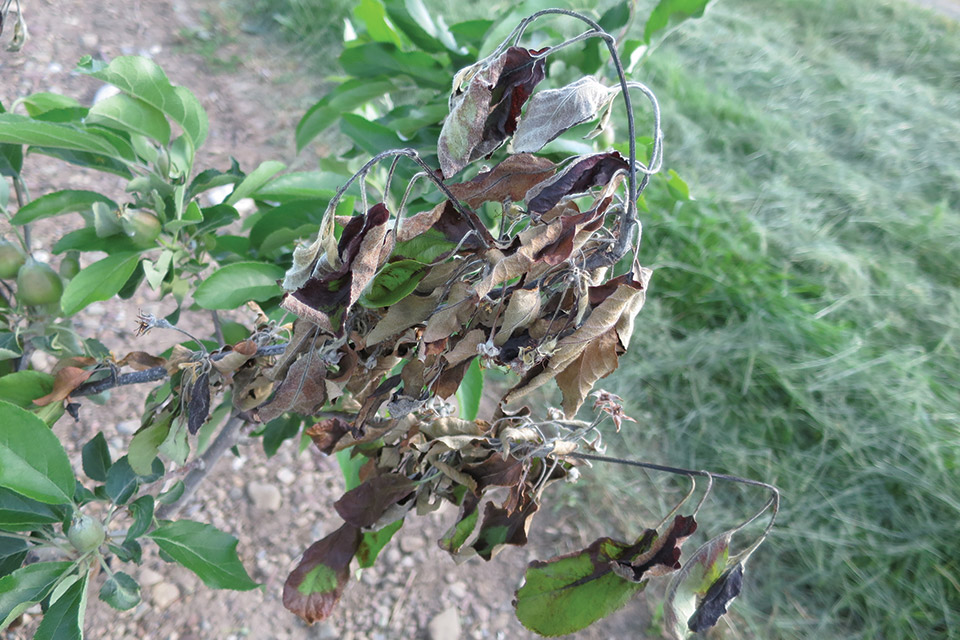
Covering your bases means covering a lot when it comes to the puzzling rapid apple-tree decline (RAtD).
No need for drastic measures when sensible integrated pest management (IPM) methods can do the job just as effectively.
Fungicides are effective, but weather and crop variety also play a key role.
New pests are emerging as serious threats to vegetable crops, requiring growers to adapt their pest management strategies.