Crop Protection
Learn how to ID, the survival and spread, as well as management methods for this disease.
University of California-Davis will host in-depth look at looming problems on May 9.
California vegetable, citrus, and tree nut growers have a new option for control of more than 100 insect and mite pests.
Disease control product from BASF controls a broad spectrum of fruit diseases.
New facility will be home to a full laboratory and apiary, serving as a learning resource for industry stakeholders.
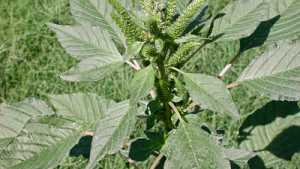
Research from BASF confirms that weed identification is an essential component to successful scouting.
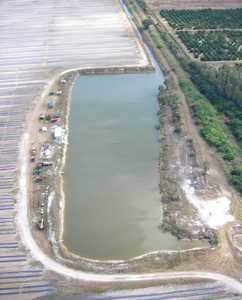
Controlling and capturing water addresses nutrient concerns.
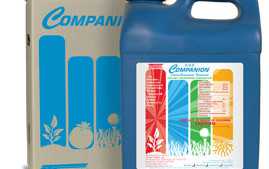
Growth Products introduces new packaging to improve protection of its Companion Biological Fungicide.
Insecticide designated for use in aphid control.
Belay insecticide cleared for control of the Asian citrus psyllid during critical growth stage.
Protection against exotic fruit flies in California and honey bee sampling for pests and diseases are two funded initiatives.
Over the past decades, with persistent efforts, scientists have succeeded in developing novel pesticide chemistries and learned how to use these chemistries to target vulnerable life stages of these foliar pests.
To control Colorado potato beetle, along with many other pests of potato, scout fields and rotate chemistries.
Despite having additional management tools, growers must pay attention to issues related to annual grass control, and a new weed to the Mid-Atlantic area: Palmer amaranth.
Farm Bill funding will help strengthen surveillance, detection, and mitigation of invasive species.
AMVAC adds Blocker 4F Fungicide to help potato growers in designated states control a variety of diseases such as common scab, Rhizoctonia stem canker, black scurf, and white mold.
When defending your fields, an ounce of prevention is worth a pound of cure.
Learn how to ID, the survival and spread, as well as management methods for this disease.
Prior to purchase, growers of the big three tree nut crops must get written recommendations from their pest control advisers for high volatile organic compound (VOC) formulations.