Crop Protection
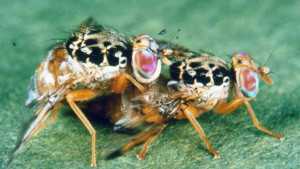
Research demonstrates attractive suitors are better biological control agents.
Collaboration includes recommendations for long-term coexistence.
Funding will be provided through the Environmental Quality Incentives Program.
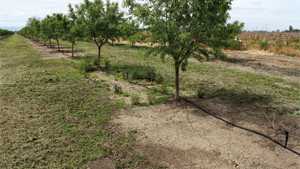
Two webinars will explain strip cultivation, an alternative to herbicides for managing weeds in orchards and vineyards.
Learn how to ID, the survival and spread, as well as management methods for this pest.
Syngenta has been pulling soil samples for phytophthora thresholds at citrus growers’ request for more than 25 years. […]
The financial support will be used to identify insect and disease problems, evaluate new varieties, and more.
USDA scientists’ findings suggest salicylic acid may help plants defend against potato purple top phytoplasma, which can be damaging to potato yields.
The company strengthens its focus on the horticultural industry though pursuing a deeper understanding of growers’ needs and offering them integrated crop solutions.
Stinging ants are easily confused with two native fire ant species in California.
Tiny pests can rob yields if left unnoticed and mismanaged.
Cover crops are a valuable cultural tool for organic growers looking to manage weeds.
Preventive practices can help dispense with bacterial spot on peppers long before it rears its ugly head.
The population of the pest eliminated in San Luis Obispo County is the 17th such eradication in California.
The brown marmorated stink bug is a looming threat for Western fruit growers. Here’s the latest on its progress.
A research team from Oregon State University is seeking out international parasitoid specialists to import and target spotted wing drosophila in the U.S.
Each new year can bring changes in pesticide laws, labels, and online options.
State registrations for the insect control products for fruit, vegetable, and citrus growers are in process.
Conference also details CSA trends and opportunities for the next generation of specialty crop growers.