Weed Control
SUPPRESS® Herbicide EC is a new broad spectrum, post-emergent tool for organic growers.
Follow these weed management tips to reduce yield loss.
Growers need to plan a multipronged attack, including cultural practices and new products.
Staying up to date on the latest crop protection products and label changes is a job in and […]
A new fact sheet is available that explores the truth behind two fallacies.
Herbicidal neglect can and will kill your crops.
Approval gives organic growers new weed management tool.
Topics to be covered include the economics of proactively managing herbicide resistance, education and outreach efforts, and incentives and regulatory initiatives.
The technology uses an air compressor to spray corncob grit on both sides of a crop, killing young weeds.
The state continues efforts to control this species that is harmful to humans.
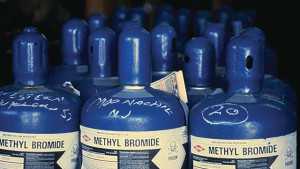
With the phase-out of the popular soil fumigant, it’s important to know you have crop protection options.
Growers look for recommendations to keep fields clean in the absence of the long-used fumigant.
Glufosinate formulation labeled for use as herbicide in Pennsylvania, West Virgina, Virginia, Maryland, and New Jersey
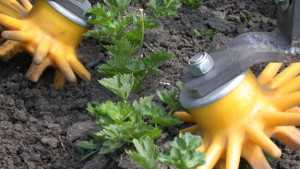
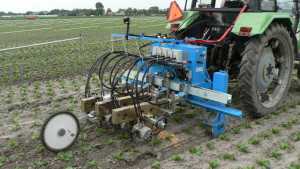
Robotic weeders using machine vision sensors have the potential to save time and labor.
Research from BASF confirms that weed identification is an essential component to successful scouting.
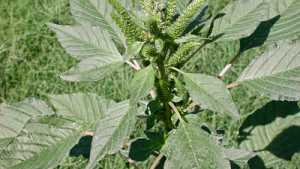
Despite having additional management tools, growers must pay attention to issues related to annual grass control, and a new weed to the Mid-Atlantic area: Palmer amaranth.

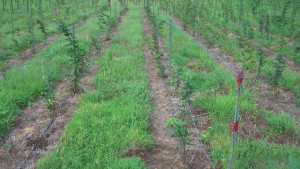
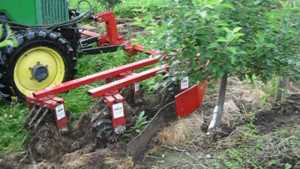
Two webinars will explain strip cultivation, an alternative to herbicides for managing weeds in orchards and vineyards.
Cover crops are a valuable cultural tool for organic growers looking to manage weeds.
To keep weeds from taking over spinach and lettuce fields, a California researcher says growers should look into a combination of choices.