Florida Newsletter
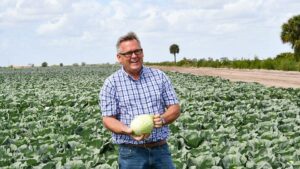
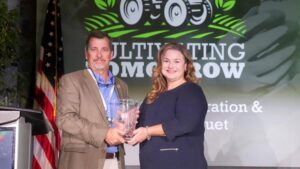
The 2021 National Grower Achievement Award winner seeks fresh answers to issues on the plates of many in the vegetable industry.
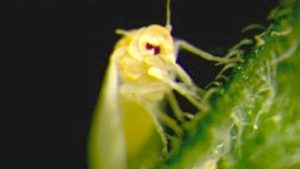
Scientists employ a combination of biopesticides and predatory mites to effectively thwart chilli thrips from carrying away your crop.
One glitch in the process that moves goods around the world has ripple effects throughout. Can computer tech aid humans in righting the ship?
The whitefly-vectored viral disease can spread quickly across fields.
See what advisors and other consultants think producers can do to be and stay successful.
Learn more about a program that provides pandemic assistance to cover certification and education expenses.
Florida Ag Commissioner Nikki Fried says farmers struggling mentally and emotionally don’t need to suffer in silence.
Florida Fruit & Vegetable Association’s Christina Morton gives a rundown of bright spots in 2021 for the organization and the produce industry in general.

For the first time ever, scientists have been able to measure the speed of a bacterium that causes the deadly disease.
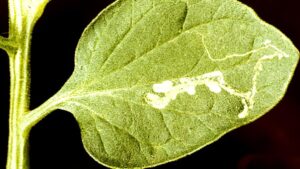
Learn how to identify, the survival and spread, as well as management methods for this food crop pest.
Find out who will be honored at the organization’s 60th celebration luncheon.
See how much USDA has adjusted its forecast for orange and grapefruit production.
This is a tough pest to manage. But there are steps you can take to protect your assets in the field.
After 2020’s record-breaking produce sales, you’d expect a correction in 2021. Instead, grocery stores are holding on to most of their sales.
Industry organization’s Board of Directors names Matt Joyner to succeed Mike Sparks as next Executive VP/CEO.
Farmers are having difficulty sourcing products they need to grow and delivering what they have grown.
Tri-County Agricultural Area operation saving thousands of gallons of water daily. Learn how they do it.
Who is king of growing, harvesting, and supplying the nation’s specialty crops? Some of the figures might surprise you.
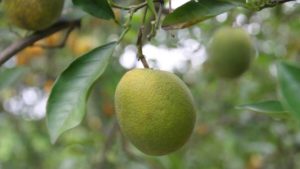
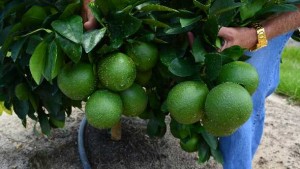
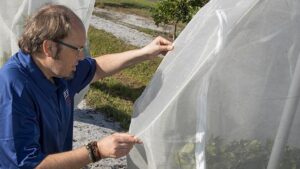
Learn more about new research that shows citrus trees grown under individual protective covers (IPCs) show no signs of HLB.