Florida Newsletter
Unique product to be available for crops including strawberries, blueberries, and almonds. Find out how it works.
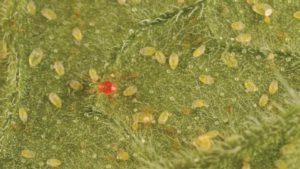
Learn how to identify, the survival and spread, as well as management methods for this plant pest.
Deep-rooted UF/IFAS fruit breeding program in Gainesville continues to lay the groundwork for valuable variety research and development.
One knock to using beneficial bugs to control plant pests is the manpower to disperse them in the field — but modern tech may provide a solution.
Legislation helps move the needle on licensed acres to the tune of 455% increase over the last year. But how much of that will make it into the ground?
North Carolina State University researchers explored the costs and potential revenue that you could potentially generate from selling unharvested produce. Here’s what they found.
If you haven’t yet had the pleasure of a FDA inspector calling at the farm gate, there’s still time to get all your ducks in a row.
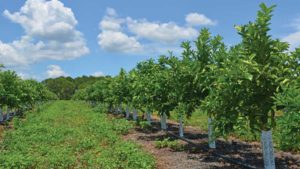
A 908 trees-per-acre grove is being grown in Florida and groomed with mechanical harvest in mind.
See how predatory insects are helping protect crops the natural way.
From sweet bells to sizzling habaneros, these peppers have a lot to offer vegetable growers.
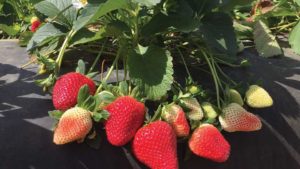
Genetic modification gets all the attention, but Florida strawberry breeders are incorporating innovative techniques into traditional plant breeding with great success.
Longtime UF/IFAS Vegetable Extension Agent Gene McAvoy is retiring, but his work in the field is far from over.
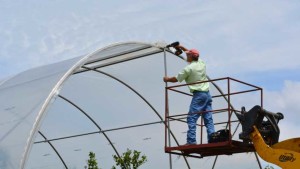
USDA’s Natural Resource Conservation Service offers financial and technical assistance for growers interested in adding protected agriculture to their operation.
Extra early orange crop outlook indicates modest, yet steady increase ahead for the 2019-2020 campaign.
Commerce Department commits to strong enforcement of trade law.
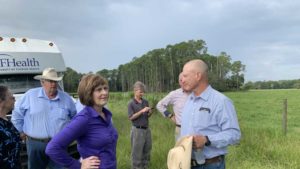
U.S. Representative Kathy Castor sees firsthand ecosystem services being provided on the farm.
Unprecedented warmth across the globe continues trend, contributes to historic polar ice loss.
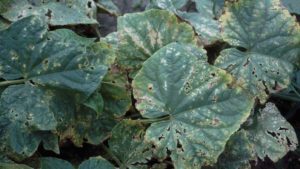
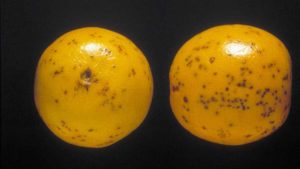
Learn how to identify, the survival and spread, as well as management methods for this plant disease.
Latest quarantine expansion marks first time the fungal disease has been detected on a residential property since it was first found in the Sunshine State nearly a decade ago.