Apples & Pears
Research scientist with University of Minnesota reported how the 2013 growing season and subsequent winter affected the state’s apple crop.
Washington grower sends new variety to the International Space Station.
Bakersfield, CA, company works with federal and state officials to determine source of listeriosis-associated outbreak.
Research shows a mix of traps, monitoring, and insecticides can help Eastern peach growers keep brown marmorated stink bug in check.
Win’s posts, like this one, share the flavor of growing fruit in Italy, as well as some of the production techniques unique to the region.
Strategic planting, understanding the soil, and projecting profits are among the reasons John Chapman was a true apple grower.
Outreach abuzz with with many fruitful efforts to connect with apple consumers.
Winner presented painting at Washington State Horticultural Association’s 110th annual meeting in December.
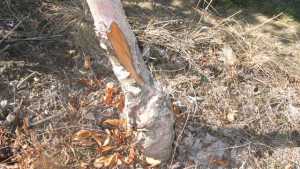
But it’s too early to tell if well-below-normal temperatures will increase tree mortality.
Record-setting crowd sat in on presentations featuring precision orchard management, mechanical berry harvesters, biocontrols, and more.
More than 1,600 attend; banquet attendance is up by nearly 100.
Trade organization surpasses follower milestone with social media programs created to deepen online engagement with consumers.
Washington’s Stemilt shows that apples are a big part of the produce department.
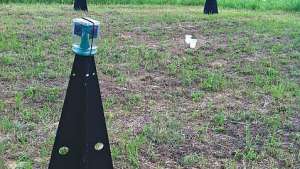
Automated randomized laser system configured to keep birds away.
Codling moth and oriental fruit moth are targeted by apple and pear growers.
Attention to detail is evident in the production of high quality feathered apple trees at GRIBA’s nursery.
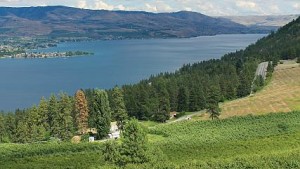
Win Cowgill of Rutgers University details a trip through the one of the most concentrated fruit growing areas in the world, the South Tyrol region of Italy.

Penn State University research entomologist says prevention is best control option for devastating pest.
Demand growing as researchers explore the possibilities of mechanical harvesting.