Fruits
Modern agriculture might not be for everyone, but it’s here to stay. Embrace it.
Projects focus on colony losses, pollinator habitats, and increase pollinator populations.
Phytelligence secures $6.95 million in new funding, opens door for new round of funding.
Governor approves Pierce’s Disease Control Program money for the first time since 2011.
This moth has many characteristics that have allowed it to adapt and thrive in many peach and nectarine growing regions.
Deadline for proposals is July 31.
In one month’s time, parts of the Sunshine State have gone from water shortage warnings to a high-water emergencies.
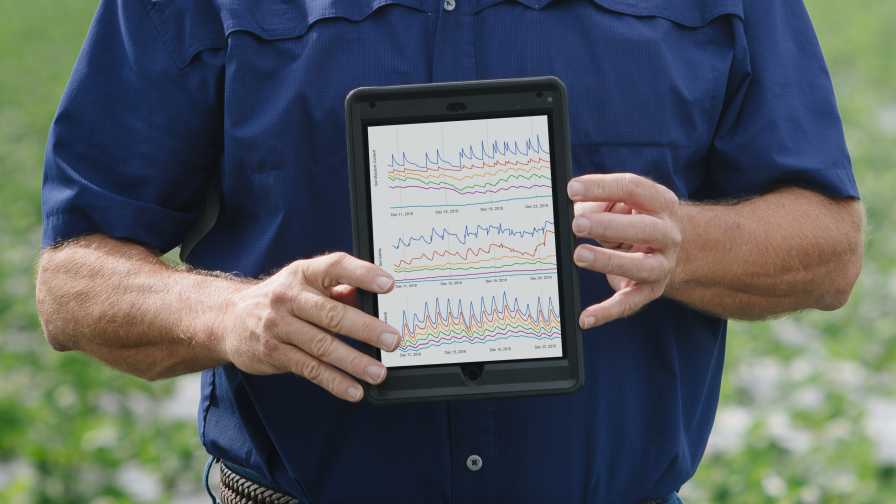
One problem with many agricultural technology start up companies is that no one on staff has a farming background. That’s easy enough to fix. Volunteer your expertise.
Innovation and technology start with growers working with their peers and manufacturers.
Floyd Zaiger’s innovative lab extends to the orchard, where he and his kids’ crosses produce some of the world’s most fabulous fruit.
Strategies and technology can help you mitigate the trials of the growing seasons.
While warming trend has been a part of past few seasons, the vineyard is incorporating new technologies to grape growing versus altering production techniques.
The warming temperatures in the Pacific Northwest are well-suited for red winegrape production, but other changes in viticulture practices must be made.

Berry industry revolutionized thanks to the introduction of low-chill varieties.
As the adage goes, “ability is availability” as so it goes for water.
With the help of five-year, $5 million USDA grant, stakeholders will learn what it takes to better preserve precious resource.
Researchers at Michigan State University test organic controls for fire blight.
Doctoral candidate recognized by American Society of Enology and Viticulture for work studying sour rot pathogens.
Contest to name cold-tolerant variety a seedless ‘Concord’-type berry runs through July 31.