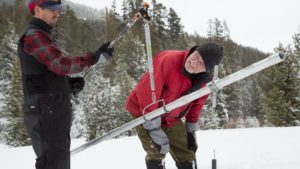
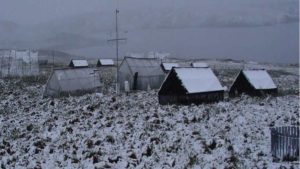
The January 3 measurement was disheartening, but a big, fat blanket of snow fell during the following week, and the state’s biggest reservoirs have levels well above average.
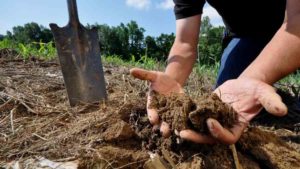
The tool allows users to connect soil health problems, management actions, and desired outcomes with research addressing a user’s particular situation.
Members of American Fruit Grower and Western Fruit Grower magazines’ Editorial Advisory Board share their thoughts on how things might be shaping up in 2017.






![Let’s Celebrate You — the American Fruit Grower [Opinion]](https://s3.amazonaws.com/files.growingproduce.com/growingproduce/wp-content/uploads/2016/12/American-Fruit-Grower-bumper-sticker-300x169.jpg)
![Fruit’s Future is so Bright, I Gotta Wear Shades [Opinion]](https://s3.amazonaws.com/files.growingproduce.com/growingproduce/wp-content/uploads/2016/12/Christina-Herrick-wearing-shades-300x169.jpg)
![Are Today’s Agriculture Regulations Ripe for Reform? [Opinion]](https://s3.amazonaws.com/files.growingproduce.com/growingproduce/wp-content/uploads/2016/08/Trump-in-Iowa-GP-Feature-300x169.jpg)